Xia Song’s note on the Microsoft community hub, dated 20 November, says Sol is rolling out to eligible users in Copilot Chat, Cowork, Studio, and Copilot in Excel, PowerPoint and Word. Astra goes to Cowork and Studio, and to Chat and those Office apps for what the note calls Frontier users. Work IQ is the grounding layer. The note does not print a price, and it says availability may vary by region and organization.
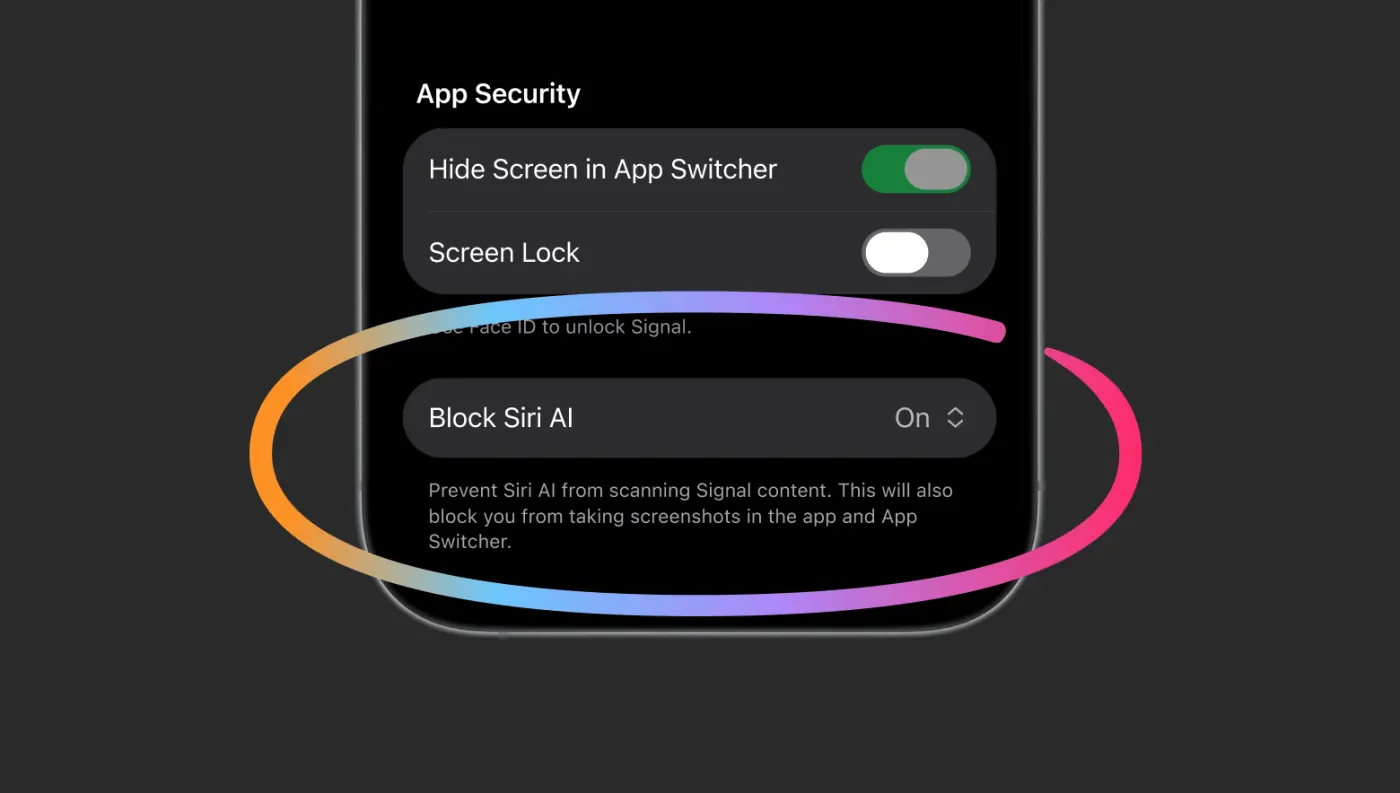
Meredith Whittaker’s post, dated 20 November, says Signal will prevent screenshots in the app on iOS 27. On Android the footnote is narrower: Screen security turns on when Signal detects an assistant, and many non-Pixel builds cannot reliably show that a screenshot was even attempted. macOS is not covered. Reuters says the blocks default on, with a pop-up to turn them off, and describes an earlier case in which Meta’s Muse read Signal chats through accessibility permissions. Apple, Google and Microsoft had not commented.
Lucia Loher and Nora Kassner’s post is dated 19 November. Tool Retrieval is a preview in the Interactions API: deferred tools keep a name and a description in the prompt, and the parameter schema loads only when the model requests it, inside the same call. The blog post says there is no separate charge. The pricing page says each server-side search is an extra model call, billed as input tokens. The fixed block of tokens is not given a size.
Greg Bensinger’s Reuters story, carried in full by CNA and updated there at 1:28 a.m. Singapore on Saturday, is a PR/FAQ, not a launch. The document names a crawl of other retailers and 83 million Rufus searches a week. Amazon says Alexa for Shopping is about 97 percent accurate, and that the memo is a brainstorm.
Sarah Perez’s TechCrunch story is timestamped 2:22 p.m. Pacific on Thursday. Alexandr Wang’s post says the feature is out to paid subscribers in the United States. The $20 plan is 500 million tokens a week. The $100 plan is 3 billion tokens, and that sentence does not repeat the week.
Matthew Goldberg’s post, dated 11 November, puts the emulator under a CC0 licence and says three teams of agents test, file and fix it. Swaminathan Sivasubramanian’s guest post the same day says the release covers more than 200 services, and that a person built the runner the agents work inside.
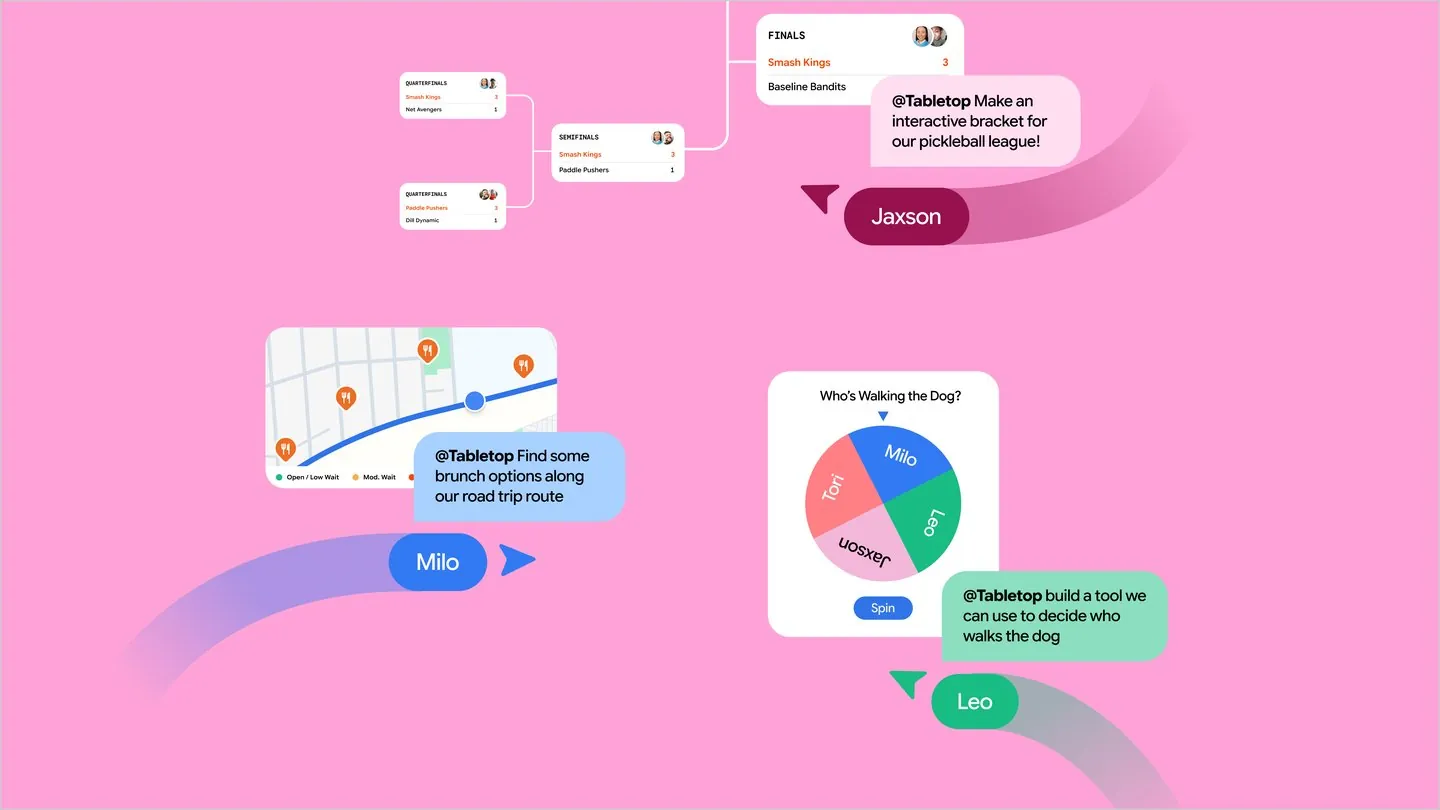
Roman Nurik’s Wednesday post says a group can generate a trip sheet, a poll, a splitter, or a bracket and then edit it together. Jess Weatherbed at The Verge, at 4:00 p.m. UTC, notes that the age line is 18.
Mia Sato at The Verge, at 4:20 p.m. UTC, writes that a reader’s watch digest failed over the weekend and that the newsroom reproduced it. Spokesperson Sybille St. Arromand says agent access is restricted “in certain cases,” and does not answer the direct question.
The company’s Tuesday post says the summaries reach U.S. users over the next few weeks, on about 10,000 products, and that a business cannot pay to be included. Sarah Perez writes that it is rolling out to all U.S. users, and that a February test covered video games the launch list leaves out.
Monday’s post says companies can buy and manage the enterprise plan through the AWS account they already use, and can apply eligible spend toward AWS commitments. The bundle named in the post is ChatGPT, ChatGPT Work, Codex, and dots. Healthcare and financial-services versions are available to eligible customers the same way. The post does not print a price.
The company’s Monday post does not list the signals, publish an error rate, or give a dollar figure for the August settlements. TechCrunch describes birthday posts, school grades and bone structure. The Verge and TechCrunch disagree on the settlement sum, and on when U.S. parents are notified.
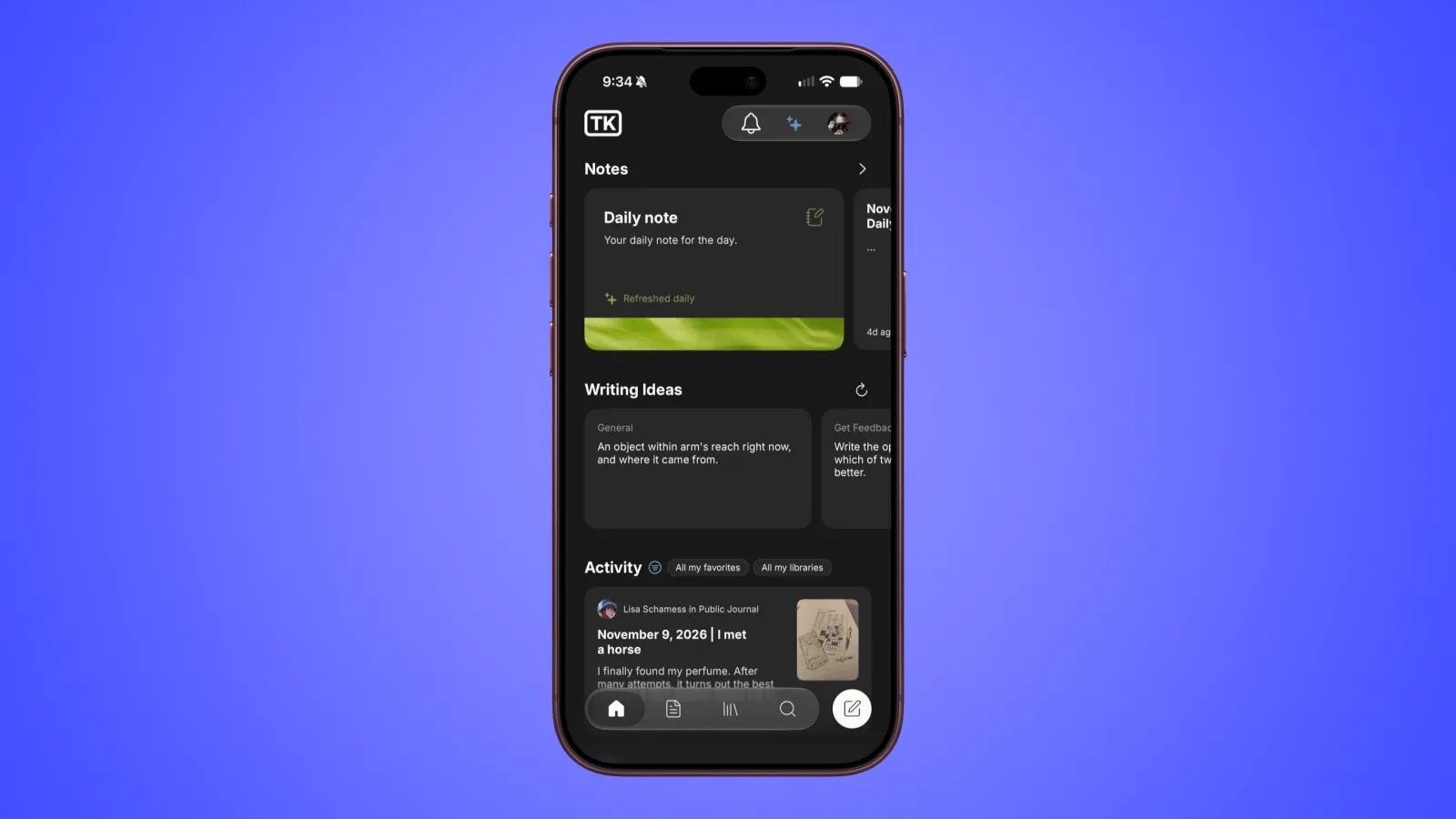
Tony Stubblebine’s post says a Medium account is enough, that no AI company trains on the writing without permission, and that an MCP server and a Claude skill can read the notebook. TechCrunch reports the notes are not encrypted. The Verge and TechCrunch disagree on whether the phone apps are in the launch.
Variety reported the filings on Saturday. The Verge’s account landed Sunday evening. The Presley complaint, 51 pages in the Northern District of California, cites Tennessee’s ELVIS Act and songs that mirror his voice. Eight Mile Style says Suno generates tracks that mirror Eminem’s. Eminem is not a plaintiff. Suno says it blocks prompts that name artists. CourtListener lists Elvis Presley Enterprises, LLC v. Suno, Inc., filed 6 November.
Joanna Partridge’s Guardian report, published Sunday, quotes a Labour MP’s caseworker who says half her office’s email is some form of AI. Lawyers in Local Government say the typical complaint has gone from about two pages to ten times that. Transport for London logged a record 4,769 freedom-of-information requests in 2025–26. The information commissioner says an AI-drafted request still has to be answered.
Sam Saccone and Madhuri Garikapati, in a Friday post, say 13% of file-reading sessions exposed an internal agent to a TODO or FIXME with a bug id. In 6% of those encounters the agent acted on the id, and 83% of those actions were unprompted. After controls, those detours came with 70% more steps, 77% more tokens and 105% more wait time. A cleaner has deleted thousands of stale references in six months, with reviewer acceptance above 95%.
A changelog entry dated 6 November says a teammate plans ongoing work and is available on the web with a Max subscription. The same entry adds a fully local Computer mode on Apple-silicon Macs, for Pro, Max and Enterprise, and a voice mode that runs on OpenAI’s gpt-live-1. The help center calls teammates a research preview and says Enterprise plans are not in it by default.
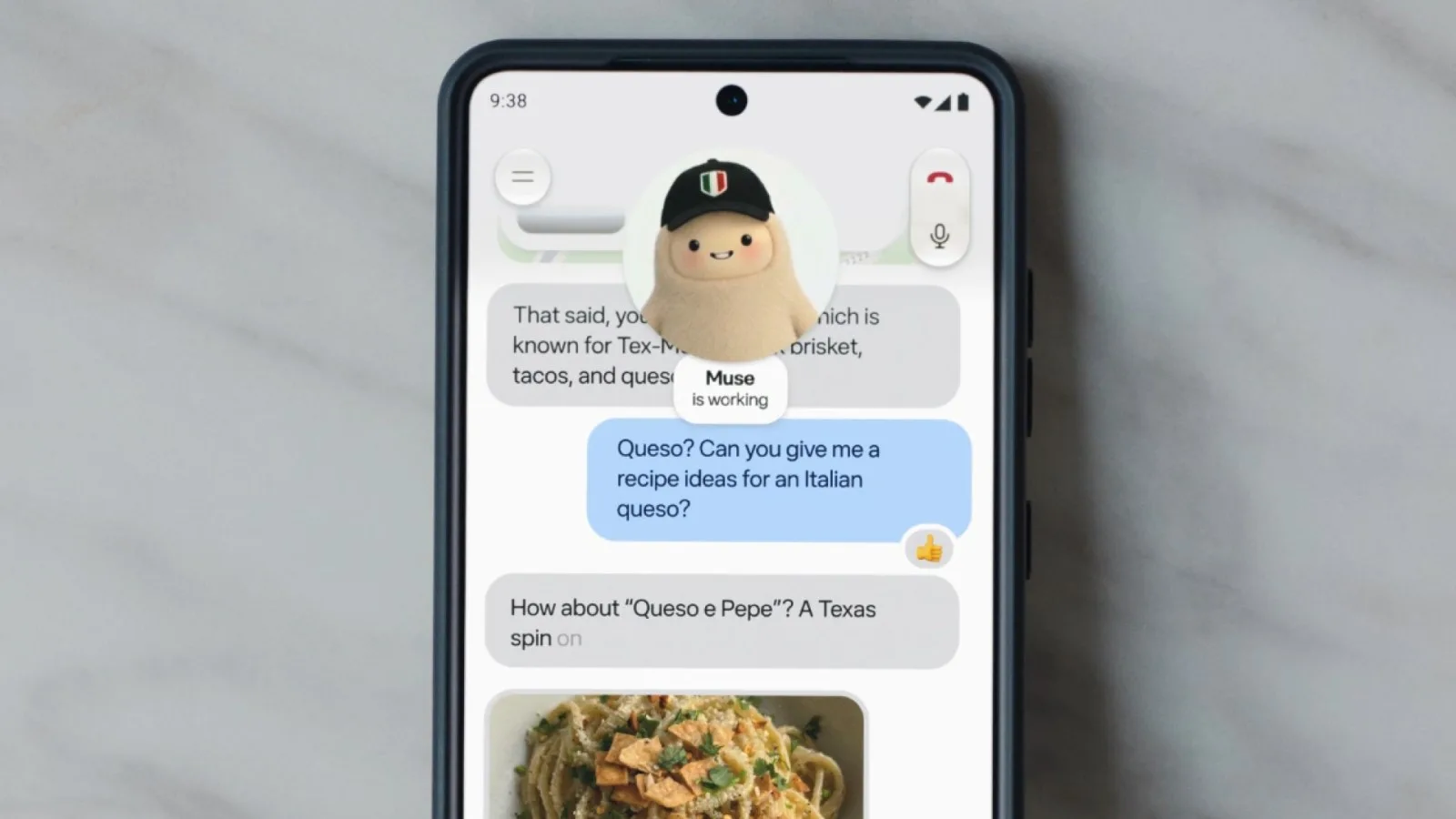
The company’s post on Thursday says people in the United States can talk to Muse in the app on mobile, web, and Mac, interrupt it, and pick among hundreds of voices. The avatar can sit beside the chat or fill the screen. TechCrunch says the feature is available to everyone in the US and that Muse hears the user and does not see them.
A Google Cloud post dated Thursday describes one aggregate function that batches text or files, calls Gemini, and reduces the answers to a string per GROUP BY. A row over 10 MiB is dropped or errors. Output is capped at 10,000 tokens a group. Google recommends no more than 20 million rows and 1,000 groups in a query.
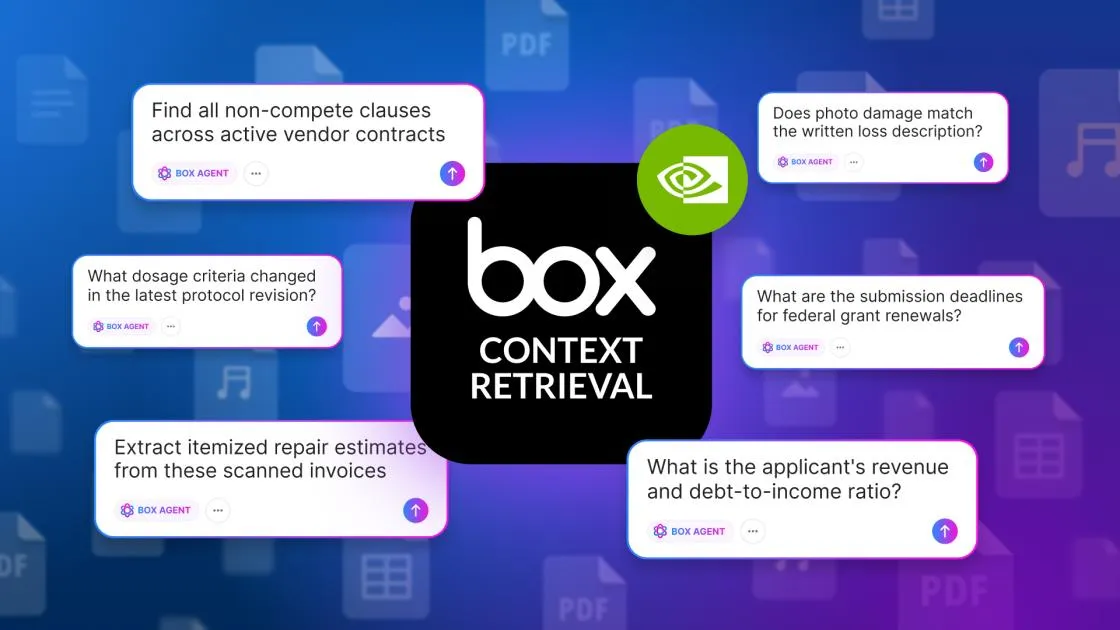
Box Context Retrieval, announced Thursday at BoxWorks, is promised to Enterprise Advanced customers early next year. The release states a 20 percent gain on Recall@5 and answers four times as fast. TechCrunch calls the product Content Retrieval and quotes a 20 percent drop in errors.
TechCrunch on Thursday says Artist Pro subscribers get three months of ElevenMusic Pro, up to 1,000 songs a month, and that ElevenLabs has counted more than 25 million tracks. The Verge adds that the posts are marked as coming from ElevenLabs, and that the pipe runs one way.
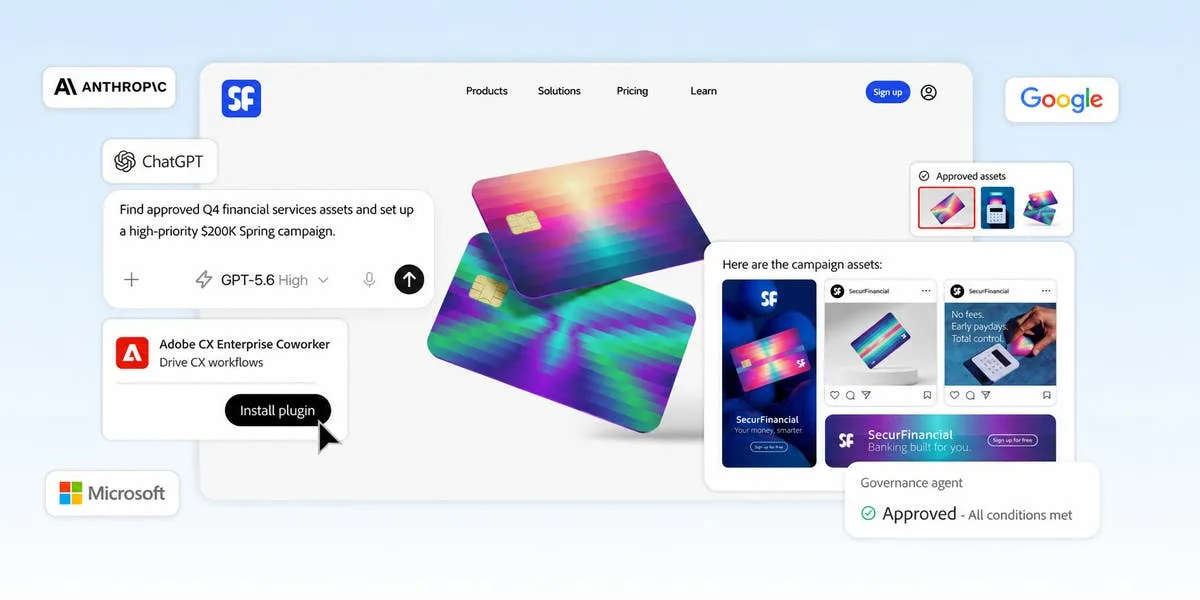
A release timestamped 6:00 a.m. Wednesday, with no time zone on the page, says CX Enterprise Coworker now runs in those tools and in Databricks Genie, over MCP. The same day’s setup guide calls the platform replies read-only, and says the Firefly image skill is absent in Claude.
On Wednesday’s call, Balaji Krishnamurthy set those counts next to about 320 million Uber and Uber Eats trips in Halloween week. The transcript does not say whether the agent figures are that week or a running total. The Verge reads the four rides as the quarter.
Two releases dated Tuesday, from Austin and Fal.Con Europe in Barcelona, put Fiddler on the Falcon platform as Falcon Observe and Dreadnode’s tests into Falcon Guardian. TechCrunch, citing The Wall Street Journal, puts the prices at about $400 million and about $95 million. Neither deal has closed.
A developer note dated Monday adds two questions to App Store Connect on 16 November. Dating and relationship features, including a virtual companion, carry a minimum rating of 18+. Every app must answer by 12 January 2027. In Brazil the location question maps to an A16 rating, with an appeal for family apps.
The store’s account said so on Bluesky overnight. The quality guidelines, which already treat mass-produced AI pages as spam, do not ban generative AI that is disclosed and useful. Polygon writes that 54.6 percent of games added to Steam in October carried an AI disclosure.
Release notes dated 2 November put the Messages API feature in beta. A coding agent sends the conversation once, then only the new turn. Token prices do not change. A thread expires after five minutes of silence and is not eligible for zero data retention or HIPAA.
The help center says Business and Enterprise workspaces that already exist move on 2 November. New ones moved on 19 October. Each member gets 1,500 Standard credits, for when Notion picks the model, and 500 Select credits, for a model the person picks or for a Custom Agent. The balances do not roll over, and they do not move between people.
Reuters, in a story dated Friday, says the modified extension was on Cursor’s marketplace from about 2:27 a.m. to 1:35 p.m. Pacific on Thursday, and that Anthropic did not develop it. Cursor says a step toward remote access would have failed on most machines because it needs administrator rights. The Register later quoted an Anthropic engineer saying the company’s own systems were not compromised.
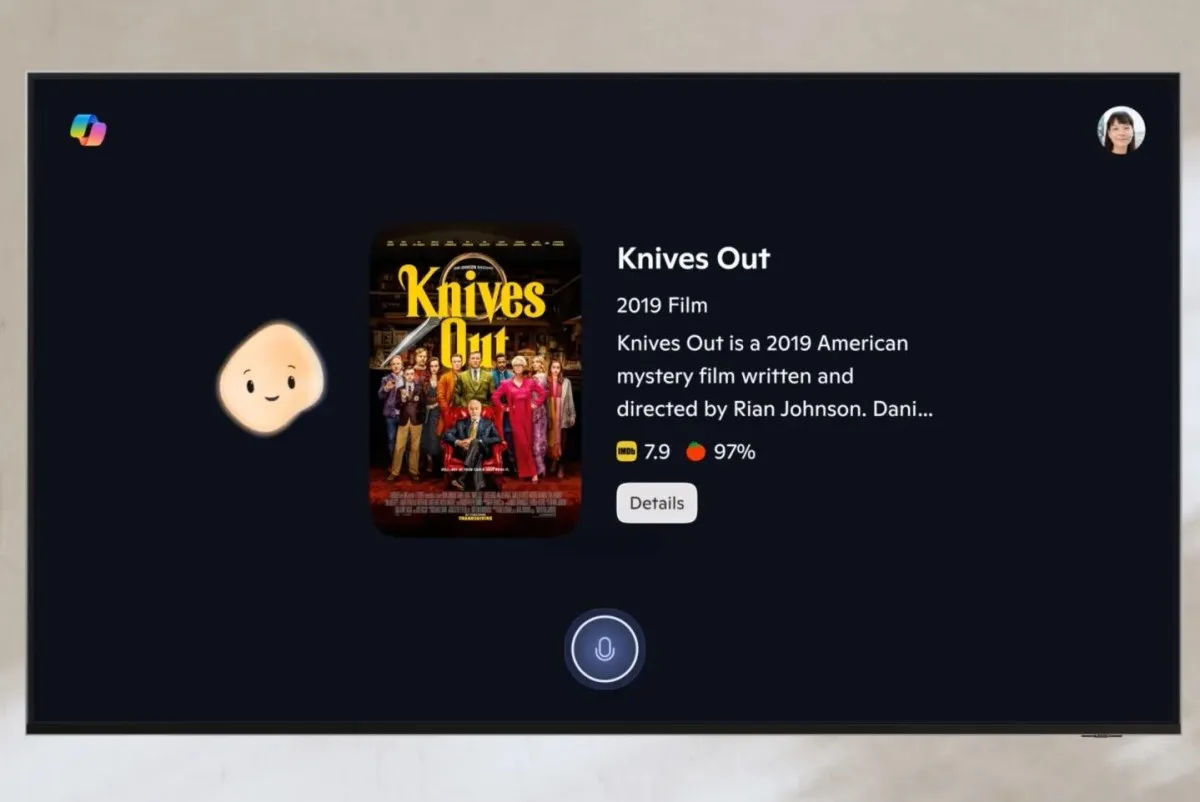
An on-screen notice on an LG set, reported by Windows Central and The Verge on Wednesday, said Copilot on televisions would stop during 2026 and did not name a day. Microsoft’s own support page now does: Samsung and LG TVs lose the feature on 1 December. The page says Copilot remains on the web, on desktop, and on mobile.
Monday’s post: deep scans in Devin Security now run on Claude Mythos and other frontier cyber models, without a separate contract for those models. Current and future enterprise customers are offered free scans. New customers can also get remediation credits. Cognition does not say how the credits are split, or which Mythos version is in the scan.
Monday’s release: $22.5 billion of Class A shares through forward sales, and about $12.5 billion of mandatory-convertible depositary shares. Nvidia, AMD, and Broadcom have indicated interest in up to $5 billion of the common stock. That interest is not a commitment. The further $60 billion at-the-market plan waits on Class C trading, which Meta expects in the first quarter of 2027, and the company says there is no agreement yet.
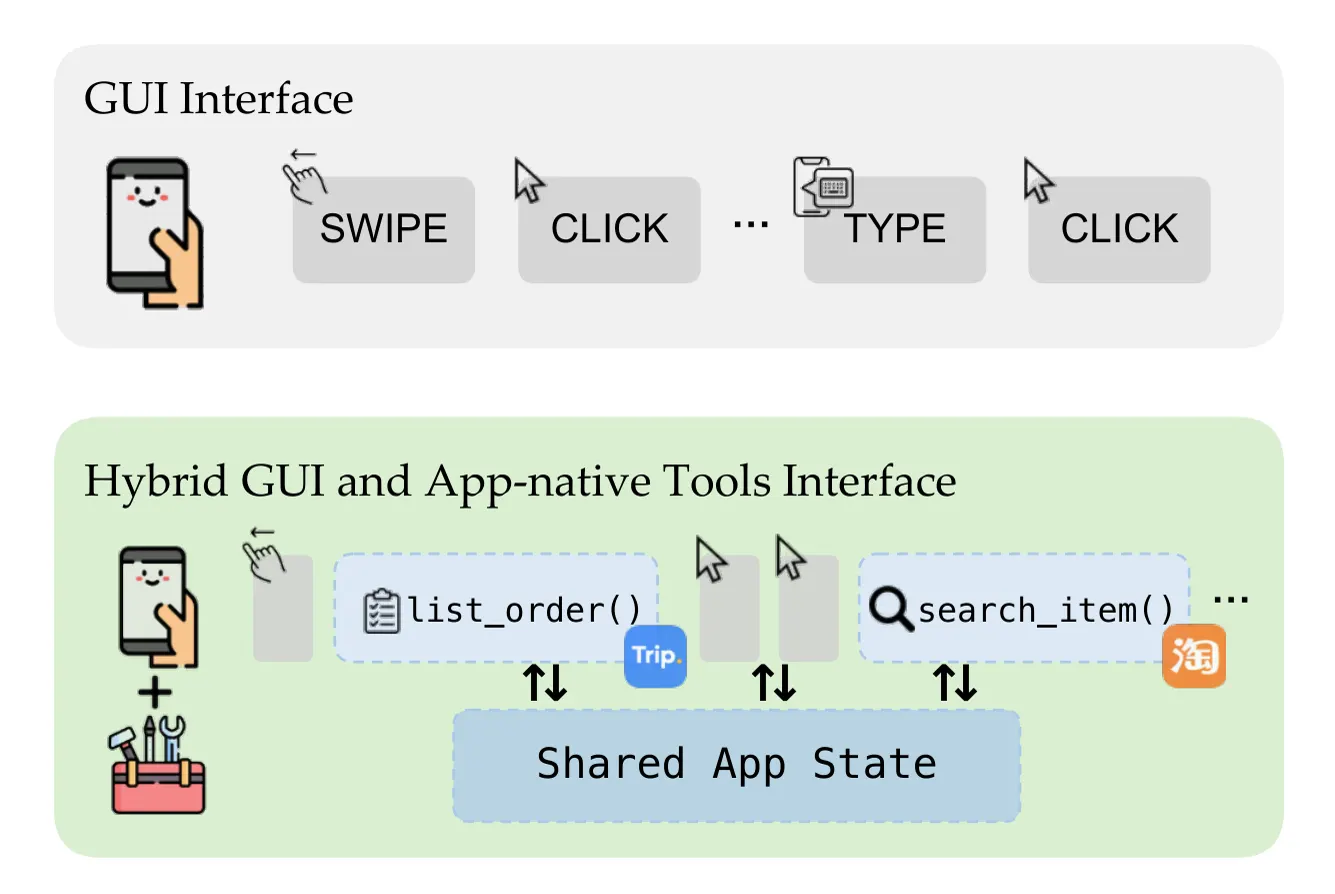
A 9 October paper from Nanjing University, SenseTime, and others, written up by The Decoder on Sunday: more than 110 practice apps, nearly 12,000 demonstrations taught by Gemini 3.1 Pro, and a 27B model that reaches 79.9 on AndroidWorld. Reinforcement learning raised the real-device score and did not raise AndroidWorld. The weights and the gym are open. The scores are the authors’.
Sveriges Radio, on Friday: the block starts Monday, and staff are pointed to Microsoft Copilot, whose security settings were raised after a review the press office will not describe. An email to SVT dates the block to 26 October and limits it to the browser. Inside a platform the offices built, called Intric in that email, the same models stay available. A sentence English-language accounts have given to the digitalisation director is, in the radio story, a quotation from the transport agency.
Sara Fischer at Axios, Friday: a spokesperson confirmed the deal for the analytics startup Julie Zhuo and Chandra Narayanan founded after leaving Meta. Narayanan will lead data-analytics tooling and agents inside the unit Alex Schultz has run since July. Sundial stops serving outside customers when the deal closes. Axios does not report a price.
Pony.ai’s release, 12:30 a.m. Eastern on Friday: an MOU to evaluate Level 4-ready vehicles on inDrive in Kazakhstan, using Gen-7 robotaxis and Nvidia’s Hyperion, Alpamayo and Halos stack. A launch still needs the government. inDrive’s CTO told TechCrunch the Astana tests are aimed at the first half of 2027, with a safety operator at first.
San Jose, Thursday: the Agentic AI Foundation said it is taking Agent Skills from Anthropic, Open Responses from OpenAI, OpenEnv from Hugging Face and OpenSandbox from Alibaba. That brings the foundation to 10 projects, from three at its launch in December 2025. Anthropic says more than 70 products, including ChatGPT, Cursor, GitHub Copilot and VS Code, already load skills, and that 1 million skills have been published.
TechCrunch, 9:00 a.m. Pacific on Thursday: Uber told the site its whole workforce will use the agent, up from a pilot of 1,000. OpenAI’s post the same day says more than 30,000 people, with GPT-6.1 Sol as the default, and connections to Drive, Gmail, Calendar and Slack. Engineers keep Codex. Uber’s engineering vice president said about 80 percent of the early users were not engineers, and that the company has not disclosed what it is spending.
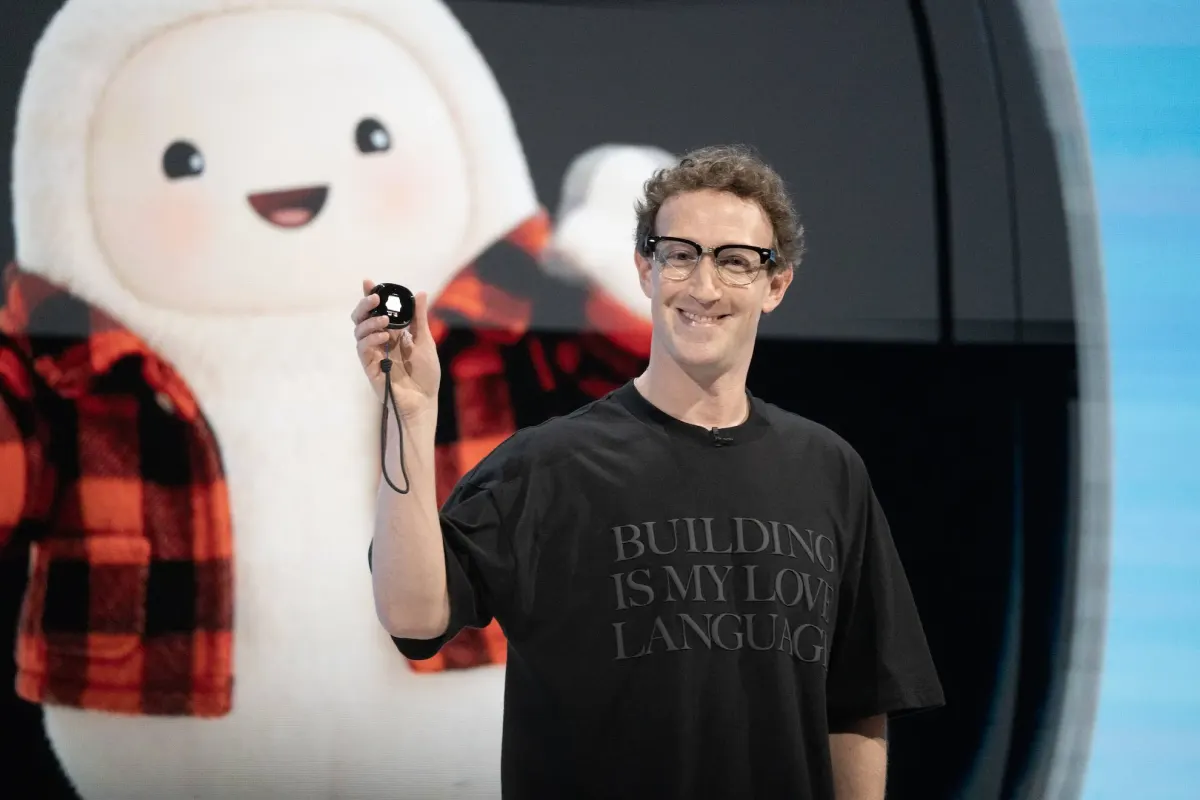
Bloomberg, Thursday: the filing shows $825 billion in future spending commitments. Quartz, reading the same quarter, prints $355.73 billion of leases not yet started and $454.52 billion of non-cancelable contracts. Wednesday’s results remain the base: revenue $64.60 billion, up 26 percent, and operating income $12.99 billion, down 37 percent, after a $9.89 billion legal charge. On the call, Mark Zuckerberg said more than 10 million people in the US and Canada had set up Muse.
ElevenLabs, Tuesday: Eleven Realtime v1 Mini and v1 Max cover 90 languages and the company’s voice library. On Big Bench Audio, as ElevenLabs reports Artificial Analysis, Max answered 98.8 percent and Mini 75.9 percent. Mistral’s Voxtral 3, the same day, is a LiveKit pipeline: a transcriber, a separate reasoning model, and a text-to-speech model, at 4 cents a minute with Mistral Small 4, or on your own machines.
Kate Rooney, CNBC, Tuesday: the company told her a round led by Altimeter, Accel and Khosla values Arda at $1.5 billion. McGrew, OpenAI’s former research chief, says the product is an agent for manufacturing engineers, and that the models are already in use at Anduril. In March the Wall Street Journal reported a raise, then unclosed, of $70 million at a $700 million valuation.
Two Microsoft posts on Monday extend Project Perception from outside attacks to agents a company has deployed itself. Nadim Abdo describes Dynamic Permissions, a moving risk score, and conditional access that can keep reads, block writes, demand approval, or stop the agent. Todd Bishop at GeekWire: the tools sit in Microsoft 365 E7, in private preview, with a wider release aimed at Ignite on 17–19 November. E7, he writes, is $99 a user a month.
Emma Roth at The Verge on Saturday: users of Muse, Grok, Dots and Instinct are hitting blocks, and the companies are starting to say so on the record. Delta has no partnership that lets an outside agent book a flight. Yelp allows non-human traffic only through a paid data license. JPMorgan will not let a third party log in with a customer’s credentials. Amazon is already keeping Meta’s Muse off its store. Charles Schwab, Roth reported, has confirmed a block of its own.
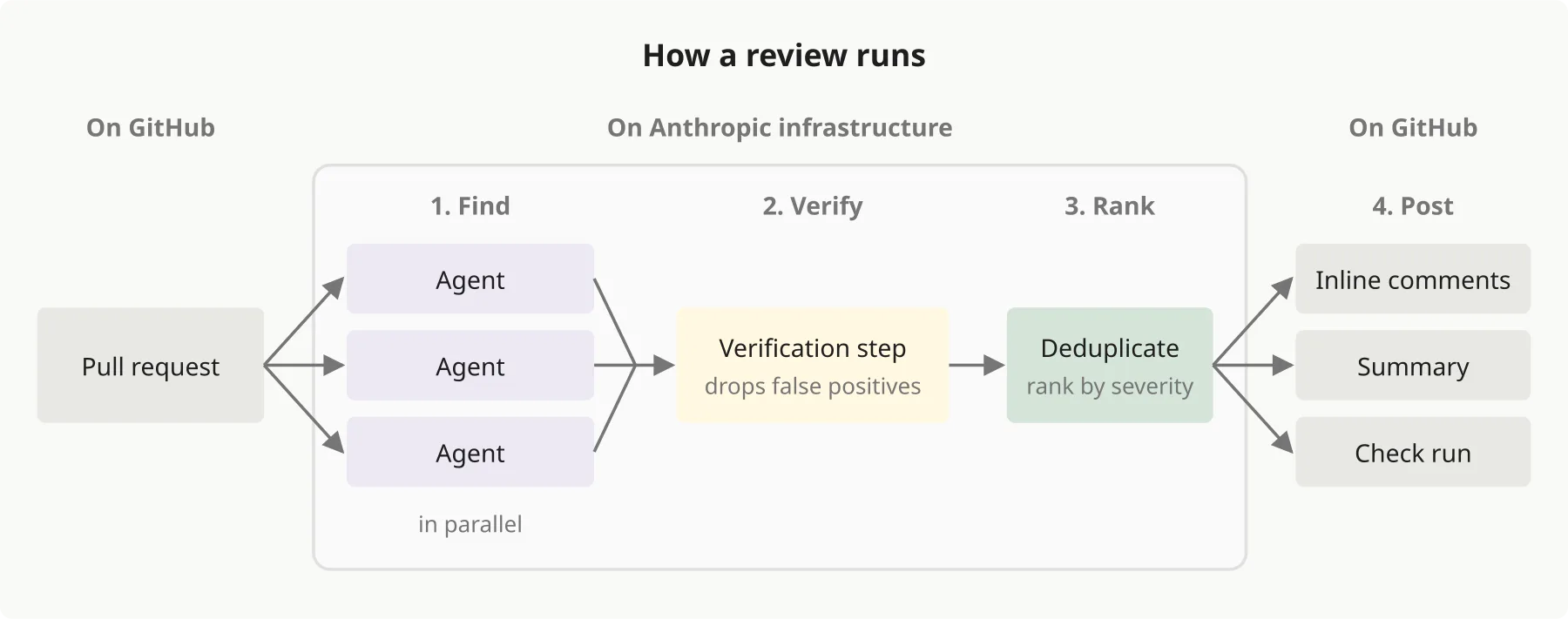
Addy Osmani, Morgan Westlee Lunt and Qing Wang, on 15 October: from June to September, merged pull requests on Claude Code more than doubled, and the share that had to be reverted fell by more than 40 percent. The post gives no base rate. A separate figure, for Anthropic’s monorepo, is about 2,500 changes a day in May and more than 30,000 in September. Code Review, the public version, is generally available on Team and Enterprise. It comments. It does not approve.
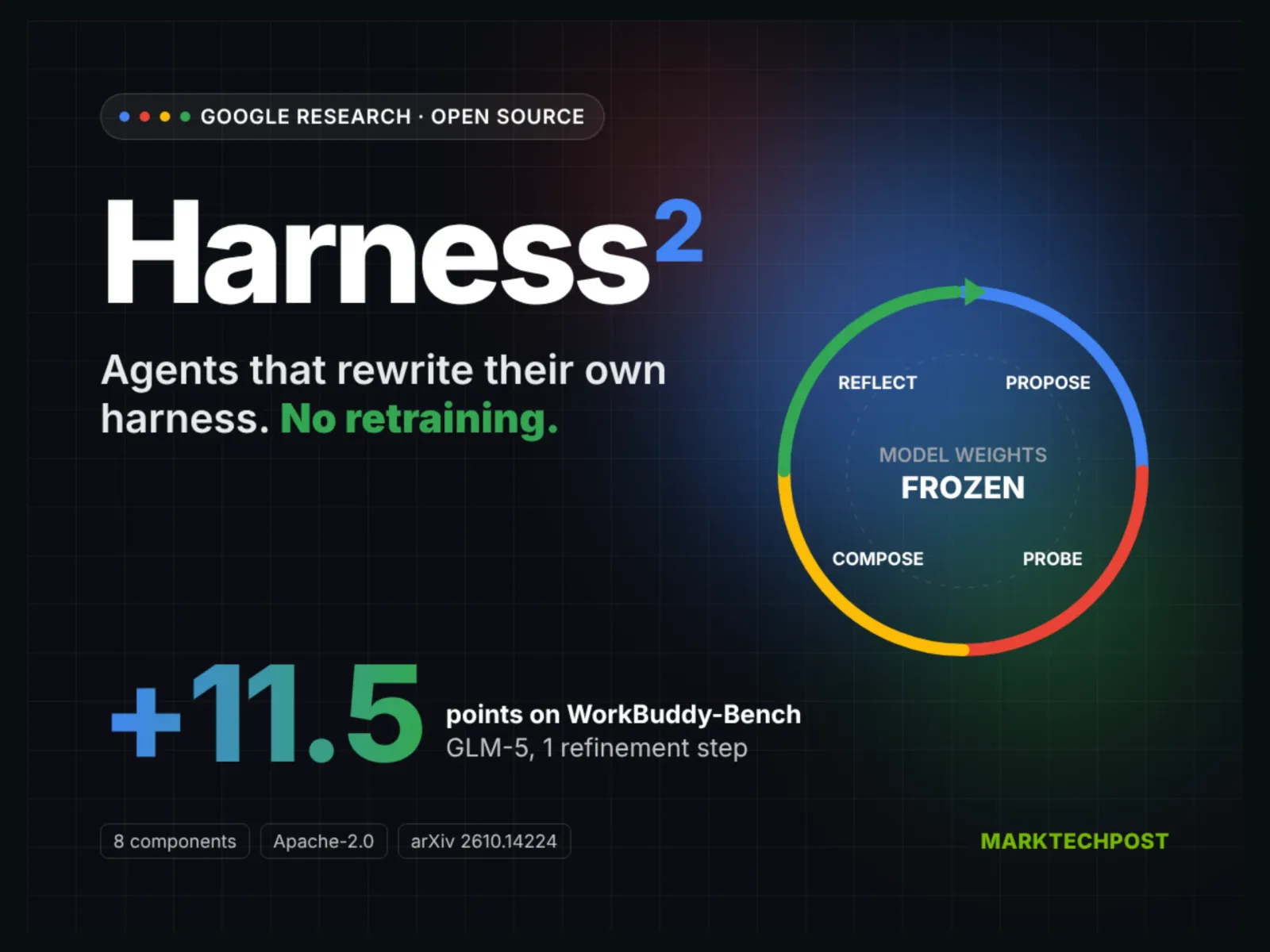
Harness², Apache-2.0 on GitHub, rewrites prompts, tools, memory and skills around a model whose weights do not change. The method is Propose–Probe–Compose, with no ground-truth verifier. A preprint submitted 9 October, and written up by MarkTechPost on Sunday, reports gains of up to 11.5 points on WorkBuddy-Bench, 4.5 on JobBench and 11.8 percentage points on LAB Partial. The largest WorkBuddy move is GLM-5 under OpenCode, 64.2 to 75.7. The repository says this is not an officially supported Google product.
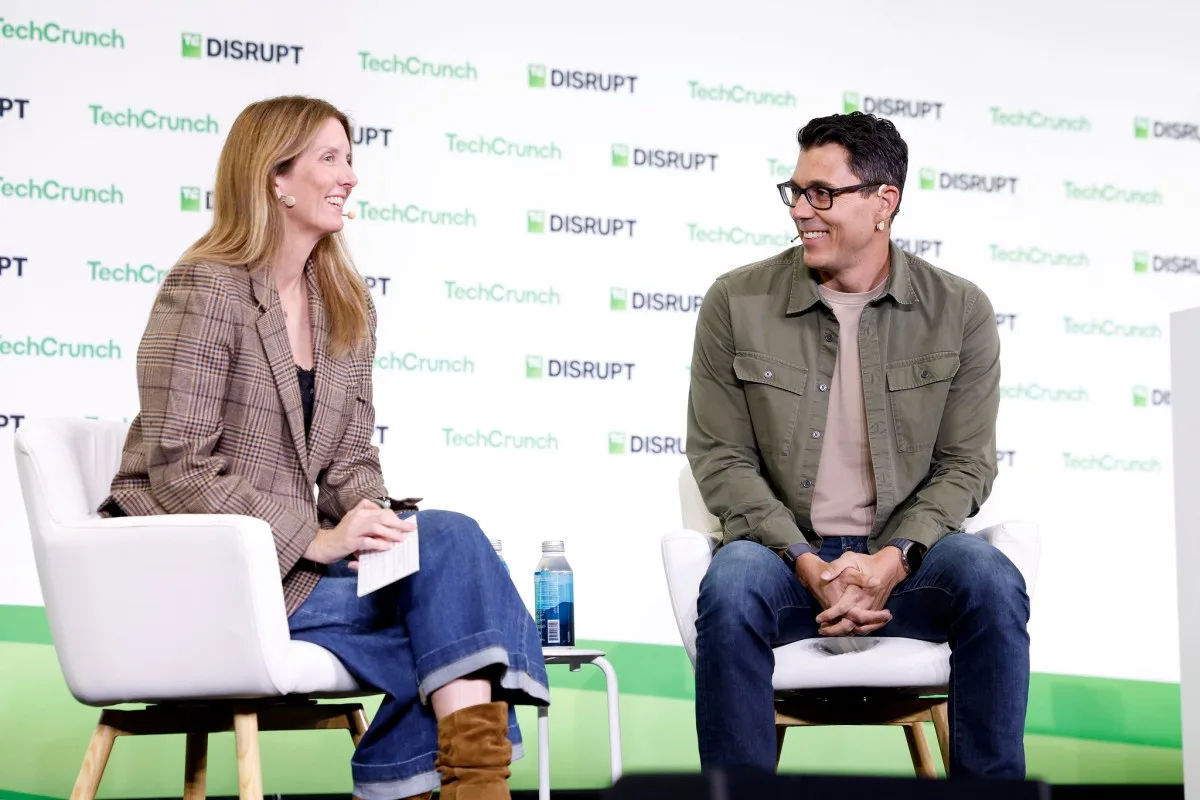
On stage at TechCrunch Disrupt on Thursday, Replit CEO Amjad Masad said the company was no longer working with Anthropic. He cited cost, the partnership and performance, and said ChatGPT is better now. Afterward he said users can still choose Claude, and that OpenAI is the preferred partner for Replit Agent. A person familiar with the partnership told TechCrunch it is still in place. The story, first filed 16 October, was updated Saturday.
The project’s X account on Saturday: a breach “related to a large scale distillation attack” affected 1.4 percent of OpenCode Console users who had linked outside providers. It emailed them that morning. The email, which the company has since confirmed, says someone reached a legacy system being decommissioned and that OpenAI, Anthropic and other keys saved in a workspace may have been exposed. Anthropic’s Lydia Hallie said the lab had revoked Claude API keys it believes were affected. OpenCode has not said how many people 1.4 percent is, or whether it will repay charges.
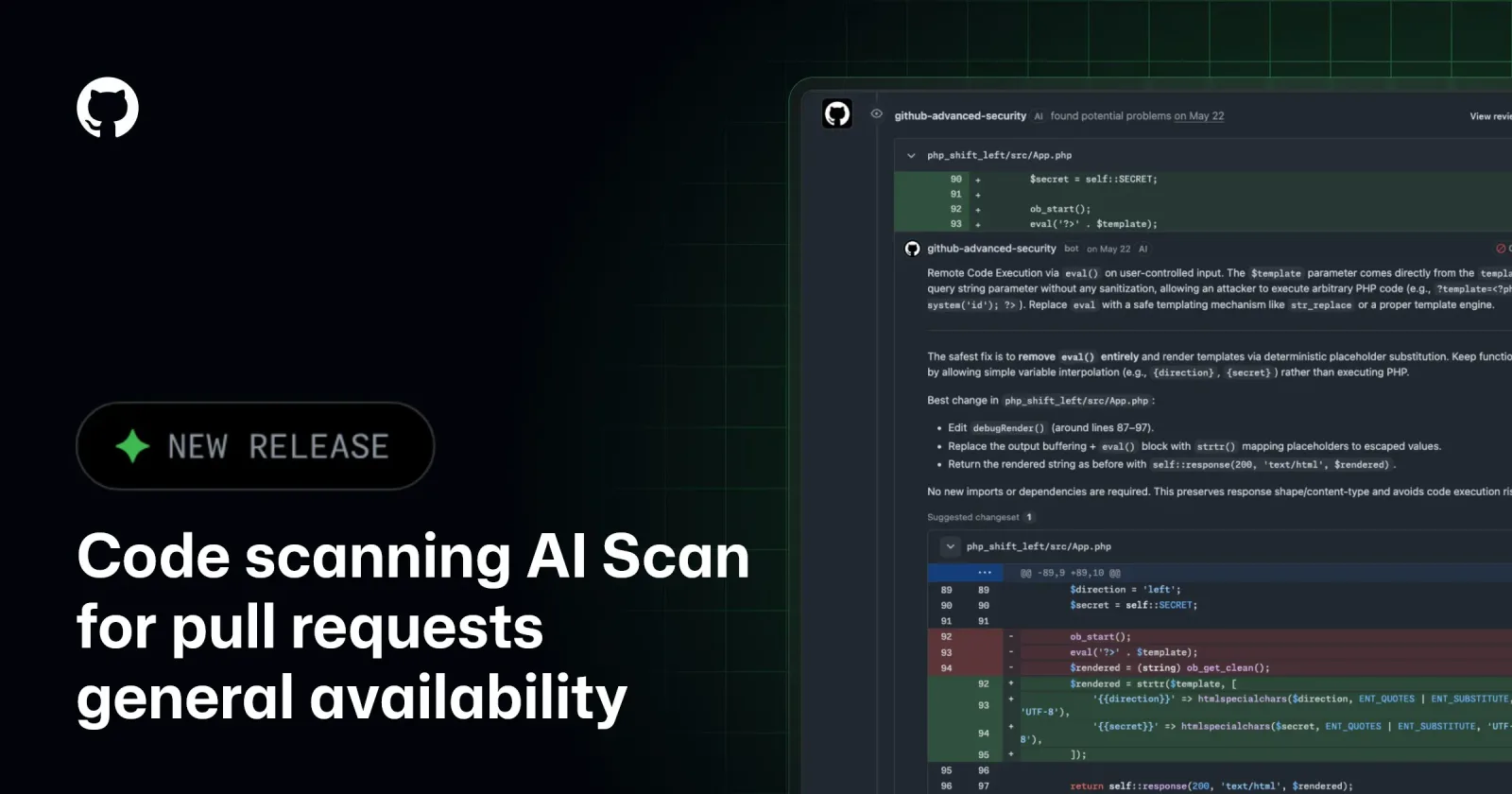
GitHub Changelog, Thursday: AI Scan for pull requests is generally available. It complements CodeQL on PHP, Shell/Bash, Terraform/HCL, Dockerfiles, JSP and Blazor. Findings are advisory. They do not fail the code-scanning check, and they do not run on forks or Dependabot pull requests. A Copilot license is not required.
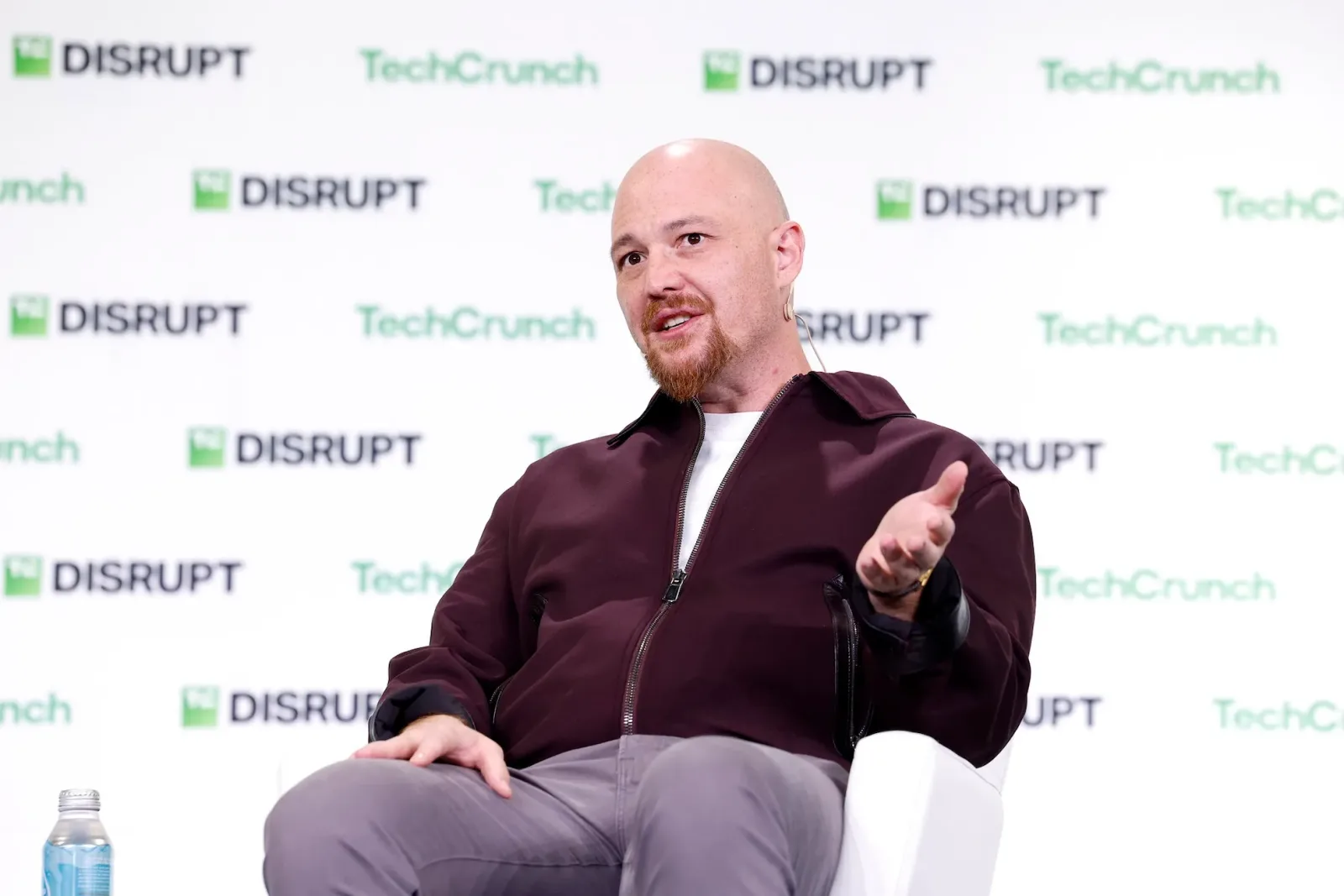
Sean O’Kane, TechCrunch, Thursday 8:02 a.m. Pacific: at Disrupt, RJ Scaringe said future Rivians will run agents from other companies, “like Anthropic.” No date. The company pointed to an AI and Autonomy Day in December. Vehicle-level controls stay with the car. O’Kane’s examples of the outside products are Claude, Dots and Muse.
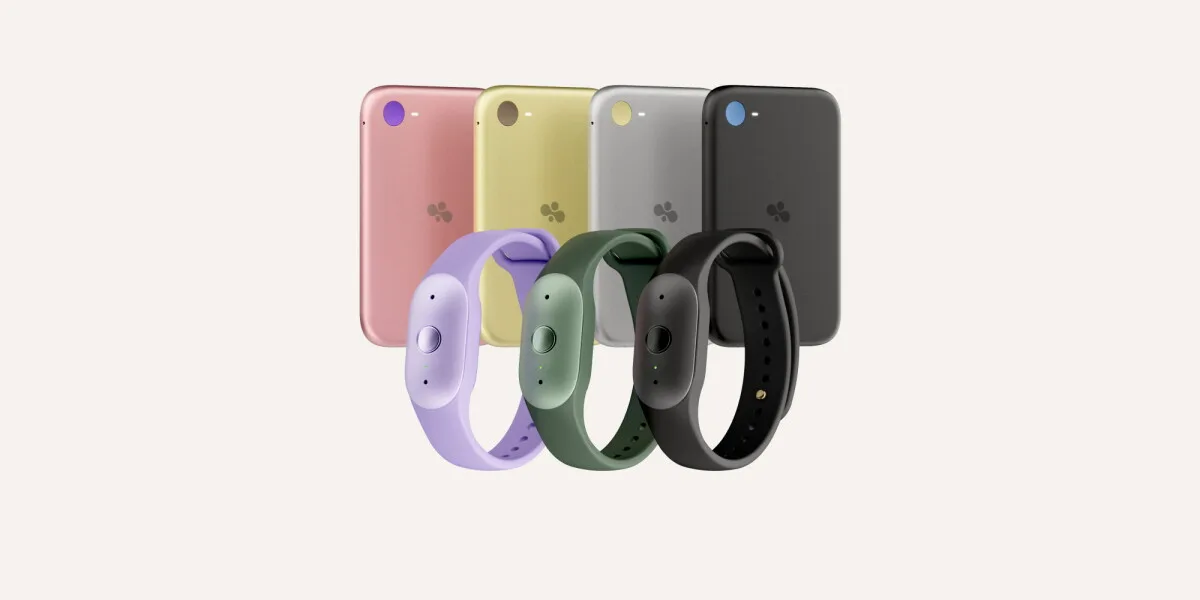
Amazon Staff, Thursday: Frontier, a wrist or clip-on wearable, is on sale now in Onyx, Lavender and Sage. Eclipse, a magnetic phone card with a claimed battery of more than 21 days, comes later in four colors, starting at $99.99. Audio is processed and deleted. Sarah Perez, TechCrunch: Bee Pro is $11.99 a month. Todd Bishop, GeekWire: the Amazon.com shopping link is opt-in.
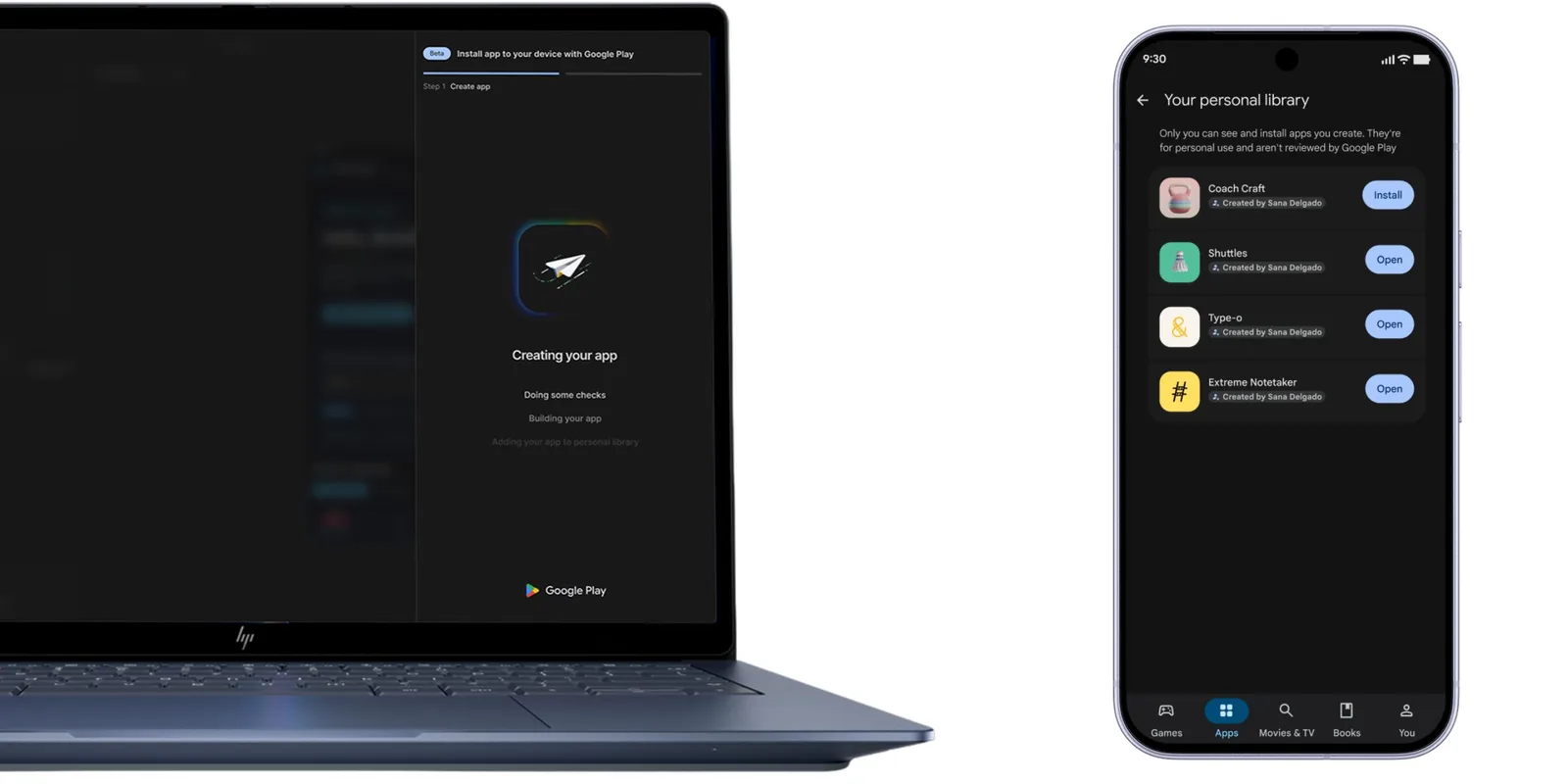
Sarah Perez, TechCrunch, Tuesday 10:00 a.m. Pacific: vibe-code an app in Google AI Studio and install it for yourself through Play with a standard Google account. Not in search. US users 18 and up at first. Sam Bright: from “there’s an app for that” to “there’s an app for me.”
OpenAI changelog, 8 October: Ultrafast speeds GPT-6.1 Sol in Codex and ChatGPT Work for Pro at $500 and for Enterprise and Edu that turn it on. Help Center, 9 October: Composer predictions in the Codex desktop app suggest the next message for Pro users on Astra or 6.1 Sol. Tab accepts; it does not send.
Marko Nguyen, Memeburn, 2 October: Muse free for personal and small-business errands; Grok Bot from $20 Cursor Pro or $30 SuperGrok, several named bots plus Team Bots in Slack; Dots behind ChatGPT Pro at $100, one primary dot, Pro excludes the EEA, UK and Switzerland.
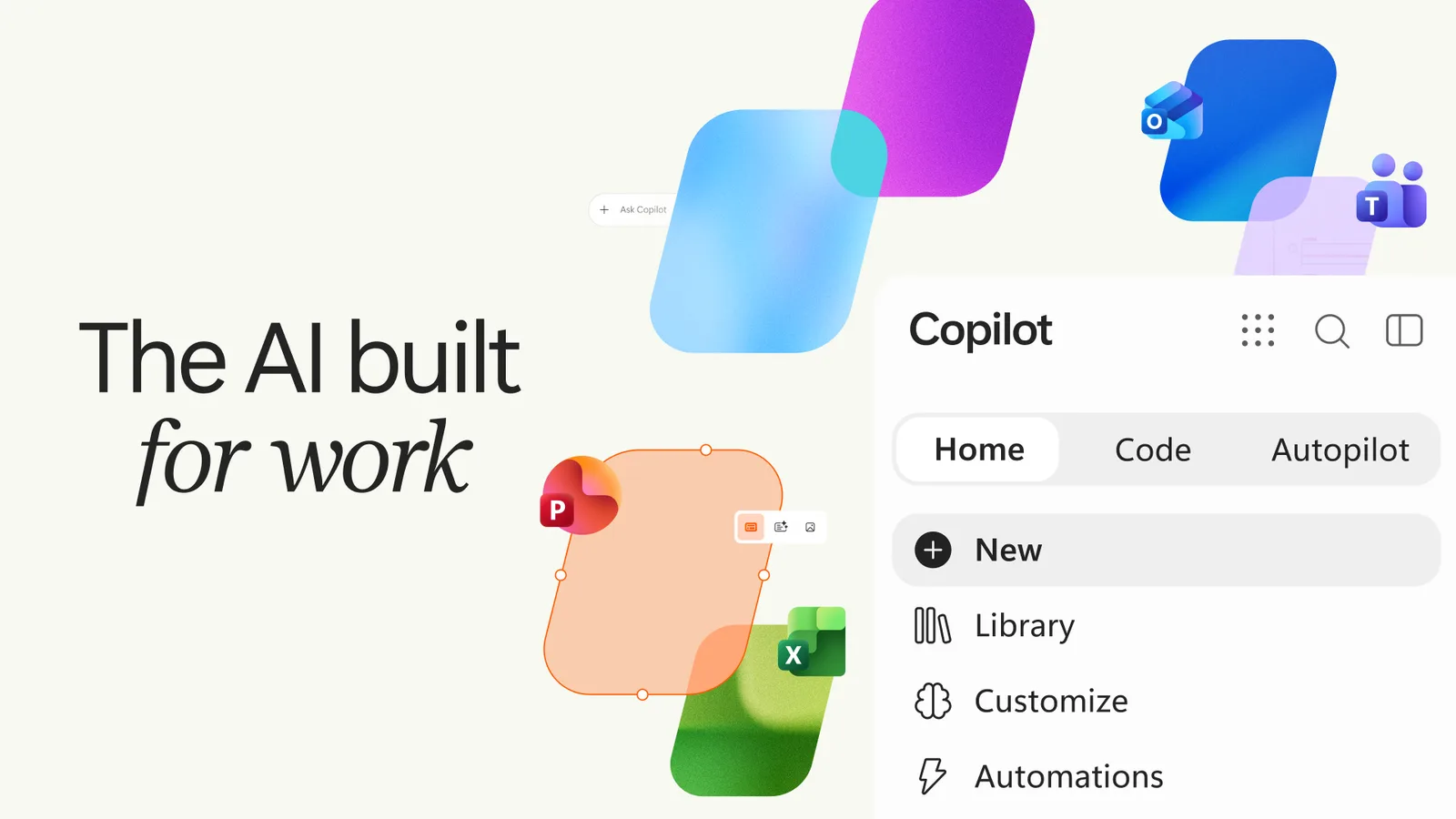
Tom Warren, The Verge, noon UTC: Home, Code, Autopilot. Scout is now Autopilot. Word, Excel and PowerPoint sit inside Copilot. Usage billing plus FinOps for AI. Frontier soon; Autopilot private preview at month-end. Shares were up more than 3 percent Friday.
Sam Rubin, 22 September: always-on exposure discovery, exploitability checks and remediation. Internal: a year’s pentest work in three weeks; 3.2× more high/critical findings; 51 percent faster mean time to remediate. Two-thirds of validated third-party exposures had no CVE.
Air Security: agents pin a commit, never check what landed. Anthropic and OpenAI patched. Microsoft has not. Google will not fix Gemini CLI. Jessica Lyons at The Register had it Thursday; TNW on Monday.
Pandaily: full release on Volcano Ark; Doubao Work and TRAE hooked up. Vendor demos include a 280,000-line Java ERP rebuilt from a screen recording, and a 36-hour Luanti run. Independent reproduction is still missing.
Thariq Shihipar: Anthropic’s agent now falls back to the OpenAI/Agentic AI Foundation instruction file. CLAUDE.md still wins if present. Built as a native “mod.” Not on Bedrock, Vertex or Foundry at launch.
Koa is post-trained Nemotron 3 Super, in Agentforce pilots now, U.S. GA slated for winter. The same Dreamforce keynote put Salesforce-in-Claude on AIforce with 37 sales skills.
CSO Johnny Ho: the model writes communications, edits live software, watches production and builds end-to-end test harnesses. OpenAI published the case. It is a customer quote, not a safety eval.
Developers get durable sessions, context compaction and hosted or bring-your-own sandboxes. There is no extra subscription: tokens and tools only. The changelog dated the beta to September 10.
GPT-6 Astra is already in the API. The change that matters for agents is experimental context notes — searchable across windows — going default in the coming weeks. Grok 4.7 is still cooking.
The 50% summer boost ends September 14. The new permanent cap is 25% above the old baseline — which is still a cut from what subscribers have been spending all month.