Pony.ai, inDrive and Nvidia sign a memorandum to study robotaxis in Astana
Pony.ai’s release, 12:30 a.m. Eastern on Friday: an MOU to evaluate Level 4-ready vehicles on inDrive in Kazakhstan, using Gen-7 robotaxis and Nvidia’s Hyperion, Alpamayo and Halos stack. A launch still needs the government. inDrive’s CTO told TechCrunch the Astana tests are aimed at the first half of 2027, with a safety operator at first.
Feature3 minIn-depth
Priya Shah3 min read
- Pony.ai
- inDrive
- Nvidia
- Robotaxi
- Kazakhstan
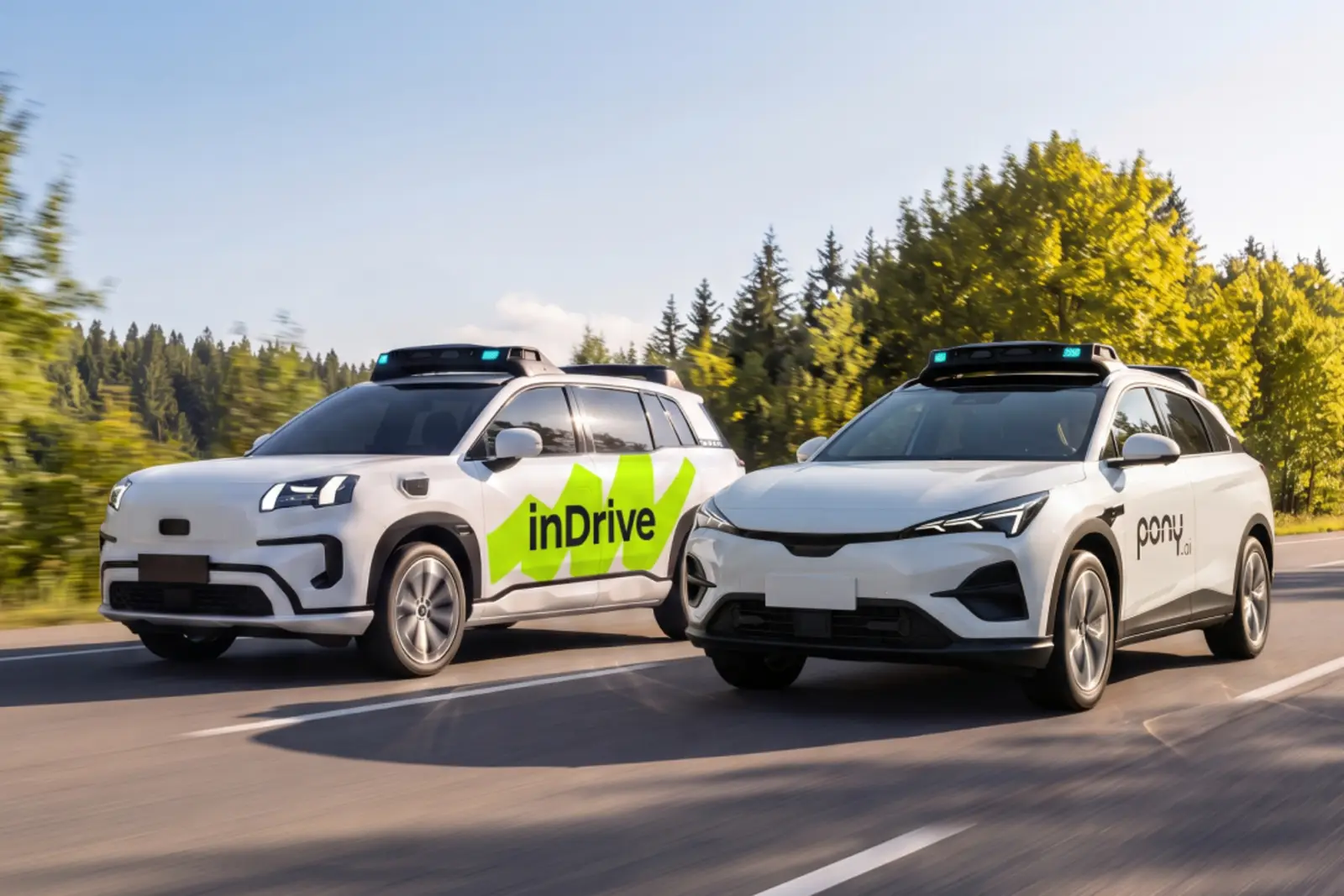
Photo: inDrive, via TechCrunchSource page
Pony.ai said on Friday it has signed a memorandum of understanding with inDrive and Nvidia to study autonomous ride-hailing in Kazakhstan, which the three companies call the first test market. The release is datelined Astana and timestamped 12:30 a.m. Eastern on 23 October. Under the memorandum they will look at the technical, operational, regulatory and commercial case for offering Level 4-ready vehicles through the inDrive app. Pony.ai would provide its seventh-generation robotaxis. inDrive would run the service. Nvidia would support it with Nvidia AI infrastructure. The release says a launch in the capital would follow an agreement with the government of Kazakhstan. It does not say a vehicle is carrying passengers there now.
The hardware and software named in the release are specific. Nvidia Hyperion is described as a reference sensor and compute platform for Level 4 vehicles and robotaxis. The platform, Pony.ai writes, combines Hyperion with the Alpamayo Stack and the Halos safety system. The company says the Gen-7 vehicle uses multi-sensor fusion, system-level redundancy and fail-operational capabilities, and that its Level 4 system has run in fully driverless commercial service in major Chinese cities and in deployments in Europe, the Middle East and Asia. Those are Pony.ai’s descriptions of its own fleet. Kazakhstan comes first, the release says, because the country has created what the company calls its first structured legal framework for driverless transport, during a “Year of Digitalization and Artificial Intelligence.” Astana’s population is given as about 1.7 million.
A date from the CTO, not from the release
The memorandum does not set a start date. Yuri Misnik, inDrive’s chief technology officer, told TechCrunch that testing in Astana will begin in the first half of 2027, at first with a safety operator aboard, and that rides with nobody in the driver’s seat are the later aim. Jagmeet Singh’s story was published at 9:00 p.m. Pacific on Thursday. “Our approach is capital-light by design,” Misnik said. “We work with a range of partners in different markets, combining their expertise with ours to deliver a better customer experience.” Singh writes that Nvidia says Hyperion could lower the cost of developing robotaxis by giving companies a ready-made foundation of sensors and computing, rather than requiring them to build and integrate that stack themselves. Ali Kani, Nvidia’s vice president of automotive, told TechCrunch: “Those savings are particularly relevant in emerging markets, where ride-hailing is already relatively affordable and autonomous services need to compete on cost.” The story says the announcement coincides with Jensen Huang’s first visit to Kazakhstan, on Friday. TechCrunch also writes that Pony.ai aims to have more than 3,500 robotaxis in more than 20 cities by the end of 2026, up from 1,975 vehicles at the end of June. That fleet count is in the TechCrunch article. It is not in the Astana release.
Launching here will provide an important opportunity to evaluate autonomous driving technology in challenging winter conditions.
— Arsen Tomsky, founder and chief executive of inDrive, to TechCrunch
Tomsky’s next sentence, in the same interview, is that success in Astana could inform other places with similar weather. TechCrunch reports that Kazakhstan said last month it planned autonomous taxi services in 2027, with early trials in Astana and two other cities, and that rules already allow tests on some public roads. The Pony.ai release says the inDrive app has been downloaded more than 400 million times and that the company operates in more than 1,200 cities in 47 countries. A separate inDrive agreement with Saudi Arabia’s AI Driver, to explore vehicles from WeRide starting in Riyadh, was signed in December, TechCrunch wrote, with a pilot aimed at the first half of 2026. Singh writes that it is unclear whether that testing has started. Misnik told TechCrunch the company is looking at other markets, and that a collaborative regulatory setting is one of the main requirements for putting vehicles on the road.