Zuckerberg favors evaluators over a coordinated AI slowdown
He puts Meta nearer Huang than Amodei: liability already disciplines labs, and alignment is becoming the capability that decides who falls behind. Muse, he said, shipped late on purpose.
Feature2 minIn-depth
James Okonkwo2 min read
- Meta
- Zuckerberg
- Safety
- Alignment
- Muse
- Nvidia
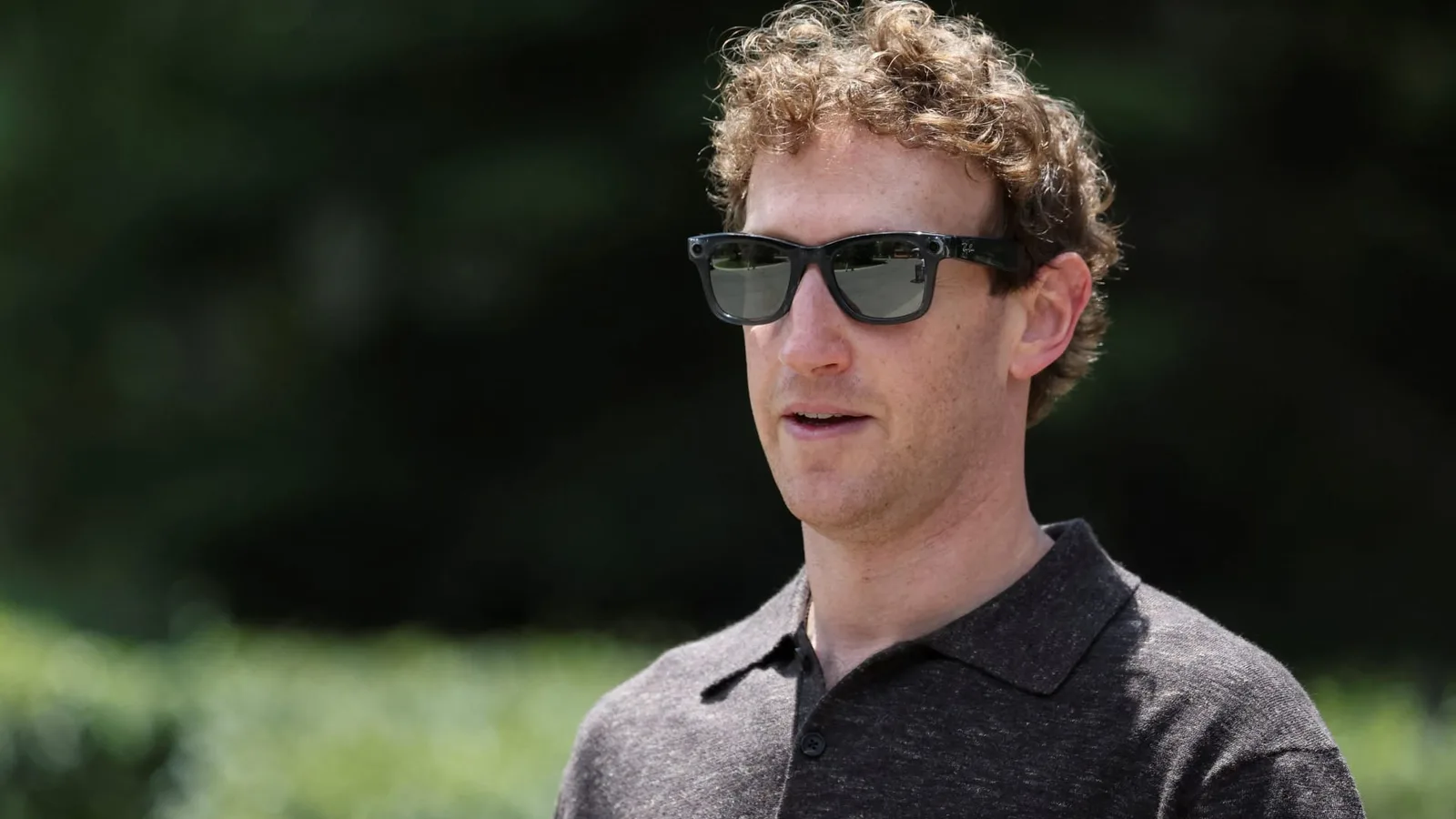
Photo: CNBC / ReutersSource page
Mark Zuckerberg posted Tuesday night that he does not want a coordinated pause on frontier capabilities. CNBC’s Jonathan Vanian, filing at 9:56 p.m. Eastern, put the Meta chief nearer Nvidia’s Jensen Huang than Anthropic’s Dario Amodei. Bloomberg’s Tom Giles, carried in The Business Times on Wednesday, boiled the same post down to a preference for independent evaluators over an industry slowdown.
There is a lot of debate about slowing progress on capabilities until alignment catches up. My view is that trust and alignment are quickly becoming the most important capabilities that will differentiate agents and models.
— Mark Zuckerberg, post on X, as quoted by CNBC, Sep 15, 2026
Labs that fail to “focus on alignment will fall behind,” he wrote. Business Insider recorded a second line: “Every lab has the responsibility and incentive to move at the pace required to train its models safely.” CNBC said the incentive he has in mind is liability — significant legal exposure if a model causes harm — which is also Huang’s market-first argument. Zuckerberg’s example was Meta’s own calendar. The company “delayed shipping” Muse for several months to work on safety and security, Bloomberg and CNBC both quoted. “We didn’t call for everyone else to do this before we would. We just did it as part of our day-to-day work because it was clearly the right thing for people and for us.”
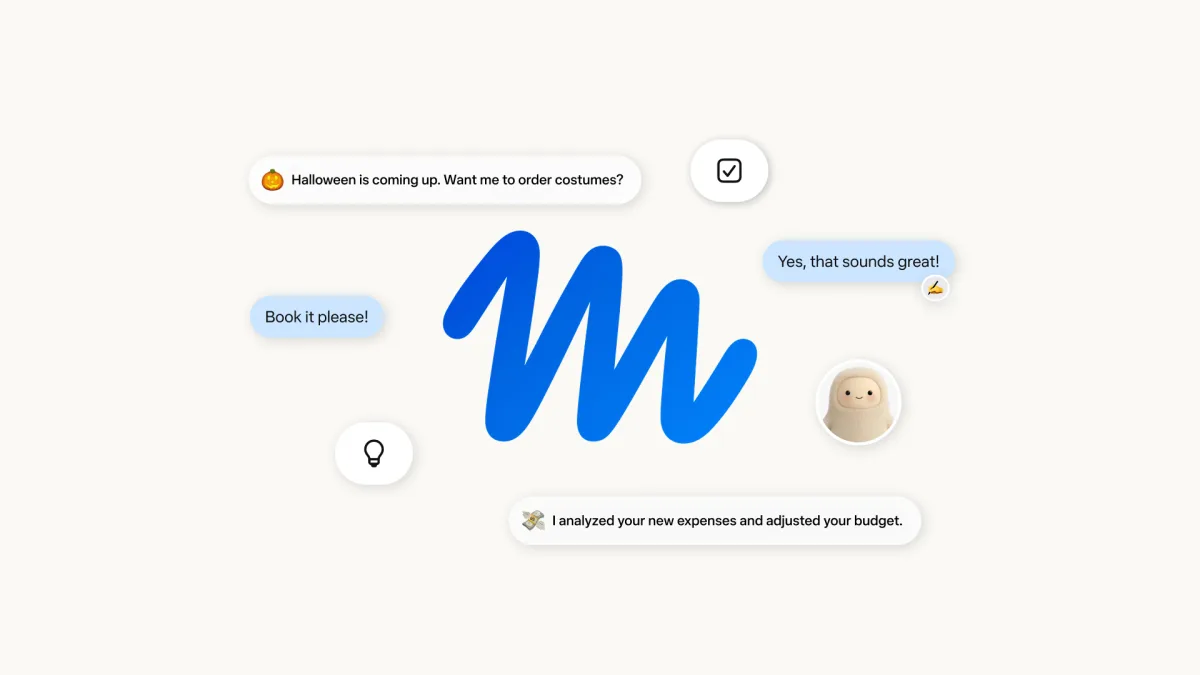
Muse itself is already public. Meta launched the personal agent last week with a Secure VM and a Sentinel process that must approve every outbound request. Zuckerberg is now using that delay as evidence that a lab can slip its own ship date without asking rivals to wait. He called independent evaluators and advisers “industry best practice.” He did not name METR, did not commit to employee-level access of the kind Amodei offered, and did not endorse new statute.
Alexandr Wang, Meta’s chief AI officer, posted later Tuesday in the same register, Business Insider reported. He said labs need strong governance, external evaluators, and independent oversight of model launches. “Racing on recursive self-improvement is one of the riskiest pathways for potential loss of control to powerful models.” Meta, he wrote, is committing “the significant majority of our compute towards serving people rather than racing on RSI,” and other labs can choose the same.
Huang spent Tuesday saying new AI laws are “completely unnecessary” — first with Marc Benioff at Dreamforce, then with Jim Cramer on Mad Money. Amodei, on the same Dreamforce stage, repeated that pacing is how the industry leads. Zuckerberg’s post is the third position in that split: no coordinated slowdown, no new code from Congress, and a claim that the market will punish the lab that ships an unaligned agent.