Meta launches Muse, a personal agent that cannot reach the internet without Sentinel
Muse runs in a dedicated Secure VM. A second process, Sentinel, must approve every outbound request. Users chat in the Muse app or WhatsApp; checkout uses Stripe Link one-time cards.
Feature2 minIn-depth
James Okonkwo2 min read
- Meta
- Muse
- Agents
- Muse Spark
- Safety
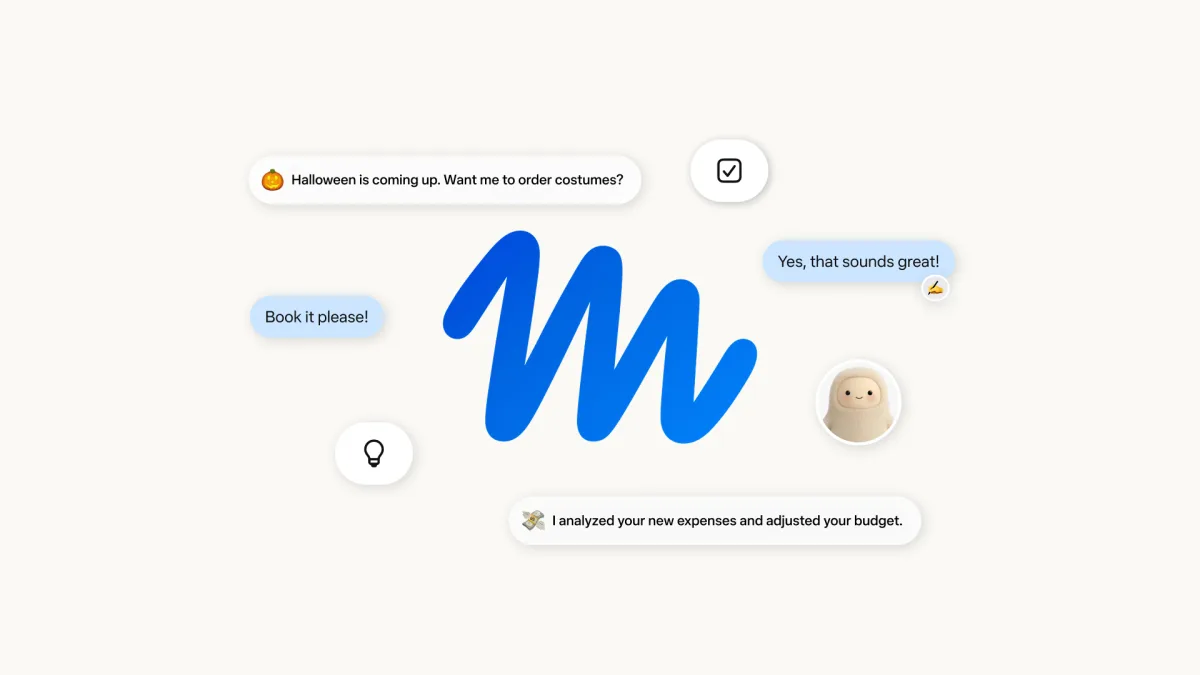
Photo: MetaSource page
Meta on Tuesday introduced Muse as a personal AI agent for consumer use. The agent runs in a dedicated Muse Secure VM — its own cloud instance, its own browser and its own copy of the user’s connected data. Nothing that instance wants to send to the internet leaves without a second process Meta calls Sentinel. People talk to it in the Muse app or in WhatsApp. The model underneath is Muse Spark. Checkout uses Stripe Link, which mints a one-time card so the real number never reaches the merchant.
The launch puts a consumer agent next to products already in the market, including Grok Bot in Microsoft Teams and Codex wrapped around Astra. The weight file still matters. Most users will judge the product by whether it can hold a calendar and pay a bill without leaking credentials.
Two security domains on one machine
A safety write-up from Tarek Sheasha at Meta Superintelligence Labs describes the harness — internally still named Hatch — as living in a systemd-nspawn cell. Root inside that cell is not host root. Credentials sit with a separate auth daemon. Built-in connectors run in privilege-separated workers. Sentinel is the only permission authority for connector actions and for every concrete network request, inspected at hostname, resolved IP, path and decoded body. The agent sees surrogate tokens. Real secrets are spliced in at the boundary after Sentinel approves. Approvals that need a human appear in the client UI, not as a chat suggestion the model can rephrase.
The right mental model is two isolated security domains on one box, not an LLM powered agent with root.
— Tarek Sheasha, Meta Superintelligence Labs, How we built safety into Muse
Muse is meant to keep working after the app is closed and to return when it needs approval — send this email, buy this item. Link’s wallet for agents mints a one-time card; Meta says Muse is the first AI agent covered by Link’s purchase protections. Shop Pay and 1Password support are listed as coming soon. Users choose which apps connect and whether mail is read-only or send-capable. Conversations and VM data are not shared with Meta’s ad systems, with one browser-side caveat: if Muse visits a shop, that shop may still retarget the user. Later this year Meta says it will ship Muse Confidential VM, encrypted with a key only the user holds, so Meta itself cannot open the instance. A small tester group is already on it, and Meta says auditor source is being opened.
The rollout is the United States, on iOS, Android and muse.ai, with AI glasses later. Most use is free; paid tiers add capacity. The bug bounty is open, up to $300,000, including prompt-injection that affects one user. Muse will still make mistakes. Meta’s claim is that a Sentinel the agent cannot override is a clearer product than a chat window that promises to be careful. Whether Confidential VM ships with a key Meta cannot hold, and how often Sentinel asks the user once checkout volume rises, will decide if that claim holds.