SpaceX has a binding commitment for a $40 billion GPU lease; Musk said the debt had closed
Monday’s release: an Apollo-managed lessor, Nvidia Vera Rubin chips, delivery in the first half of 2027, closing still subject to conditions and expected before year-end. An 8-K dates the commitment letter to 24 October and says the interest rate is set at a pricing that comes before the lease is signed. On Sunday, Musk wrote that SpaceX had closed $40 billion of GPU debt, and that more than 200 neoclouds face “guppy-level death.”
Feature4 minIn-depth
James Okonkwo4 min read
- SpaceX
- Grok
- Nvidia
- Apollo
- Debt
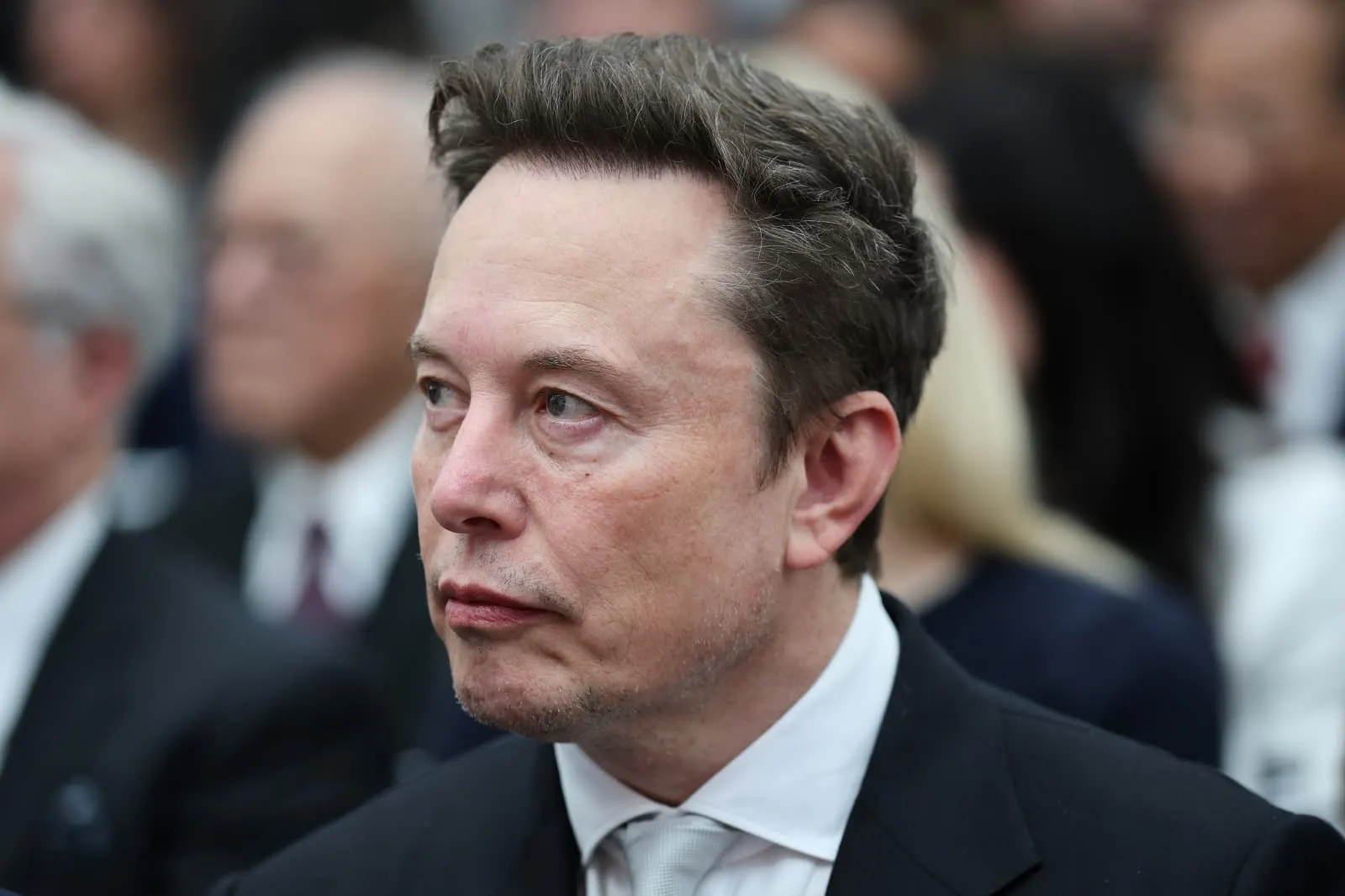
Photo: Win McNamee / Getty Images, via CNBCSource page
SpaceX said on Monday it has reached a binding commitment to enter an approximately $40 billion master finance lease for graphics processors and related equipment with an entity managed by Apollo Global Management. The chips are Nvidia’s Vera Rubin generation, for what the release calls the company’s terrestrial compute buildout. Goldman Sachs was sole structuring agent. Funds and accounts managed by BlackRock and Goldman Sachs Asset Management, and capital accounts advised by KKR, have made anchor commitments. Entry into the lease “remains subject to certain specified closing conditions and is expected to close prior to year-end 2026.” Lease schedules are expected to start when the equipment is delivered, in the first half of 2027.
The Form 8-K is more specific about what was signed, and when. On 24 October SpaceX entered a binding commitment letter to enter a master finance lease. The lessor would buy GPU pods and related equipment and lease them to the company for data centers the company selects. Equipment arrives in tranches. Each tranche gets its own schedule, with a term of about five to five and a quarter years from commencement. Rent is payable quarterly in advance and generally equals one-twentieth of that tranche’s financed cost, plus an amount at a fixed rate on the outstanding balance, plus certain costs. The fixed rate “will be determined at pricing which will occur prior to the Company’s entry into the master finance lease.” Aggregate principal payments over the schedules are expected to total approximately $40 billion. The 8-K says the lease itself is still subject to closing conditions and is expected to close before year-end, with schedules commencing in the first half of 2027 on delivery. A rate that is set at a pricing still ahead of the lease is not a rate that has already been printed.
“Closed,” in a post, and not yet priced, in the reporting
SpaceX aims to deploy the largest compute infrastructure in the world. As demand for compute continues to accelerate, we’re seeing less than one year payback periods on our SI infrastructure investments. This lease diversifies our funding sources and addresses a notable portion of the funding required to deliver on our growth plans as we aim to get additional compute online at record speeds to power Grok for enterprises and consumers, as well as serve existing and future cloud services customers.
— SpaceX chief financial officer, company release, Oct 26, 2026
The chief financial officer is not named in the release. The sentence that is usable without a name is the one about what the lease is for: Grok, for enterprises and consumers, and cloud customers, on Vera Rubin chips that are not scheduled to start their leases until they arrive next year. The payback claim — less than one year on “SI infrastructure investments” — is the company’s, and the release does not show the arithmetic.
Elon Musk’s posts on X, as CNBC reported them from Sunday evening, use a different verb. He wrote that SpaceX had closed $40 billion of debt for GPUs, that the company is investment grade, and that it has Starlink and launch revenue. A follow-up, in CNBC’s account, said the financing was primarily callable debt for chips expected in the first and second quarters of 2027. He also wrote, as the Financial Post rendered a Bloomberg story on Monday, that debt markets have “almost entirely shut off access to money for any company that doesn’t have substantial revenue independent of AI data centres,” and that “the 200+ neoclouds are going to see guppy-level death and consolidation.” He added, in that account: “Some will make it through, but not many.” The Financial Post says people familiar with the discussions told Bloomberg that, as of late Sunday in New York, pricing talks were still going on and the deal had not priced. The Monday 8-K is consistent with a commitment letter and inconsistent with a lease whose rate has already been set. “Closed,” in the post, and “expected to close prior to year-end,” in the filing, are not the same status.
The Financial Post also reports that credit-default swaps tied to SpaceX rose last week to 266 basis points at Friday’s close, a level it describes as more typical of a junk-rated borrower, and that SpaceX is rated investment grade by the three largest credit graders. Bankers led by Goldman have been discussing a structure of private bonds issued by an off-balance-sheet entity, with Apollo-backed Atlas SP slated to manage it, people familiar told Bloomberg last week, according to that story. Pacific Investment Management Co. has considered investing, those people said. The chips, on the company’s own clock, are a 2027 delivery. The argument Musk attached to the financing is about who can borrow now: a company with revenue that is not rent on AI data centers, set against specialists whose revenue is that rent. The 8-K does not count the neoclouds, and it does not say the lease has closed.