Amani Al-Khatahtbeh sues xAI in California over Grok edits that removed her hijab
Kat Tenbarge’s WIRED story is stamped 12:30 p.m. on 18 November. The complaint, filed Wednesday in the Northern District of California, alleges intentional distribution of nonconsensual sexual images, design and marketing defects, negligence, and intentional infliction of emotional distress. She is seeking up to $250,000 per violation of the California Civil Code. xAI did not immediately comment. Her lawyer, Hillary Nappi, says the case treats Grok as a defective product.
Short2 minIn-depth
Priya Shah2 min read
- xAI
- Grok
- Lawsuit
- California
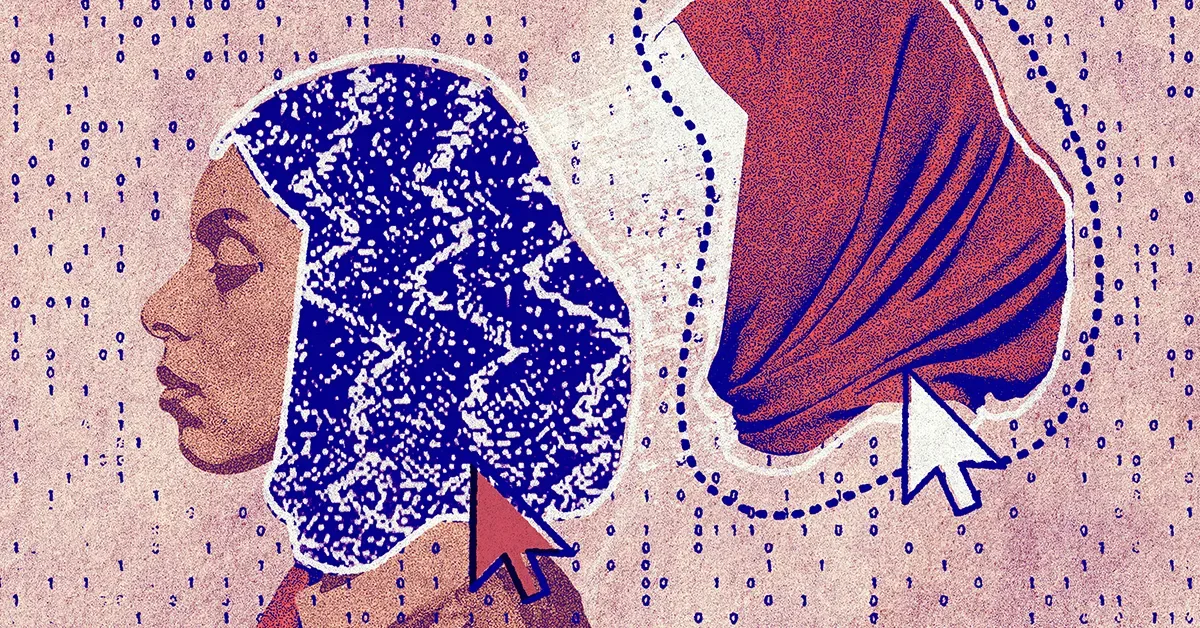
Photo: Rob Vargas / Getty Images, via WIREDSource page
Amani Al-Khatahtbeh sued xAI on Wednesday over Grok edits to a photograph of her. Kat Tenbarge’s WIRED story is stamped 12:30 p.m. on 18 November. The complaint was filed in federal court in the Northern District of California. It alleges intentional distribution of nonconsensual sexual images, a design and marketing defect, negligence, and intentional infliction of emotional distress. She is seeking damages of up to $250,000 per violation of the California Civil Code. xAI did not immediately respond to a request for comment. Al-Khatahtbeh is an author, an activist, and the founder of Muslim Girl. Tenbarge writes that the photograph was a selfie from Zohran Mamdani’s inauguration as mayor of New York, posted on 1 January, and that replies then asked Grok to take off her hijab and to change her clothes. WIRED says it reviewed screenshots of prompts and of some of the edited images.
It felt the same as if someone had ripped off my headscarf in real life.
— Amani Al-Khatahtbeh, to WIRED
She told Tenbarge the images were seen by an audience of tens of thousands. The complaint, as WIRED describes it, argues that xAI had notice because the Council on American-Islamic Relations had called on Elon Musk to stop what CAIR described as the use of Grok to harass, “unveil,” and create sexually explicit images of women, including prominent Muslim women. Tenbarge quotes the complaint on the design: a prompt directing the removal of a hijab, an abaya, or a saree “is trivially easy to execute unless the system is designed to refuse it.” She also writes that the complaint says Grok should not have been able to create and post “sexualized depictions of identifiable, non-consenting real people.” Hillary Nappi, Al-Khatahtbeh’s lawyer, told WIRED: “Grok is a product, and I don’t view it as anything different than any other defective product.”
Tenbarge places the filing among cases brought since January, and writes that it is the first to focus specifically on Grok removing women’s hijabs. She cites a January report from the Center for Countering Digital Harm that estimated Grok generated around 3 million photorealistic sexualized images on X in an 11-day period starting 29 December, including around 23,000 of children. She writes that, on Grok’s own app and site, WIRED found still more graphic material could be generated, and that investigations by state attorneys general, by at least 12 countries, and by the European Union are ongoing. Canada, she writes, has found that xAI violated federal privacy law, and France has escalated its inquiry to a criminal probe. On what the company changed, her account is narrow. In the days after the January scrutiny, xAI limited the image tools to paying subscribers. She writes that the limit did not stop the images. It meant a user had to pay xAI to make them. Al-Khatahtbeh told WIRED she called the police, that officers took a report, and that they told her they could not act, and that reports she filed on X did not take the images down immediately.