ByteDance, Alibaba and Tencent ordered more than 3 million Nvidia RTX PRO 5500 cards, Reuters reports
Two people familiar with the orders told Reuters the cards are priced at about $11,400, a sticker total above $35 billion. Nvidia has said it may not fill them. One source put the likely allocation at 5 to 10 percent. Another said 2027 output of the card may be capped at 3 million worldwide, while orders from China already exceed 6 million. Samples are expected in December. Commercial deliveries start in the first quarter of 2027.
Feature3 minIn-depth
Eli Navarro3 min read
- Nvidia
- China
- RTX PRO
- ByteDance
- Inference
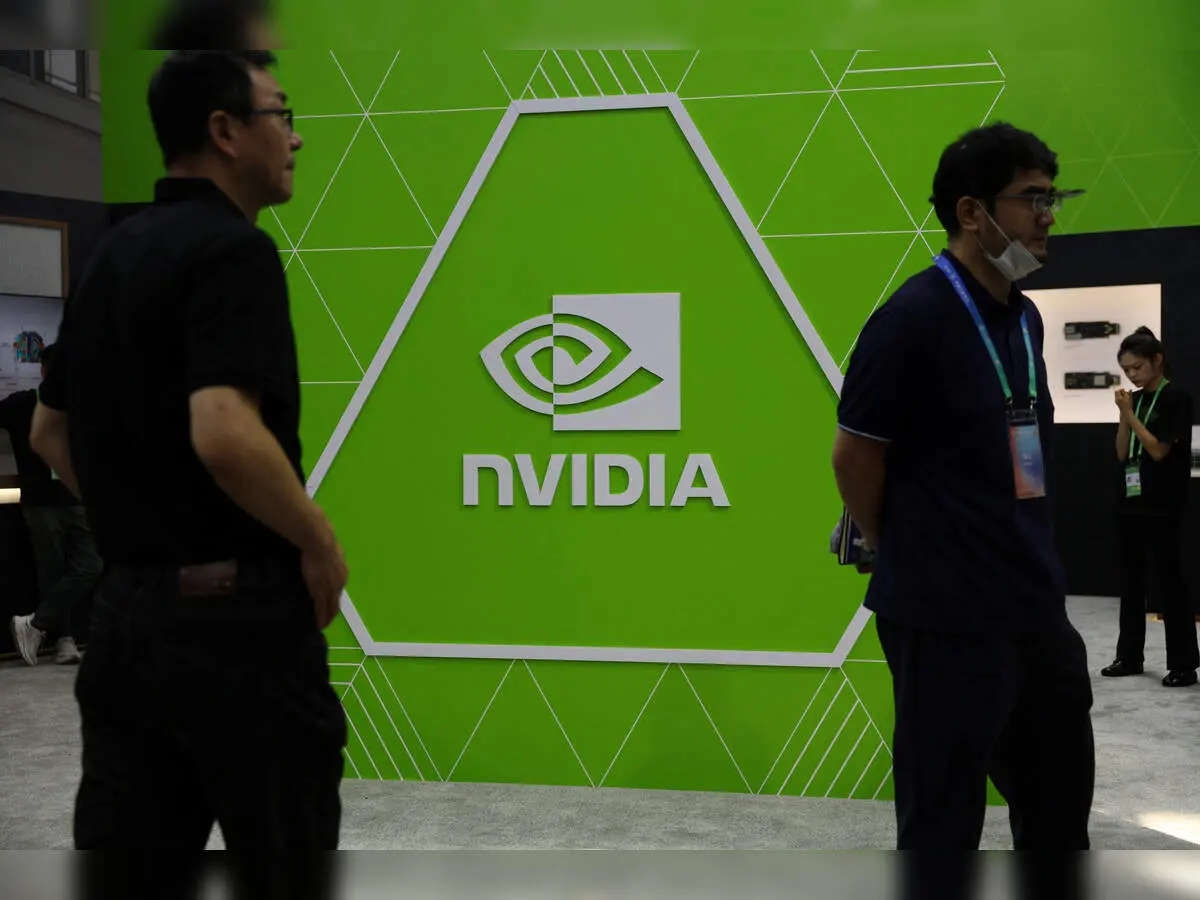
Photo: Florence Lo / Reuters, via The Economic TimesSource page
ByteDance, Alibaba and Tencent have ordered more than 3 million of Nvidia’s RTX PRO 5500 graphics cards, two people familiar with the matter told Reuters, in a story the wire moved on Monday. At about $11,400 a card, those two people said, the list price comes to more than $35 billion. Nvidia has told customers and partners it cannot promise to fill the orders, the same two sources and a third person said, because demand from Chinese technology companies is larger than the production Nvidia has planned. The three asked not to be named. ByteDance, Alibaba and Tencent did not answer Reuters. Neither did the US Commerce Department’s Bureau of Industry and Security, which runs the export controls, nor China’s Ministry of Industry and Information Technology.
The card is not a B300. Reuters describes the RTX PRO 5500 as a workstation part, for a powerful desk machine rather than a rack of data-center chips linked together. It is among the strongest Nvidia chips a buyer in China can still get. The Blackwell-based B300 cannot be sold to Chinese customers under US export controls. Exports of the Hopper-based H200 are looked at one case at a time and need a license. The three companies want the cards mainly to run models that have already been trained, the three sources said, which takes less computing than the training itself. On specifications Reuters reviewed, the RTX PRO 5500 performs like the RTX 6000D. Nvidia introduced that reduced card in the middle of last year so it would fit the rules. Reuters has reported that large Chinese firms showed little interest then, and that some would not order, because the card looked expensive for what it did and because buyers still hoped Washington would allow a stronger one. Two of the sources said that hope has faded, and that tight supply has made the 5500 the card they will take.
Three million cards, and a factory plan that does not cover them
The share a customer might actually receive is much smaller than the order, if the sources are right. One said Nvidia told partners they might get 5 percent to 10 percent of the quantity they requested. Another said the company had indicated it could build no more than 3 million RTX PRO 5500 cards worldwide in 2027. Orders from customers in China have already passed 6 million, two of the sources said. The three companies’ request, more than 3 million cards, sits inside that larger book. It is not a delivery schedule.
The dates are in the same account. Nvidia has told customers to expect early samples in December and commercial shipments in the first quarter of 2027, the sources said. From 2027, two of them said, Nvidia is expected to put much of its capacity at Taiwan Semiconductor Manufacturing toward Rubin, the next platform for large data centers, rather than a card like the RTX PRO 5500. TSMC declined to comment. One source said the RTX 6000D has been discontinued and that its price in China has doubled. A named buyer is on the record outside the anonymous sourcing. In an October 13 filing, Shenzhen-listed Tansun Technology said it had agreed to buy 20,000 RTX PRO 5500 cards from a counterparty it did not name, and warned that shortages, demand and controls on foreign technology could delay the cards or cut the number.
Nvidia’s spokesperson did not confirm the orders. The company said Chinese makers of workstation chips and cards have seen “unprecedented growth since 2022,” when the curbs started. “US firms continue to be restricted by a combination of outdated US export controls, which cover gaming products released nearly a half a decade ago, and China’s own limit on US imports,” the spokesperson said. Jensen Huang has said the restrictions took Nvidia’s share of China’s market for AI data-center chips from something close to a monopoly to effectively nothing. The book the sources describe is for a weaker card than those data-center parts, wanted for inference, with the company telling partners that planned output in 2027 does not cover what China has asked for. Samples, on their account, are still two months off.