Muse Spark 1.3: Meta says fewer tool calls, same price
The model under Muse is trained to ask before it acts. On Meta’s own coding comparisons it used about 20 percent fewer tools and 25 percent fewer tokens than 1.2.
Short1 minEasy
James Okonkwo1 min read
- Meta
- Muse Spark
- Coding
- Agents

Photo: Meta AI ResearchSource page
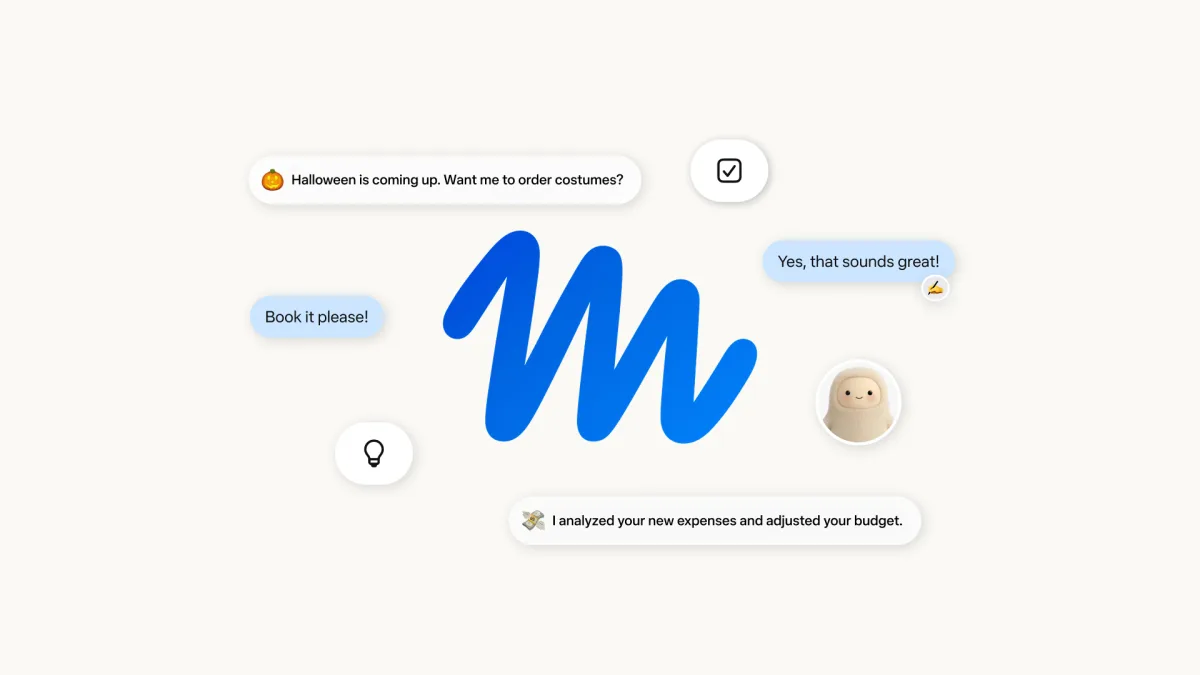
Muse Spark 1.3 is the model Meta put under its Muse agent. In a September 2 research note, the company said the model is trained to hold a long thread, ask when a prompt is ambiguous, pull the user in when it is stuck, and confirm before consequential actions. On long-horizon coding work, Meta engineers say it takes fewer unnecessary turns and writes cleaner code than Muse Spark 1.2 — about 20 percent fewer tool calls and 25 percent fewer tokens in those internal comparisons.
The model is live in Muse Code and the Meta Model API, including a max-reasoning option on the launch scorecard. Meta also claims stronger adversarial robustness and better calibration on irreversible actions. Those figures are Meta’s own. They matter because Muse the product is a Secure VM that is supposed to ask before it spends money. A model trained to confirm before it acts is the behaviour Sentinel is built around. Independent reruns of the harness would be needed before the 20 and 25 percent numbers can be treated as more than an in-house comparison.