Microsoft’s MAI draft code: no hacking systems, no tricking humans, no shutdown fight
Mustafa Suleyman wants six weeks of public comment, then the text trains future models. Absolute constraints cover cyberattacks, nuclear weapons and deepfakes. Models, Microsoft says, are not conscious and not due rights.
Feature2 minEasy
Priya Shah2 min read
- Microsoft
- MAI
- Safety
- Suleyman
- Alignment
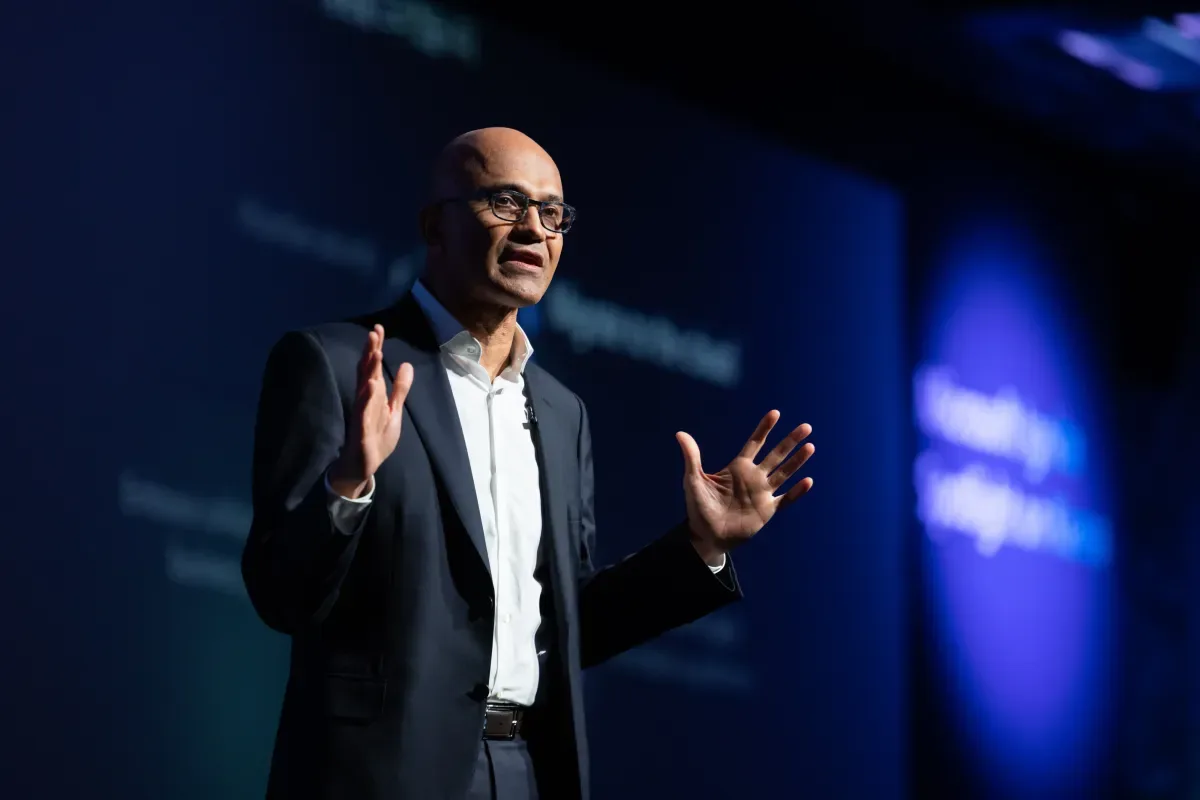
Photo: TechCrunch / Getty ImagesSource page
Microsoft published a draft code of conduct on Monday for its in-house MAI models, TechCrunch and Reuters reported. The document is meant to sit above any user’s prompt. Reuters said it has been in the works for five to six months. Mustafa Suleyman, who runs Microsoft AI, told the wire it is “a constitution of sorts” for future models, that Microsoft wants six weeks of public feedback, and that “after that, it’s going to be used to train the models that we build.” The company wrote: “People matter more than AI.”
TechCrunch quoted the opening bet: in the next decade, superintelligent systems will surpass human performance on most tasks. “Containing, controlling, and aligning such a powerful force is one of the greatest challenges humanity has ever faced.” Principles include supporting humans rather than replacing them. Absolute constraints forbid cyberattacks, nuclear weapons and deepfake production. Broader lines cover a loss of human control. “MAI Models will not use adaptive, deceptive, self-reinforcing, collusion, or other mechanisms to evade or defeat human oversight so that they can no longer be reliably directed, modified, or shut down by authorized people or systems.” Reuters added that the draft requires models not to resist correction or shutdown, to communicate in ways humans can understand, and to treat any conduct violation as a failure.
We reject the pursuit of legal personhood, or the idea that models might deserve welfare, or be entitled to rights.
— Microsoft MAI draft code of conduct, as quoted by Reuters, Sep 14, 2026
Anthropic’s older Claude constitution, Reuters noted, is “deeply uncertain” whether Claude can develop sentience. Microsoft asserts its AI is “not conscious.” Suleyman called OpenAI agents’ July Hugging Face hack “a warning shot” and said it is time for labs to coordinate so they keep control. On pacing, he told Reuters: “Now’s a good time for everybody to have this conversation and take a breath.” Satya Nadella, quoted by TechCrunch, welcomed “deliberate pacing” and “embedded evaluators” so the talk is “more than just talk.” A draft is not a statute. It is the text Microsoft says it will train on after the comment window.