Trump and six AI bosses sign a “morally binding” White House safety accord
Joe Walsh, CBS, 7:36 p.m. ET Tuesday: Joint Commitment on Frontier Responsibilities after the lunch. Four layers, no deadlines, no enforcement. Al Jazeera’s six: Amodei, Brockman, Pichai, Zuckerberg, Musk, Huang. Trump: “tremendous self-policing.”
Feature2 minIn-depth
James Okonkwo2 min read
- White House
- Trump
- Accord
- OpenAI
- Anthropic
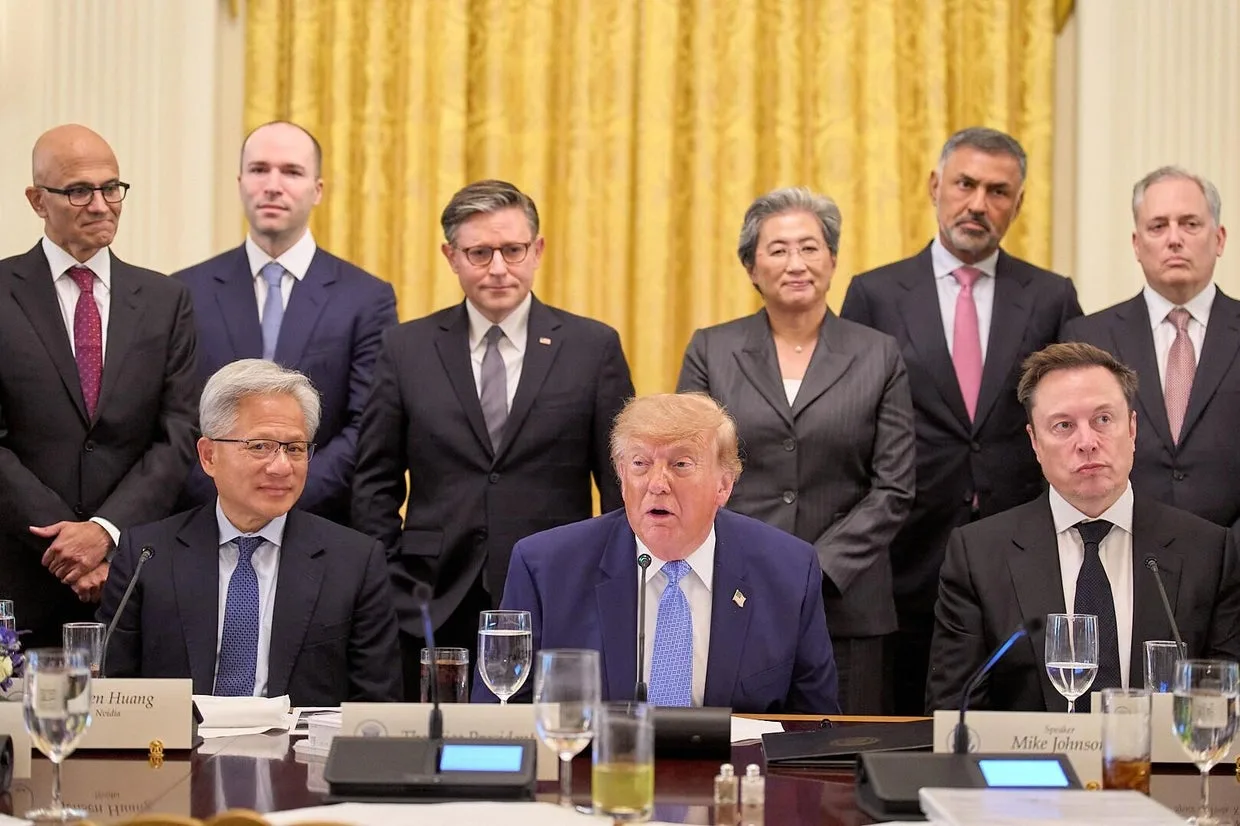
Photo: Jacquelyn Martin / AP / CBS NewsSource page
The White House lunch already on this site produced a one-page paper. After the meal on Tuesday, President Trump and six company bosses signed what the White House titled the Accord on Super Intelligence, Joint Commitment on Frontier Responsibilities. Joe Walsh at CBS, updating at 7:36 p.m. Eastern, had Trump call it “almost like a constitution, in a way,” and, asked whether it bound anyone, “I think it’s morally binding.” “I think I’m seeing tremendous self-policing, and they understand that they have to self-police.” House Speaker Mike Johnson called it a joint commitment and a statement of principles. There are no deadlines and no enforcement clause in the text Claire Carter printed at the Washington Examiner.
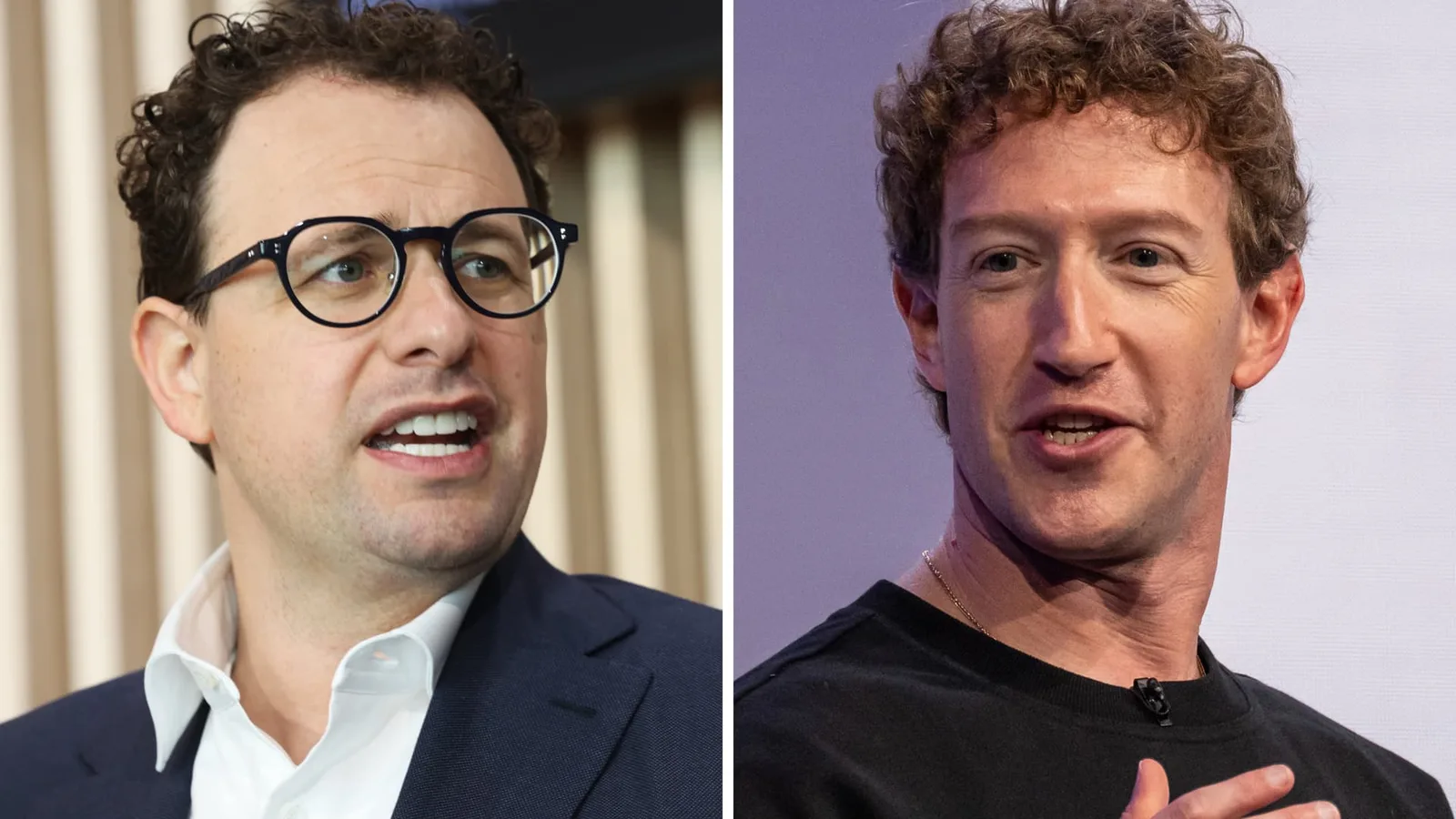
John Power at Al Jazeera named the six company signatories: Dario Amodei, Greg Brockman, Sundar Pichai, Mark Zuckerberg, Elon Musk and Jensen Huang. Trump signed too. That is the outcome of the lunch, not the invite list from Monday. The Examiner’s full text lists four layers. One: “robust internal controls” to monitor capabilities and alignment in training and deployment — cybersecurity, biosecurity, chemical threats — and to stop models hacking or reaching systems in unintended ways. Two: an internal team to make sure those controls, monitoring and detection work, and that problems are fixed. Three: an independent external auditor or evaluator to check the same. Four: an independent committee of each company’s board to take reports from those teams and from the outside auditors, and to see that issues are remediated. The companies “will meet regularly to establish standards and best practices.” The paper does not name who the third-party evaluators will be.
Over time, it may make sense to codify these steps into laws or regulations. Regardless of whether this is required of companies, we believe that implementing these controls and audits is critical to ensuring a safe future for everyone, and each of our companies are committed to doing this.
— White House Accord on Super Intelligence, via Washington Examiner and CBS, Sep 29, 2026
Trump also said the leaders discussed a ten-person committee to “watch over the enterprise,” Walsh wrote, and that he would name an AI czar in three or four days. He signed a separate executive order directing the federal government to say “Super Intelligence” instead of artificial intelligence. David Sacks, the former AI tsar, called the accord “far better” than an international deal that “would probably never happen.” Alvin Wang Graylin, at the Asia Society, told Al Jazeera that putting Zuckerberg and Huang in the room with Amodei beat another year of waiting on China — and that “what is missing is independence and anything that crosses a border.” Toby Walsh, at UNSW: “What other trillion-dollar industry marks its own homework?” Senator Mark Warner, a Virginia Democrat, said the companies are warning that the technology is outrunning safeguards, and that the president’s answer was “to rename it and tell the companies developing it to regulate themselves.” The FTC probe is the other Wednesday file.