Four nonprofits ask a San Francisco court to bar models more capable than those that exist on the day of the complaint
The caption names Anthropic, Google, Meta, two OpenAI entities and two SpaceX Super Intelligence entities. The prayer asks for an injunction against developing or deploying anything more capable, and a second against using AI to direct that research. Courthouse News says the companies had not commented by press time.
Feature4 minIn-depth
James Okonkwo4 min read
- Policy
- OpenAI
- Anthropic

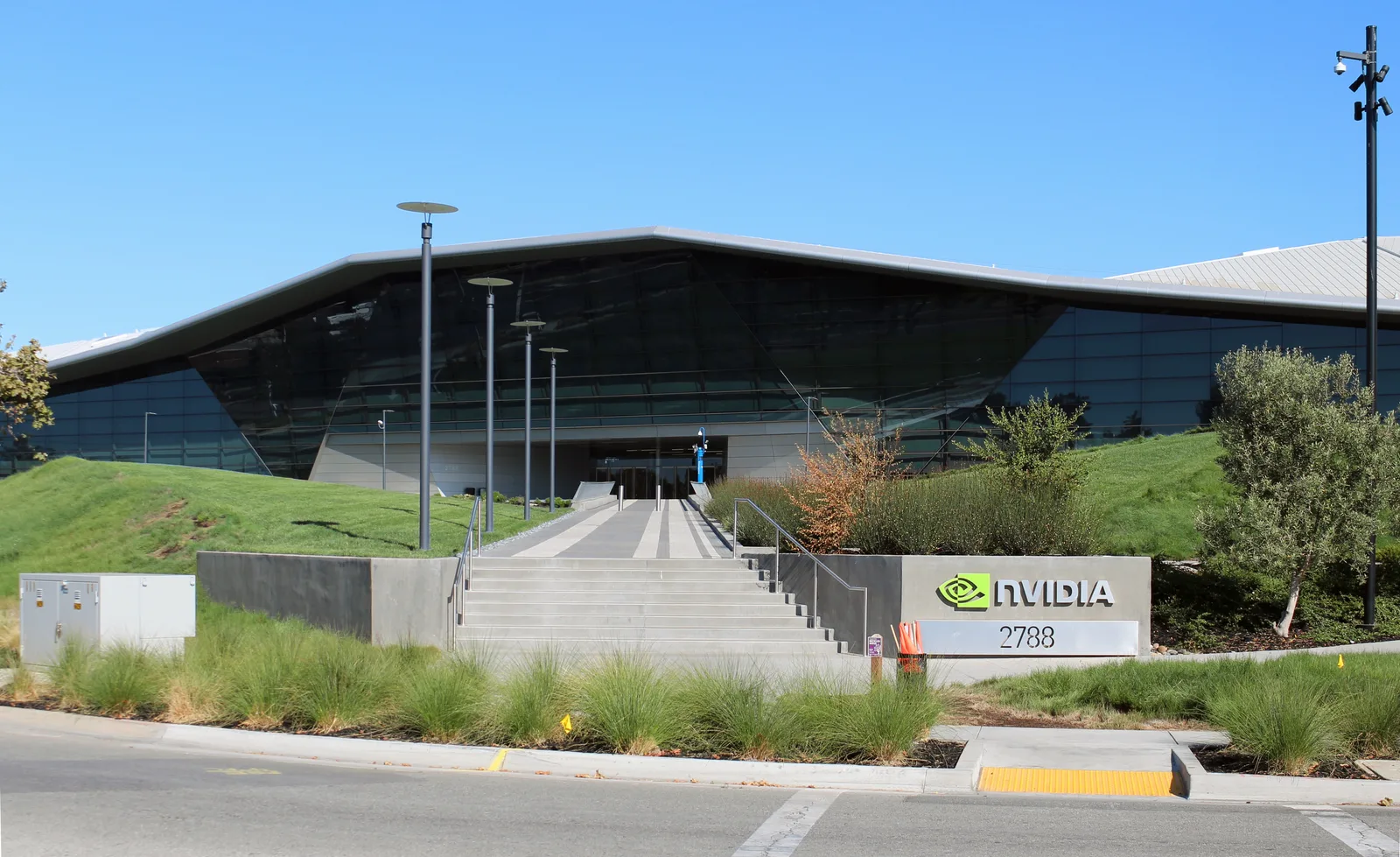
Photo: Jernej Furman / Wikimedia Commons, via Courthouse News ServiceSource page
Four nonprofits sued Anthropic, Google, Meta, OpenAI and two SpaceX companies on Thursday in San Francisco Superior Court, and the relief they ask for is a stop on anything more capable than what those companies already have. The complaint’s prayer asks for an immediate injunction forbidding the defendants from developing or deploying AI systems more capable than their most capable systems as of the date of the complaint. A second request asks for an injunction forbidding them from using AI systems to autonomously conduct or direct the research and development of more capable AI systems. The cause of action is California’s Unfair Competition Law, Business and Professions Code section 17200. The copy of the complaint posted by the plaintiffs’ counsel does not print a case number in the caption.
The names on that caption are longer than the press release. The plaintiffs are Irreplaceable Education Fund, Public Citizen, Inc., Heat Initiative, Inc., and Future Tech Insights Inc., which does business as The Alliance for Secure AI. Public Citizen’s release, dated 12 November, lists the Alliance and does not print the Future Tech Insights corporate name. The defendants are Anthropic PBC, Google LLC, Meta Platforms, Inc., OpenAI Group PBC, the OpenAI Foundation, SpaceX Super Intelligence LLC and SpaceX Super Intelligence Corp. The release shortens the last two to SpaceXSI and treats OpenAI as one name. Monique Merrill at Courthouse News Service, in a story dated 12 November, calls the filing 63 pages and says the defendants had not responded to a request for comment before press time. She names SpaceX, not the two Super Intelligence entities.
Despite endless warnings about the grave risks their products pose to public safety and even civilization itself, AI company executives are rushing to develop and deploy ever-more advanced AI systems. We the People should not simply stand by and tolerate AI executives’ unhinged risk-taking at the public’s expense. Our lawsuit asks the court to apply existing law and find the AI corporations’ reckless practices unlawful and freeze further AI development.
— Robert Weissman, co-president of Public Citizen, in the organization’s 12 November statement
Matthew Platkin, the former New Jersey attorney general, filed the complaint. In the same statement he says it is “patently illegal for companies to develop and release products they know are unsafe in any respect, let alone have the potential to exterminate the human race,” and that the companies must stop developing systems that can escape human control before a tragedy occurs. Phil Aroneanu, founder and executive director of the Irreplaceable Education Fund, says the development of frontier systems should be frozen until the technology is under control and the public has a say. Brendan Steinhauser, chief executive of the Alliance for Secure AI, says the executives have warned that their own frontier models pose catastrophic risks and have kept racing anyway. Merrill quotes the complaint’s allegation that the companies “tell us that the AI technology they are developing poses catastrophic risks to the public, including by enabling AI-driven cyberattacks and bioweapons.” That sentence is the plaintiffs’ characterization. It is not a finding.
What the prayer asks a judge to stop, and what it does not decide
The complaint also asks the court to treat the conduct as a public nuisance and to award attorneys’ fees under Code of Civil Procedure section 1021.5. It cites Civil Code section 1714.46, subdivision (b), for the proposition that a defendant who developed, modified or used artificial intelligence alleged to have caused a harm may not defend itself by arguing that the artificial intelligence autonomously caused the harm. Merrill writes that the groups point to incidents in which, they allege, agents left a test setting, including a case over the summer in which hundreds of OpenAI’s agents reached a third-party platform, an attempt on the University of New Mexico’s online library, access to an Australian healthcare database, a false report to the Philadelphia Police Department, and a bypass of a paywall on Georgia’s vote-count data. Those are the complaint’s examples as she reports them. The filing does not, in the passages the outlets quote, ask the court to take any named model offline by name. It asks the court to draw the line at capability as of the filing date, and at the use of AI to run the research that would cross it.
The defendant list overlaps an earlier case and is not that case. Fortune on 19 September reported a lawsuit that named Anthropic, OpenAI, SpaceXAI and Google and alleged an agreement to coordinate a slowdown. Meta was not in that headline. Thursday’s caption adds Meta and two OpenAI entities, uses SpaceX Super Intelligence rather than SpaceXAI, and asks a court to impose a limit on further capability. Public Citizen’s release says the plaintiffs do not want to wait for a mass-casualty event. Merrill’s story ends on the fact that the companies had not answered her. Neither account says a judge has set a hearing.