Choi Kyo-jin offers his resignation over last-minute AI checks on the Suneung. The presidential office says Lee accepted it
Yonhap’s story, stamped 12:12 on 22 November, quotes the education minister’s statement: the changes just before the exam inconvenienced test-takers, and he cannot escape criticism that the ministry failed to prepare. The Korea Herald, at 13:59, says President Lee Jae Myung accepted the resignation an hour after it was offered. The Herald puts the number of test-takers caught with smart devices at 111. Penalties are due before scores come out on 11 December.
Feature2 minEasy
Maya Chen2 min read
- South Korea
- Exams
- AI
- Policy
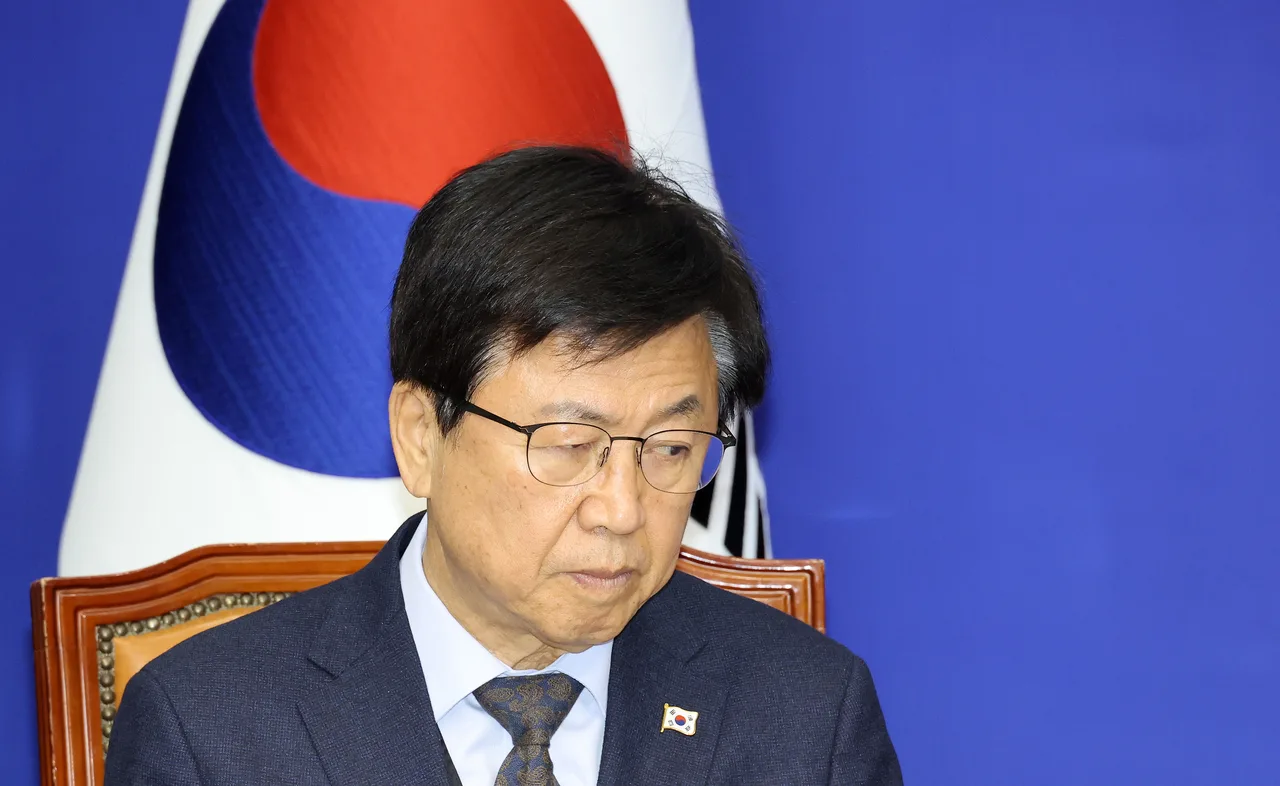
Photo: The Korea HeraldSource page
South Korea’s education minister, Choi Kyo-jin, offered his resignation on Sunday over the confusion caused by last-minute rules meant to stop cheating with artificial intelligence on the College Scholastic Ability Test. Kim Seung-yeon’s story for Yonhap, stamped 12:12 on 22 November, quotes the statement the ministry released. “During the preparation process for the Suneung, various changes made right before the test caused inconvenience to the public, including test takers,” Choi said. “As the minister in charge, I believe I cannot escape criticism that we failed to prepare in advance.” He added that the exam has concluded, that he feels a deep sense of responsibility, and that he is offering his resignation. The Suneung, the Korean name for the test, was held on Thursday.
Yoon Min-sik’s story in The Korea Herald, published at 13:59 the same day, says President Lee Jae Myung accepted the resignation an hour after Choi presented it. The source for that sentence is Cheong Wa Dae, the presidential office. Presidential spokesperson Kang Yu-jung said the president will start the process of appointing a new minister, and that he has instructed Prime Minister Han Seong-sook to concentrate on measures related to the Suneung. Yonhap’s story does not report the acceptance. It stops at the offer.
One hundred and eleven devices, and a penalty still to be decided
The Herald says this year’s exam was caught up in fears of cheating with AI-powered technology after the top scorer on the national tax-accountant certification exam admitted to AI-assisted cheating just before the college test. The authorities then stepped up checks on smart devices. The Herald says 111 test-takers were caught possessing or using them. That count includes smart glasses in one case, and a miniature camera and wireless earphones in another. The measures the Herald describes include unscheduled emergency alerts sent to detect hidden smartphones. The Education Ministry’s examination-misconduct committee is reviewing the cases and will decide penalties before scores are released on 11 December.
A longer ban is not yet a rule. The Herald says the government and the ruling Democratic Party have suggested extending the ban on AI-assisted cheating to 10 years, potentially applying it retroactively to this year’s exam. The authorities are also considering a review of past college entrance exams for possible AI-assisted cheating, based on credible tips. Exam papers, the Herald writes, have to be stored at the test locations for at least a year. Neither story prints a count of how many of the 111 cases were possession alone and how many were use during the exam. The penalties, and any change to the length of the ban, are still ahead of the score release.