OpenAI launches Dots at DevDay: always-on agents on GPT-6 Astra, aimed at Muse
Emma Roth, The Verge, 5:15 p.m. UTC Tuesday: one cloud computer, a browser, 4,000-plus apps. Reuters: Altman called it “the real deal version of AI that we’ve always imagined.” Live voice demos snagged. Rollout is Pro, Business Premium and Enterprise.
Deep dive2 minIn-depth
Maya Chen2 min read
- OpenAI
- Dots
- DevDay
- GPT-6 Astra
- Muse
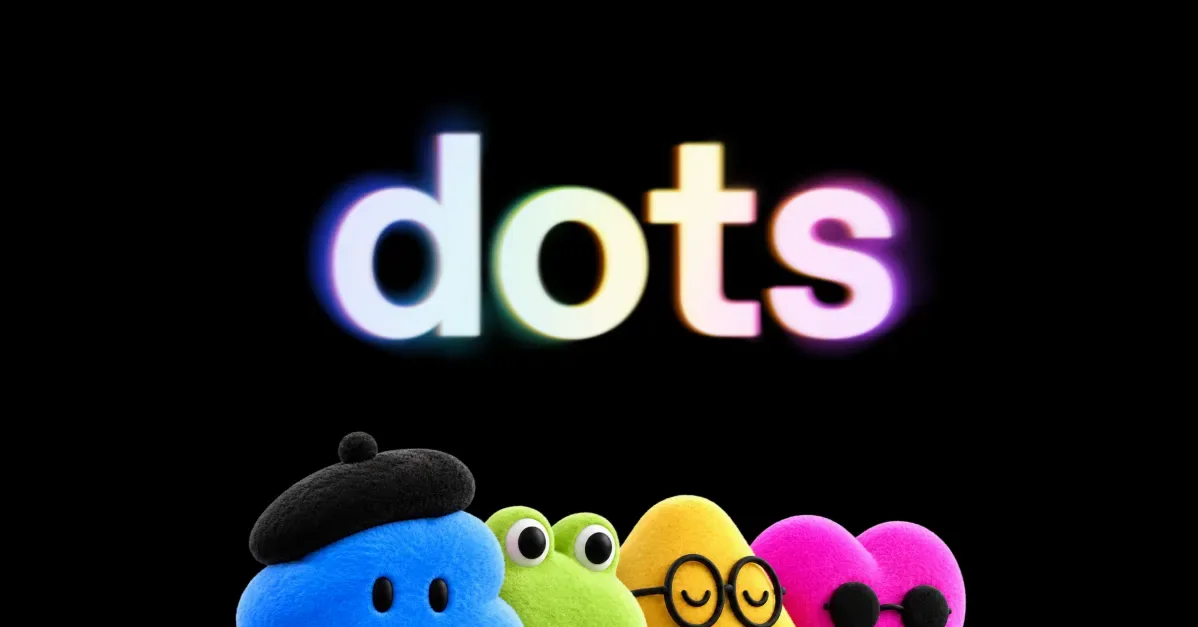
Photo: OpenAI / The VergeSource page
OpenAI put always-on personal agents on the DevDay stage in San Francisco on Tuesday and called them Dots. Emma Roth filed for The Verge at 5:15 p.m. UTC. Reuters, carried by Devdiscourse early Wednesday, put about 2,500 people in the room. The pitch is an agent that keeps working across apps while you do something else. The model underneath is GPT-6 Astra — the one that shipped in September, not the 6.1 follow-on OpenAI pulled the day before.
Each Dot gets its own cloud computer and a browser. Roth’s count is more than 4,000 supported apps. You talk to it in a text-message-like thread, or on a voice call from ChatGPT on web, desktop or phone. Slack and Microsoft Teams are in from the start; SMS is “soon.” For now you can make one Dot. OpenAI says more, and a way to turn up speed or monthly work per Dot, come later. A developer’s example: feed it customer feedback, have it build and test updates, then send back a video of the change. A creator’s example: transcript in, clips, show notes and social posts out. You can watch the cloud machine while it works. It is also supposed to start jobs “before you even think to ask.”
We believe (the agent) is going to feel like a whole new way to work with AI. This is the real deal version of AI that we’ve always imagined for ourselves.
— Sam Altman, DevDay 2026, via Reuters
The live demos did not all land. Romain Huet, head of developer experience, said on stage: “We might have some voice difficulties at the moment. Which is pretty unfortunate.” An OpenAI employee wrote on X that the glitches came from shipping every update at once, Reuters reported, and that the company still wants live demos. Dots are rolling to ChatGPT Pro, Business Premium and Enterprise. Conversations with a Dot do not count against ChatGPT usage limits, Roth wrote. Companies can try “specialist” Dots for named roles. Colleagues can sit with a Dot in ChatGPT Space, a new shared workspace. Reuters added the rest of Tuesday’s scoreboard: more than 35 million weekly users of Codex and ChatGPT Work, up from about five million Codex users in June; ChatGPT above 1.2 billion weekly users; a cheaper GPT-6.1 Sol; a $500 Pro plan with higher usage and faster performance.
OpenAI says Dots have built-in rules for when to act alone, plus custom rules and an “auto-review” pass that checks an action against those rules and against safety requirements. Sensitive work — Roth’s example is a password change; Reuters also names permanently deleting data — needs explicit consent. Reuters said OpenAI is rolling out “private intelligence tools” to look for safety risk without keeping business customers’ data, and repeated that it does not train on business data by default. Personal-plan users can opt out of sharing chats and Dots work for training. The product sits next to Meta’s Muse, which Roth said is already facing a safety complaint: a user said it handed their address to a Facebook Marketplace buyer. That is Meta’s file, not a finding about Dots. The 6.1 Astra scrap is the other Tuesday story.