Huang says Nvidia will double chip unit sales next year; Samsung and SK hynix rally
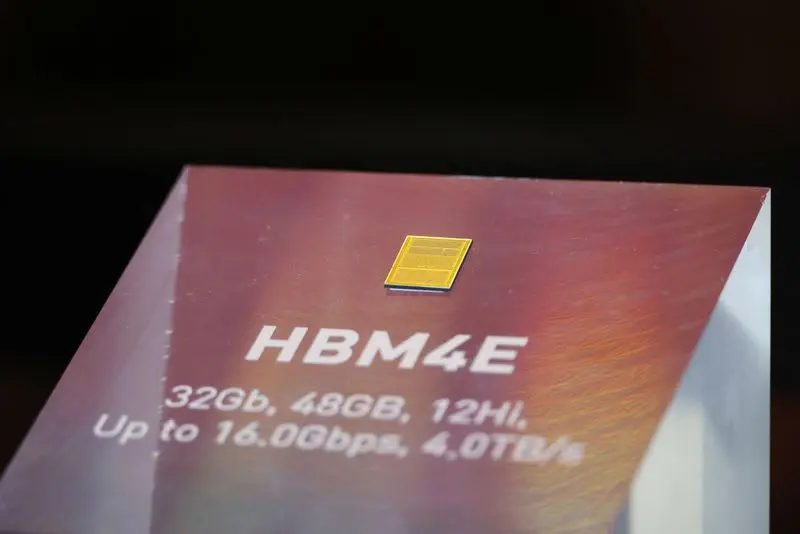
The figure is units, not revenue — GPUs, CPUs, networking, Jetson. In Seoul, Samsung closed +3.37% at 261,000 won; SK hynix +6.42% at 1.857 million. Vera Rubin uses HBM4; Ultra next year is HBM4E.
Feature1 minEasy
Priya Shah1 min read
- Nvidia
- Jensen Huang
- Samsung
- SK hynix
- HBM

Photo: Seoul Economic Daily / YonhapSource page
Jensen Huang told reporters on September 17, ahead of an AI summit in Scotland hosted by King Charles III, that Nvidia expects to sell twice as many chips next year as this year. Kim Yeo-jin at Seoul Economic Daily, citing CNBC and other outlets on Friday, was explicit that the “double” is unit volume, not revenue. Nvidia sells data-centre GPUs, CPUs, switch and optical networking chips, notebook parts and Jetson modules for robots and vehicles; doubling shipments is not doubling the top line. The company does not disclose total chip units. Last October, Huang said Nvidia had shipped 6 million Blackwell GPUs over four quarters.
It’s because AI contributes so much to many industries and many economies.
— Jensen Huang, as quoted by Seoul Economic Daily citing CNBC, Sep 18, 2026
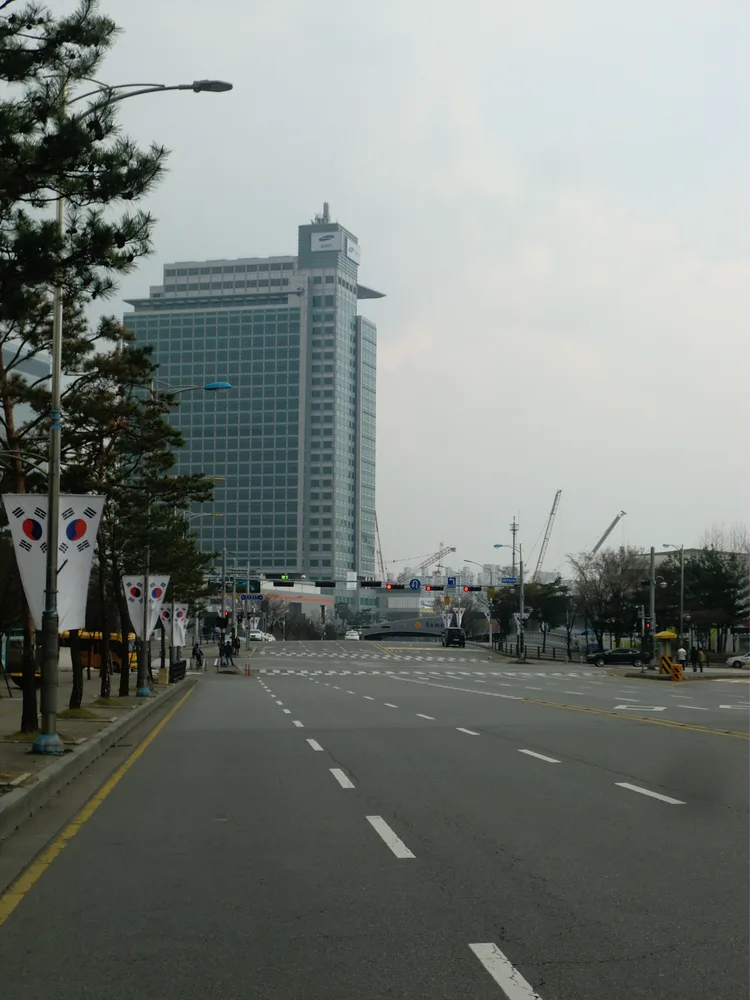
He added, in the same remarks, that in nearly every country Nvidia has entered, people want to invest in AI. Korean chip stocks treated that as an HBM story. On Friday’s main board, Samsung Electronics closed at 261,000 won, up 8,500 won or 3.37%, and SK hynix at 1.857 million won, up 112,000 won or 6.42%. Vera Rubin, which Nvidia has begun mass-producing, uses HBM4. Rubin Ultra, due next year, is expected to use HBM4E. Feynman, slated for 2028, is expected to use HBM5. Seoul Economic Daily wrote that HBM prices rise about 30 to 50 percent with each generation, so a mix that tilts to HBM4 and HBM4E is a margin story for the two Korean suppliers — if they can make enough. Capacity, not demand, is the bottleneck the paper’s sources named. Kim Rok-ho at Hana Securities told Yonhap the market’s attention has already shifted from whether AI demand exists to whether producers can secure the wafers.