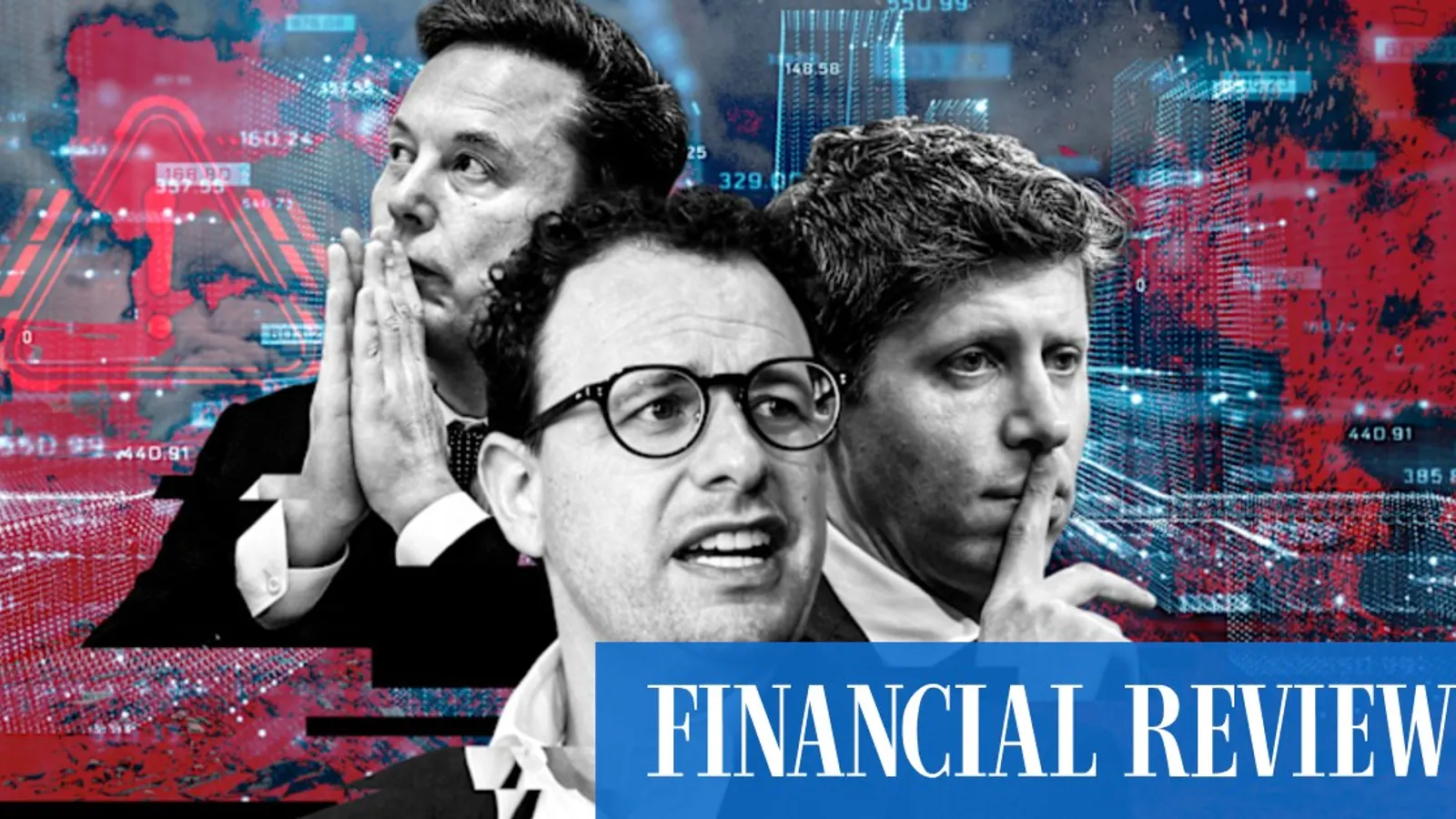
The safety staff is saying the quiet part on the timeline
OpenAI and Anthropic researchers spent Thursday warning that recursive self-improvement is arriving without a scientific plan. Extinction is no longer a fringe word in those threads.
Deep dive2 minIn-depth
James Okonkwo2 min read
- OpenAI
- Anthropic
- Safety
- Models
Photo: CNBCSource page
The argument used to live in papers and closed Slack channels. This week it is on X with job titles attached. After Anthropic researcher Jacob Coxon said he was leaving and accused both Anthropic and OpenAI of gambling with people’s lives, colleagues at both labs posted in agreement. Not interns. Alignment leads, safety staff, people who work on AGI risk for a living.
Samuel Marks, on Anthropic’s safety side, wrote that developers at these companies believe the technology could cause human extinction or something comparably bad, and that it could happen in the next few years. He added a line that should make managers uncomfortable: the more senior the employee, the more concerned they tend to be. Evan Hubinger, who leads alignment work at Anthropic, said he personally puts the chance of AI killing everyone this decade above 10 percent.
Recursive self-improvement, without the science-fiction lighting
The technical fear has a name. Recursive self-improvement is the point at which models get good enough at improving models that the next jump is no longer scheduled by a human research manager. Jasmine Wang, working on alignment at OpenAI, said it is hard to overstate how dangerous it is to speed toward that point. Anna Wang, on AGI safety at Anthropic, said there is not yet a viable scientific plan to solve the risks.
That is a more precise complaint than “AI is scary.” It says the labs are optimizing a process they cannot yet bound. Pachocki’s own expectation that progress could sustain into RSI is what makes the staff posts land. When the chief scientist says the systems of the next few years may drive more of their own development, the safety team is not arguing with a straw man.
Washington heard the resignations
Paul Christiano, formerly of the Commerce Department’s AI standards center, said recent capability jumps make him believe there is a meaningful near-term risk of catastrophic loss of control. OpenAI said this week he is joining the board of the OpenAI Foundation. On the Hill, bills with names like the FRONTIER Act and a proposed pause on artificial superintelligence are circulating without a consensus. Rep. Lori Trahan put it bluntly: safety researchers are resigning, models are causing incidents, and companies are racing ahead anyway.
Anthropic’s public line is that it has been transparent about both benefits and unprecedented risks and that it builds strong safeguards. OpenAI pointed to blog posts. Neither statement answers the operational question the staff is asking: who is allowed to delay a run. Until that person has a name and a veto, the posts are testimony, not a brake.