Huawei unveils Mate 90: Kirin 9050 Pro with LogicFolding, HarmonyOS 7
Che Pan and Eduardo Baptista, Reuters, 1 October: Pro Max and up on the new chip; Android-free HarmonyOS 7, 450,000-plus apps; no official price. 快科技: 9030 / 9035 / 9050 Pro split across five models. Yu welcomed the iPhone Duo.
Feature2 minEasy
Eli Navarro2 min read
- Huawei
- Mate 90
- Kirin
- HarmonyOS
- China
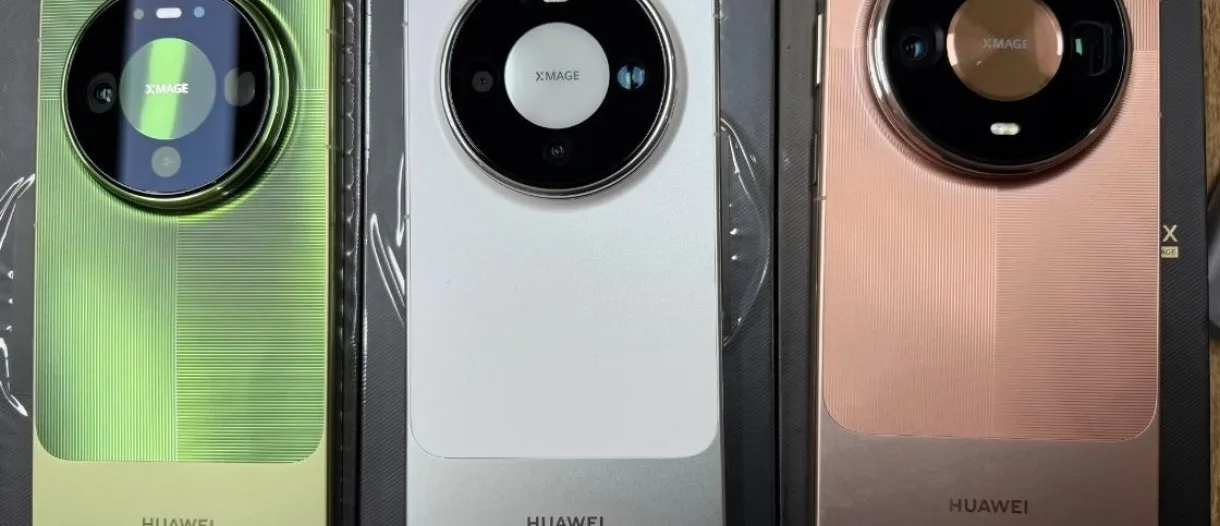
Photo: GSMArenaSource page
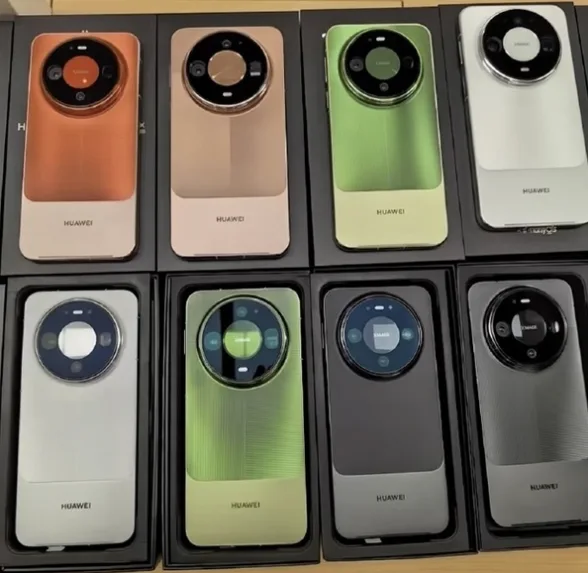
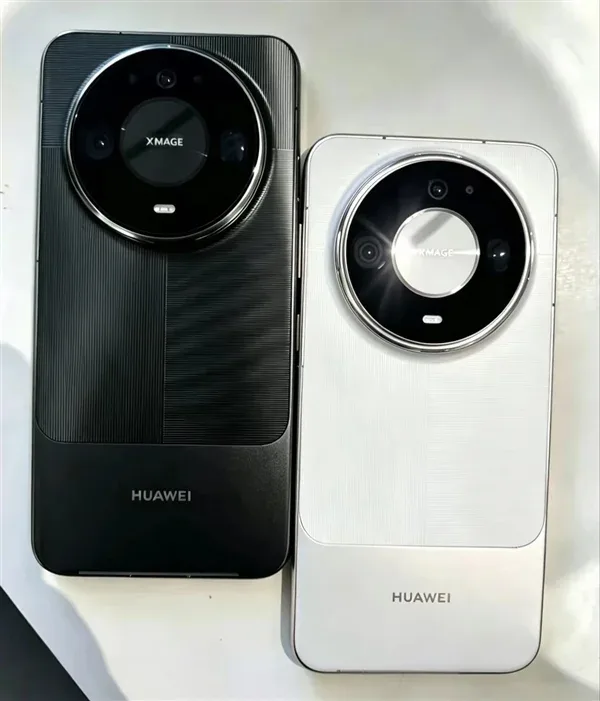
Huawei put Mate 90 on stage in China on Thursday. Che Pan and Eduardo Baptista, Reuters, datelined Beijing 1 October, filed it as a bet on a homegrown chip and an Android-free OS under US curbs. The series succeeds Mate 80, launched in November 2025. Premium models, including Mate 90 Pro Max, use Kirin 9050 Pro, built with a method Huawei calls LogicFolding: wiring stacked in three dimensions instead of a flat layout, denser and faster, and hungrier for wafers. Huawei has not named the foundry. SMIC is widely assumed; it did not comment. HarmonyOS 7, Huawei says, has more than 450,000 apps. There is still no official price in the Reuters file. Monday’s poster lock and Wednesday’s 10:00 / 12:08 clock stay as the earlier briefs.
快科技’s 08:27 recap, after the 10:00 Beijing stream, named five models: standard, Pro, Pro Max, Pro Max Collector’s Edition, and RS Ultimate Design, all on HarmonyOS 7. The chip split is now on a launch card, not a Weibo leak. Standard: Kirin 9030. Pro: Kirin 9035, a clocked-up 9030 Pro, 2.85 GHz against 2.75. Pro Max and above: 9050 Pro — 9-core CPU (3.1 / 2.7 / 2.2 / 1.75 GHz) and a Maliang 955 GPU, 快科技 wrote, and the first phone chip on 韬定律 LogicFolding. Standard keeps a 6.75-inch 1.5K flat panel. Pro and up move to tandem OLED. Pro Max peak brightness, in that recap, is 10,000 nits. Channel price guesses in the same piece are still guesses. Reuters is the line that matters on money: no target yet.
Richard Yu, the consumer-business chief, spoke to reporters on Tuesday, Reuters wrote. Advanced semiconductor capacity in China is “very limited,” and Ascend AI chips draw on the same pool. Smartphone-chip supply is tight even as higher prices have cut handset volumes. Memory added about $200 to the cost of each phone. “We have to increase prices as well, yet at a slower pace.” Eric Xu, rotating chairman, said last month in Shanghai that Ascend 950 supply could not meet domestic demand. Yu said China still runs on DUV lithography; EUV is “valuable,” and manufacturers are still working toward it. More LogicFolding chips will show up in later phones.
I am very pleased to see the launch of a similar product by our peers.
— Richard Yu, Huawei, on Apple’s iPhone Duo, via Reuters, Oct 1, 2026
Yu welcomed Apple’s foldable. Huawei’s share of China’s foldable market, he said, is about 75 percent. Between 10 and 13 September, Pura X Max sales rose 76 percent week-on-week after the Duo launch. Shipments of that book-style phone have topped 1.2 million in China since April. Counterpoint, in the same Reuters file, expects Apple to ship 6 million Duo units in 2026, about a quarter of them in China. IDC: China’s smartphone shipments fell 7 percent year-on-year from January to August; Huawei’s rose 13 percent. Average selling price in China in the second quarter was $543, up 11.3 percent; Huawei’s average fell 14.7 percent to $628. The phones are on shelves the day they were named. The price card is not.