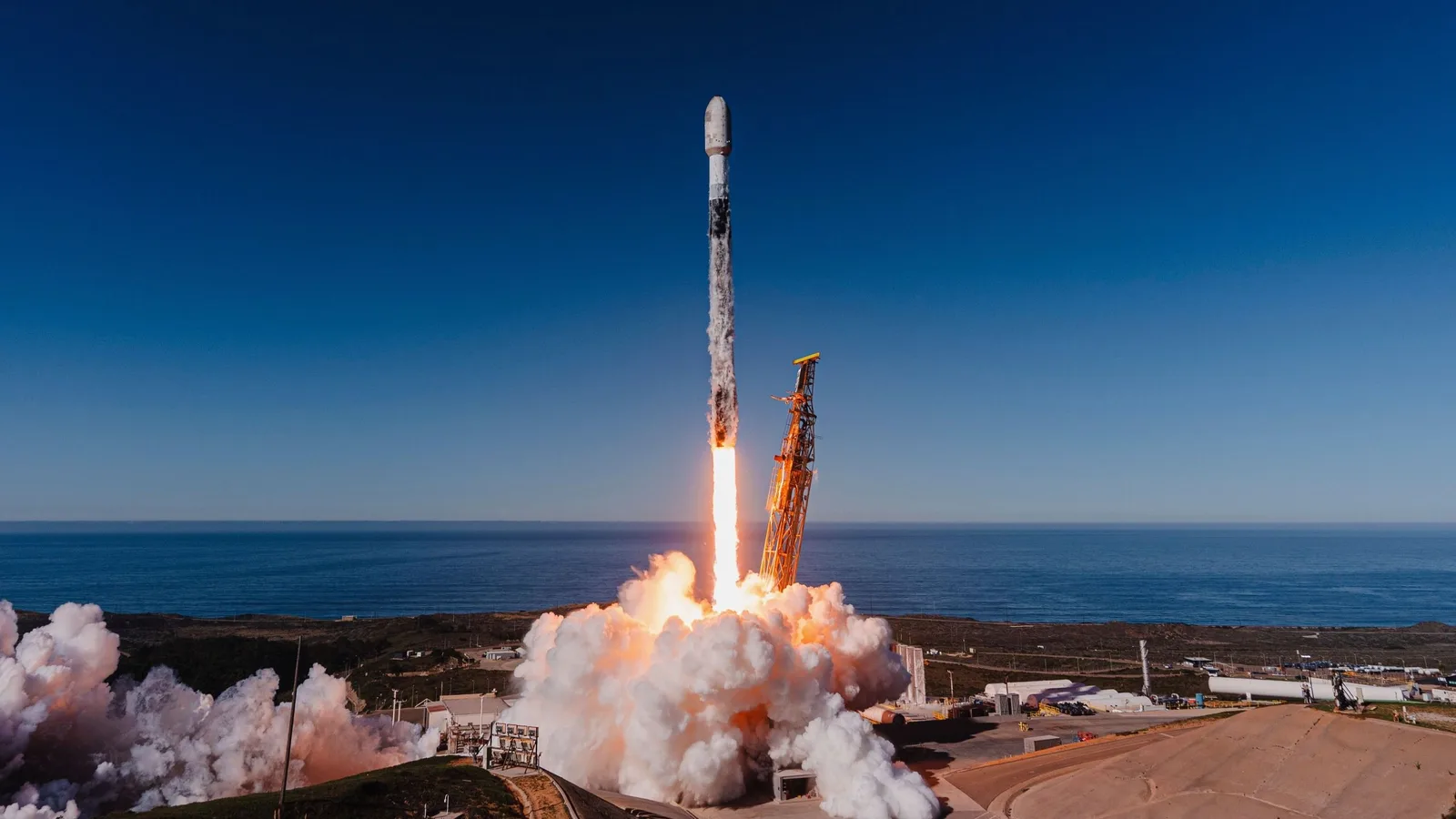
Google will fly a TPU on SpaceX Transporter-18 to test Project Suncatcher
Akash Sriram, Reuters, Sep 24: prototype satellite with Planet Labs next week; radiation, launch loads, heat pipes and radiators. Ground tests at UC Davis. Two laser-link sats planned for 2027. Not an orbital data center yet.
Feature1 minEasy
Eli Navarro1 min read
- Project Suncatcher
- TPU
- SpaceX
- Planet Labs
Photo: Tdorante10 / Wikimedia CommonsCC BY-SA 4.0
Google said on Thursday it will launch a prototype satellite next week for the first in-orbit test of Project Suncatcher, a research program on whether space can host large-scale AI compute. Akash Sriram filed for Reuters from Bengaluru at 1:54 p.m. UTC. The flight is booked on SpaceX’s Transporter-18 rideshare with Planet Labs. The box will carry Google tensor processing units into low Earth orbit. The job is to see whether the chips survive launch, radiation and the temperature swings, and whether they run at all once they are there. SpaceX and Starcloud are already talking about orbital data centers. This mission is not that.
Radiation can flip bits. Google has already run TPUs on AI workloads in a facility at the University of California, Davis. The company says it still needs the real environment. Cooling is the other test: there is no air, so the design uses heat pipes and radiators. Google told Reuters the flight is meant to gather data and find failure points, not to show a working orbital data center. A pair of satellites in 2027 is supposed to try the high-bandwidth laser links a future cluster would need. Experts Sriram spoke to said commercial use is still years off — launch cost, engineering, and how fast anyone can build satellites. The first question is simpler: does the chip come back with useful numbers.