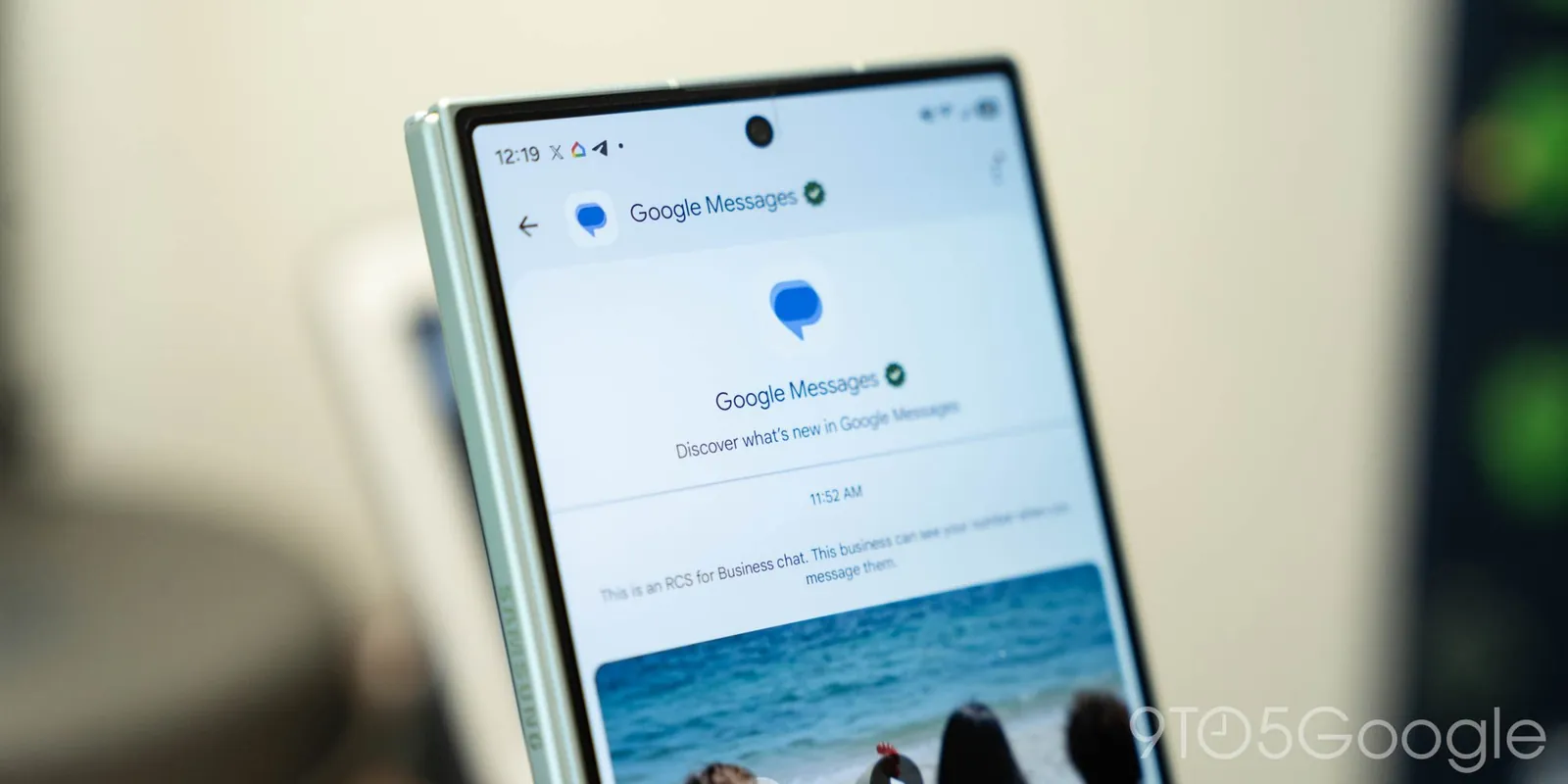
Google Messages’ opt-in scam mode is showing up in Android betas
Abner Li at 9to5Google, 1:47 p.m. Pacific on Friday: Enhanced Protection, which Google said on 14 October would arrive in the coming weeks, is in Messages beta 20261020. Unknown-sender chats can be scored by cloud Gemini inside Private AI Compute. On-device link checks are listed for Pixel 10 phones and the Galaxy S26, Z Flip 8, and Z Fold 8. It is off until you turn it on.
Feature3 minEasy
Priya Shah3 min read
- Android
- Google Messages
- Gemini
- Pixel
- Samsung
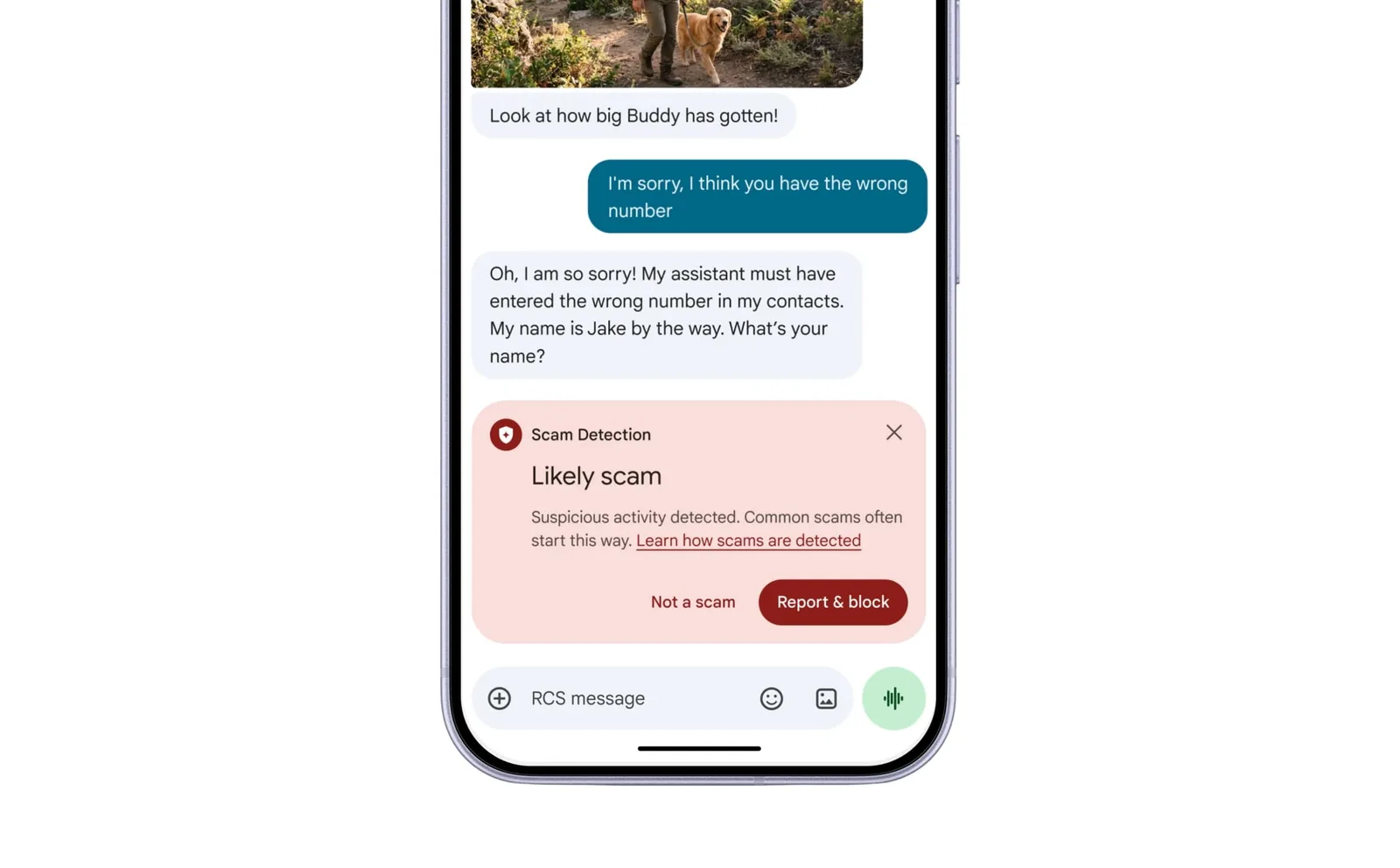
Photo: 9to5GoogleSource page
Google Messages for Android is rolling out Enhanced Protection, an opt-in setting that sends conversations with unknown senders to cloud Gemini models for a scam judgment, Abner Li reported for 9to5Google at 1:47 p.m. Pacific on Friday. Li wrote that the mode is present in Messages beta version 20261020_00_RC00. The setting replaces a single spam toggle with three choices: Enhanced protection, Standard protection, and No protection, the last of which Google marks as not recommended. Standard protection is the older behavior, which blocks spam and suspected harmful links. Google had described the new mode on 14 October and said then that it would roll out in the coming weeks. Friday’s report is the first account that the control is in a beta people can open.
The 14 October post, by Alberto Pastor Nieto and Shaifali Bhandari, splits the mode into three pieces. Scam detection for an unknown sender uses what Google calls its most capable cloud Gemini models, run inside Private AI Compute. Google says the messages are encrypted and processed in a space that is not available to anyone else, including Google. A second piece uses on-device Gemini Nano, plus live web signals, to judge an unfamiliar link before a tap. A footnote limits that link check to Pixel 10 phones and later, the Galaxy S26 series, the Galaxy Z Flip 8 and Z Fold 8, and other selected devices. A third piece redraws the warning on links from numbers that are not saved as contacts, so the pause is longer and the explanation is fuller. Google says that warning used to be limited to some countries or to phones with Android’s Advanced Protection turned on, and a footnote puts the wider version on Android 6 and later once the mode is on.
A Google-funded comparison with the iPhone, of the tools that are already on
The same post makes an Apple comparison, and it is not a test of this new switch. Google says a study it commissioned from Leviathan Security Group, dated October 2026, compared built-in protections that are on by default and cost nothing, on a Pixel 11 Pro, an iPhone 18 Pro, a Galaxy S26, and a Motorola Razr from 2026. Google says Android came out ahead of iOS on the tools in that review, including call screening, fake-call detection, and Circle to Search warnings. Separately, Google and YouGov surveyed 4,500 adults in the United States, Canada, and Australia who had seen a mobile scam attempt and who use Google Messages or Apple’s Messages for at least a quarter of their texting. Google says iPhone users in that survey were significantly more likely than Pixel users to say they had fallen for a scam and to call their phone not effective at all. Those are the sponsor’s readings of a paid study and of its own survey. Enhanced Protection is off unless a person turns it on, so it is outside the “on by default” frame Leviathan used.
Google’s existing scam detection, the post says, already flags more than 5 million suspected scam calls and texts a month in Phone by Google and in Messages. That figure is the company’s, and it describes the system already shipping, not the beta Li saw on Friday. A different expansion in the October post covers scam warnings in chat notifications, which started on Pixel and which Google says it is taking to phones from Honor, Motorola, Oppo, OnePlus, Xiaomi, and others. That is a separate feature from the Messages setting. Li’s test does not say the beta has reached every Android phone that will eventually get the toggle, and Google has not posted a country list for Friday’s build.