Warby Parker’s Gemini glasses start at $395, and Samsung’s 30 designs are 16 variations plus 14
Shahram Izadi’s post, dated 12 November, opens pre-orders for frames that reach stores on 10 December. Samsung’s table the same day prices Gentle Monster from $449 to $489. Nine hours times seven recharges is 63. Samsung’s case figure is 72.
Feature6 minEasy
Eli Navarro6 min read
- Gemini
- Samsung
- Android
- Pixel

Photo: SamsungSource page
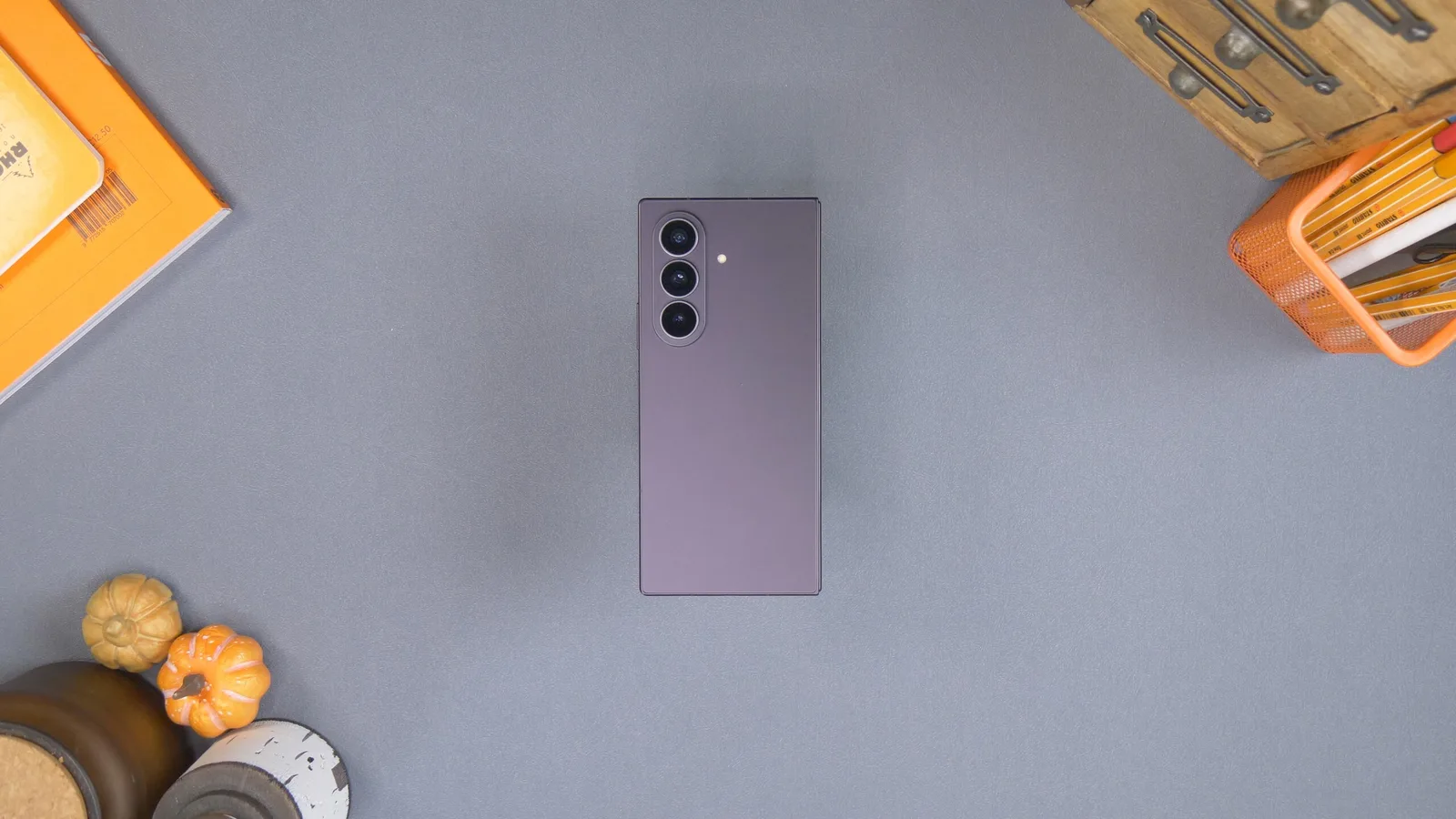
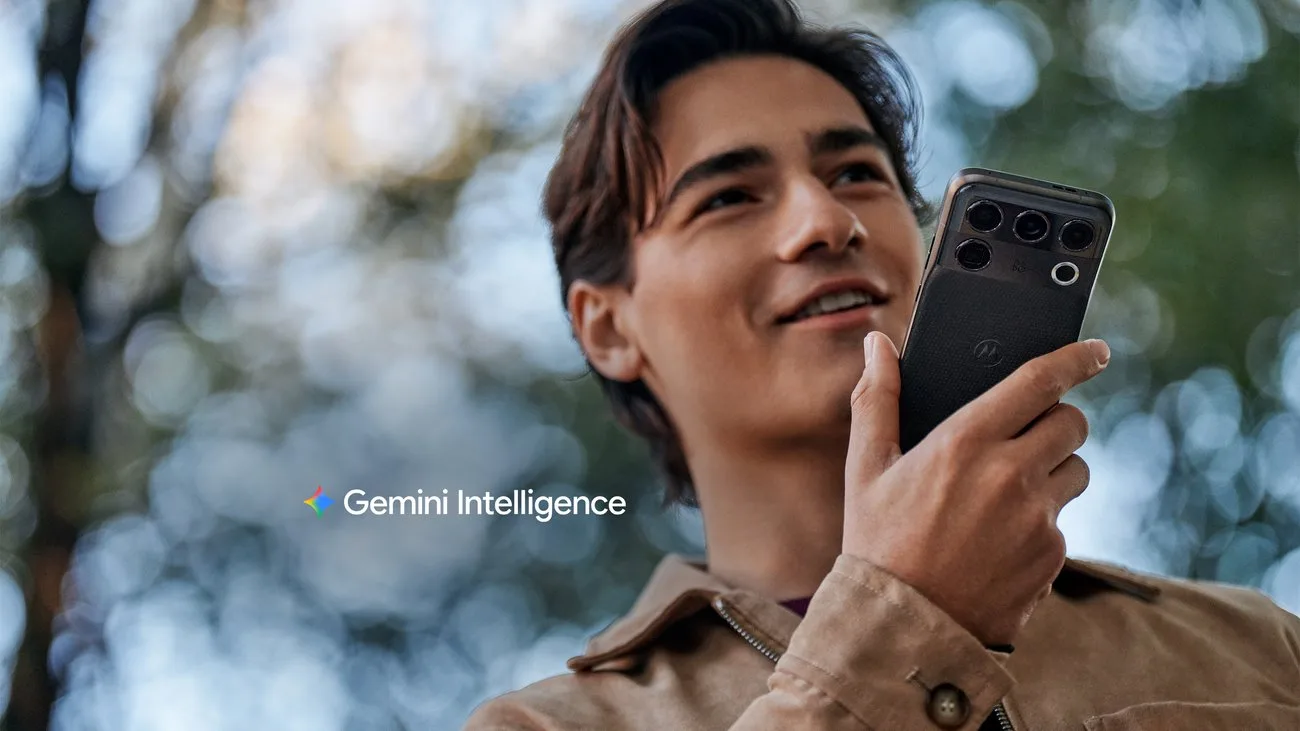
Google and Samsung on Thursday put a price and a calendar day on glasses that run Gemini. Shahram Izadi, vice president and general manager of XR, writes in a post dated 12 November that pre-orders are open for Intelligent Eyewear made with Gentle Monster, Warby Parker and Samsung, and that the glasses are in stores and online on 10 December. Warby Parker’s three styles, Alden, Reid and Wren, start at $395, optical or sun, in Pine, Saddle and Jet Black. Gentle Monster’s six designs start at $449, in dark red, pink, gray and yellow, with tinted, clear, blue or brown lenses, on sale in the United States and South Korea. Samsung’s newsroom post, marked as a US announcement on 12 November, prints a top of the range that Izadi’s post does not. Gentle Monster there runs from $449 to $489, depending on the model. Warby Parker still starts at $395. Ryan Whitwam at Ars Technica, timestamped 9:50 a.m. with no time zone on the page, writes that there are no screens in the lenses, that a wearer starts Gemini by saying “Hey Gemini” or by tapping the frame, and that the starting prices include non-prescription lenses, so the prescription is what will set the final number. Neither company prints a prescription price.
Samsung’s headline count and Samsung’s footnote are not the same inventory. The headline says 30 unique designs. The footnote says Gentle Monster has 16 variations on six frame styles, and Warby Parker has 14 variations on three designs, with a range of widths and lenses. Sixteen plus 14 is 30. Izadi’s post counts the six and the three. Victoria Song at The Verge, timestamped 2:00 p.m. UTC, counts three Warby designs and six Gentle Monster frames, and the same two starting prices, $395 and $449. The 30 is a count of variations. The six and the three are a count of frames.
Nine hours, seven recharges, and a case timed at 72
Izadi writes that the frames weigh around 41 grams, that a battery lasts up to nine hours, and that the case can recharge the frames up to seven times. Both of those battery lines carry a footnote that the figure varies. Samsung’s table is tighter on the weight and looser on the multiplication. Gentle Monster frames run from 39.6 to 43.9 grams, Warby Parker from 40.4 to 42.6, measured in July 2026 on a configuration called GGS002, with standard lenses included and prescription lenses left out. The cases weigh 194.5 grams for Gentle Monster and 166.8 grams for Warby Parker. Battery life is up to nine hours on a charge, and up to 72 hours with a charged case. Nine times seven is 63. Nine times eight is 72. Song writes that the cases support up to seven extra charges, which reads Google’s “seven times” as charges on top of the one already in the frames. The table does not say that is how the 72 hours are counted. Samsung’s footnote says the nine hours are a mixed-use scenario that can include Gemini, music, video, messages and notifications.
The rest of Samsung’s table is hardware Izadi’s post does not list. The processor is Qualcomm’s Snapdragon AR1 Gen 1. Memory is 2GB and storage is 64GB, with the note that preloaded software reduces what is free. The camera is 12 megapixels. Stills are 3,024 by 4,032. Video is 3K at 30 frames a second, or 2K, and HDR video stops at 2K. There are two open-ear speakers and four microphones. The glasses, not the case, are rated IPX4. The network line is Wi-Fi 6E and Bluetooth 5.4. The assistant line reads Google Gemini and Bixby, and the asterisk says Bixby only with Galaxy phones. Izadi’s post does not mention Bixby. It does say a wearer can call up YouTube Music, Spotify or Apple Music, and Audible when the glasses are paired with an Android phone. Samsung describes a split: some of the processing is offloaded to the connected phone.
iPhone 13 Pro in one footnote, and 6GB of RAM in the other
The phone requirement is two sentences. Izadi’s footnote lists Pixel 7 phones and newer on the Android 17 update from September 2026 or later, Galaxy S, Galaxy S FE, Galaxy Z Fold, Flip and Fold Ultra on One UI 9.0 or higher, and iPhone 13 Pro and above. Samsung’s table matches the Pixel line and the Galaxy line, then says iPhone 13 and later with a minimum of 6GB of RAM, on iOS 26.6 or later. Whitwam’s version is iPhone 13 Pro onward, a Pixel 7 or newer, or a Samsung Galaxy S or Z phone on One UI 9, and he writes that a cheaper Samsung or a phone from another maker is left out. He does not print the S FE, the September Android date, or the 6GB floor. Google adds a second gate that is not a phone: the glasses work only with Google accounts from the United States and South Korea, and only with an account for someone 18 or older. Samsung says age verification is required to turn the device on and to download apps. Guided Vision, the audio description for low vision, and the Aira interpreter, who sees the camera feed, are at launch only with a compatible Android phone, Izadi’s footnotes say. Audible has the same Android limit.
The privacy rules are also not one paragraph. Izadi writes that images from Gemini on the glasses are not saved in Gemini History and are not used to train models or to target ads, and that the glasses are designed to redact other people’s faces before Gemini processes the picture. A light comes on when a photo or video is saved to the gallery, and recording is designed to stop if that light is covered or switched off. There is an off switch for the whole device. Data stored on the glasses is encrypted, and it is encrypted on the way to the cloud. Whitwam adds two sentences the Google post does not. He writes that the data is not encrypted on Google’s servers, and that the company says it is working to bring Private AI Compute to the glasses, so that not even Google could read it during processing. He also writes that the terms require a user not to record people without consent or in sensitive places, that Google may turn the glasses off remotely if it finds a breach, that no Play Store app may livestream from them, including YouTube, and that real-time facial recognition is not available.
Song’s hands-on is a check of the face rule, not a second spec sheet. She asked Gemini to identify her video director, Owen Grove, and then a photograph of The Verge’s editor, Nilay Patel. In both cases, she writes, Gemini said it could tell there was a person and could not say who. Juston Payne, Google’s senior director of product management for XR, told her that faces are redacted before they reach the server, and that beam-forming microphones are meant to process the wearer’s voice rather than a conversation nearby. She also writes that a live translation did not ask her to download a language pair first, and that looking at a flyer for a concert in Mumbai produced a calendar entry and a flight lookup. Those are one reporter’s demos. The prices, the 10 December date, and the two phone lists are what the companies printed.