Google marks Gemini’s Computer Use tool generally available on both APIs
The Gemini API changelog for 30 October says Computer Use is generally available on the Interactions API and the GenerateContent API. The docs list four models, call Gemini 3.8 Flash the recommended one, and describe browser, desktop, and an Android-oriented mobile environment. The same page still warns that the tool may contain errors and security vulnerabilities.
Short1 minIn-depth
James Okonkwo1 min read
- Gemini
- Computer use
- Agents
- Android
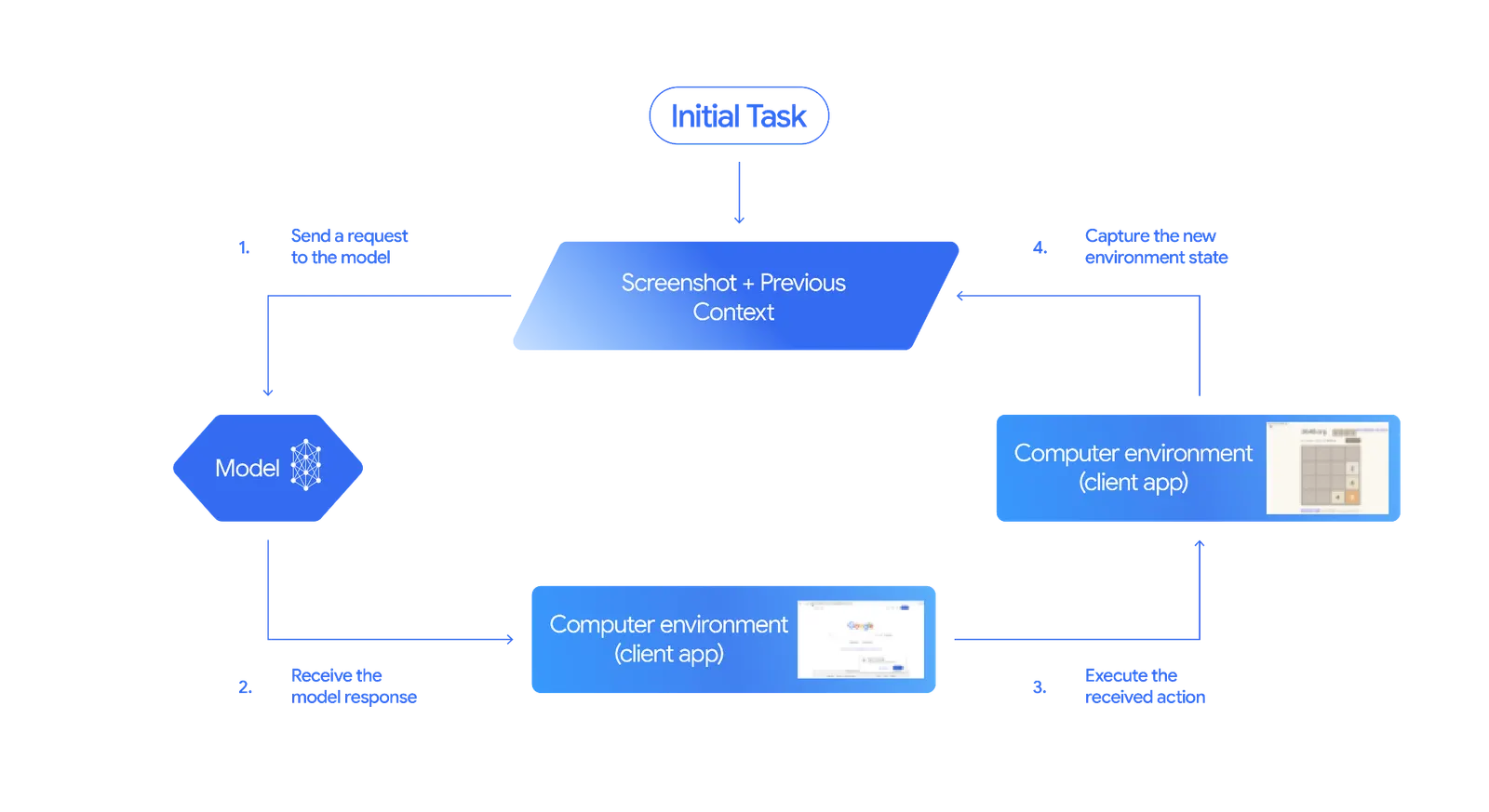
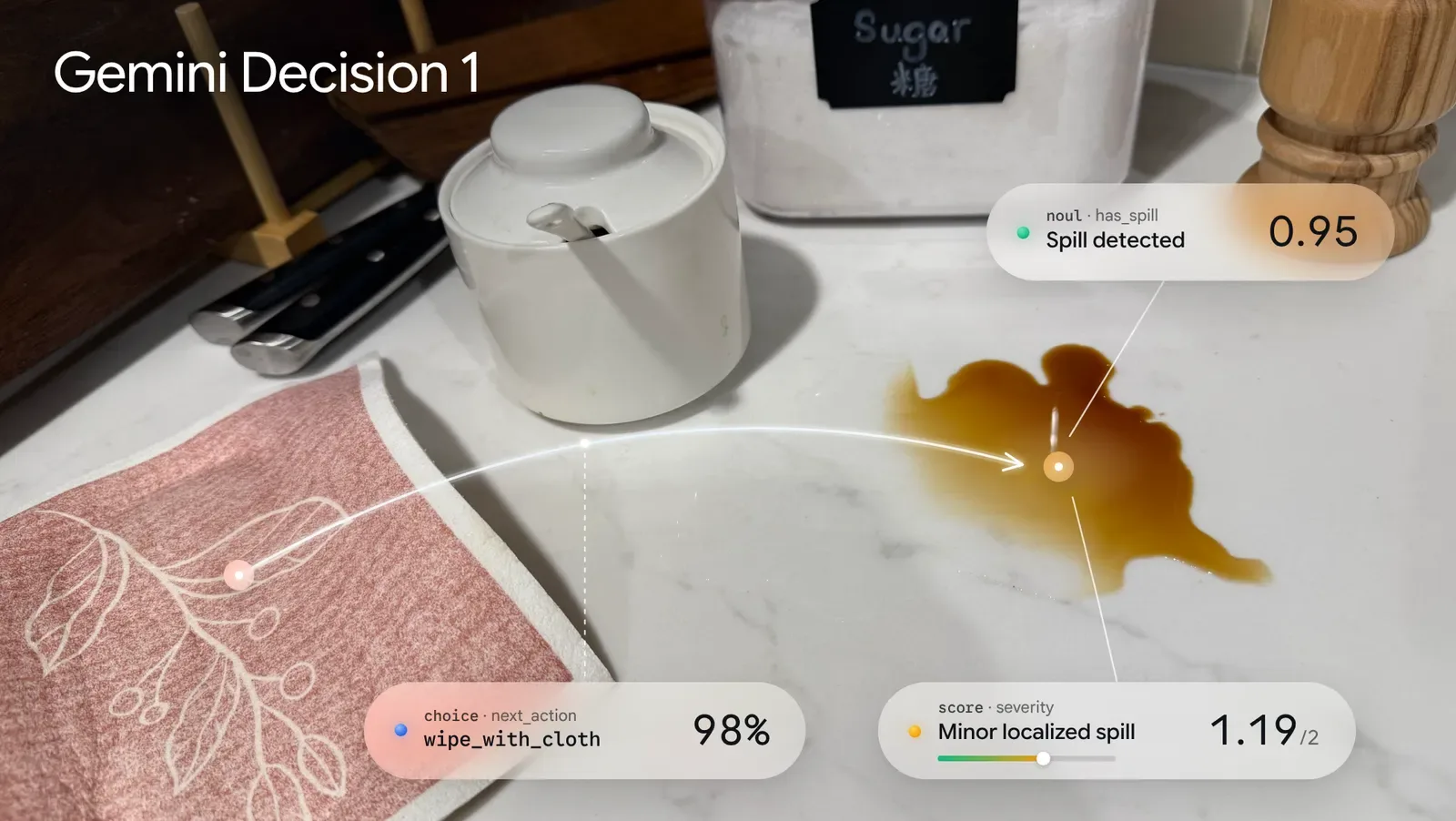
Photo: GoogleSource page
Google’s Gemini API changelog for 30 October says the Computer Use tool is now generally available on both the Interactions API and the GenerateContent API. The same changelog dates a public preview of the tool, on Gemini 3.5 Flash, to 24 June. The documentation page describes what the developer still has to build. The model looks at a screenshot and returns a proposed interface action. The application’s own code executes that action, takes a new screenshot, and sends it back. Google’s examples use gemini-3.8-flash.
The page lists four models. Gemini 4 Argon, gemini-4-argon, is described as the most capable, for complex reasoning and agentic interface work. Gemini 3.8 Flash, gemini-3.8-flash, is the recommended model, which Google credits with high-accuracy interface interaction and reliable tool calling. Gemini 3.5 Flash-Lite, gemini-3.5-flash-lite, is the low-latency, lower-cost option. Gemini 3 Flash Preview, gemini-3-flash-preview, is still labeled a preview model that supports the tool. For Gemini 4 and the Gemini 3.x models, the page says the tool supports three environments: a browser, a desktop, and a mobile environment it describes as Android-optimized. On those models, actions can include an intent field that states why the model chose the step.
A safety check can classify an action as allowed, as requiring confirmation, or as blocked. If confirmation is required, Google says the application should ask the user and, if the user agrees, send that acknowledgement back with the result. If the action is blocked, the client should stop or handle the interruption. The page says safety overrides express a preference, and that the model may still demand confirmation. A note on the same page says Computer Use may contain errors and security vulnerabilities. Google recommends close supervision for important tasks, and says to avoid the tool for critical decisions, sensitive data, or actions where a serious error cannot be corrected. The changelog entry that marks general availability does not repeat that warning, and it does not mention a price.