Gemini 4 Argon opened to the paid API and to Gemini Pro and Ultra
Koray Kavukcuoglu, 13 October: Argon is on the Gemini API, in Antigravity for Ultra, and in the Gemini app and AI Mode for Pro and Ultra. Introductory price stays $2 and $10 per million tokens through 30 November, then $4 and $20. Fairwind is expanding beyond the first defenders.
Feature2 minIn-depth
Priya Shah2 min read
- Gemini
- Argon
- API
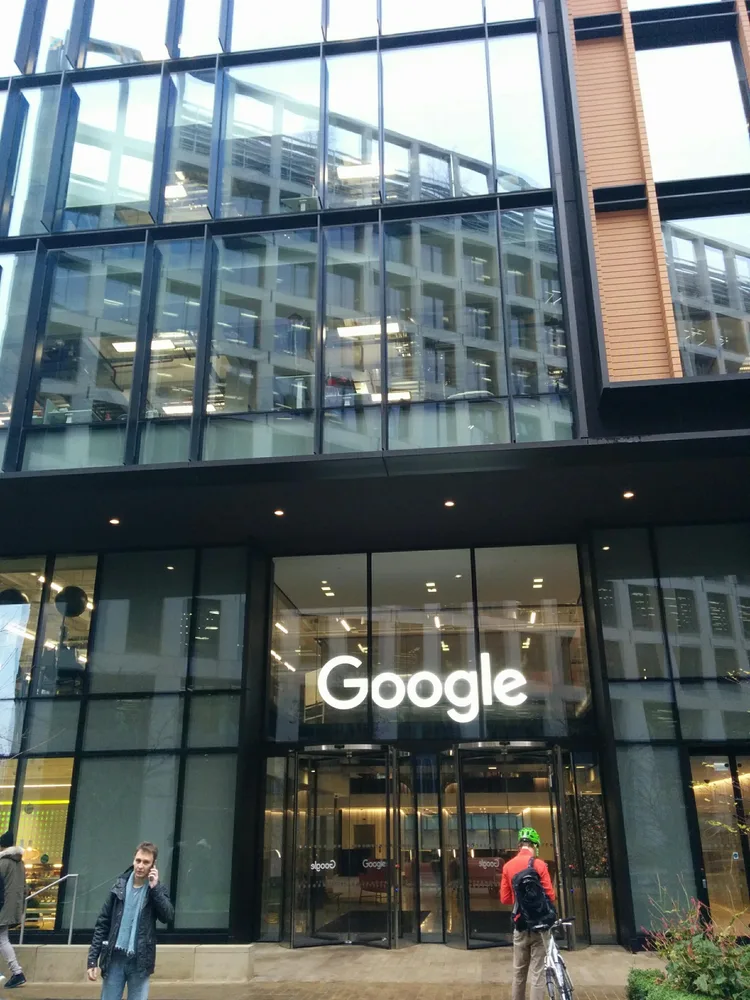
Photo: Gciriani / Wikimedia CommonsCC BY-SA 4.0
The public date Google did not give on 30 September arrived on 13 October. Koray Kavukcuoglu, SVP at Google DeepMind and Google’s chief AI architect, posted that Gemini 4 Argon is globally available for developers and enterprises on the paid Gemini API in AI Studio and the Gemini platform, for Google AI Ultra subscribers in Antigravity, and for Ultra and Pro subscribers in the Gemini app and in AI Mode in Search. The introductory API price is unchanged from the September note: $2 per million input tokens and $10 per million output, cached input at 95 percent off. After 30 November the public Argon price goes to $4 and $20. The September post had the same numbers and no calendar date. This one has the date.
Google’s own engineering claims, which are Google’s, are about agents already inside the company. Argon in Antigravity “helped teams increase agentic code submissions by more than 35 percent while reducing code rollbacks by nearly a third.” On Chrome, it helped split webpage handling out of a legacy folder of about 6 million lines inside Chromium’s 40-million-line tree, work Google says would have taken months and took weeks. On the open-source Agent Development Kit, an overnight run cut in-memory session preparation by 40 percent in long sessions and sped cold imports by 21 percent. Those changes are in google/adk-python, the post says. Fairwind, the cyber programme that had Argon first, is “beginning expansion to hundreds of additional” partners. Wiz, already in, used it on a public file-download bypass that exposed a master key; Google says that closed a path to hundreds of thousands of patient records. Applications are open for 10,000 scientists to get Antigravity’s highest tier free for six months, subject to eligibility and capacity.
The safety section is also Google’s measurement. On coding benchmarks “where models have no incentive to hold back,” shortcut attempts fell to 2 percent, which Google calls its best figure against earlier Gemini models. An automated monitor reads the agent’s step-by-step reasoning and can block a workaround, and Google says it does not penalise those thoughts in training. On Gray Swan’s indirect prompt-injection test, attack success across 15 adaptive attempts was 0.7 percent. External bio red-teaming “could only unlock less than 1 percent of bio sub-tasks we test for.” The 1 million token input-output limit on the API is the same figure as September. What changed on Monday is who can call the model, and until when the $2/$10 rate lasts.