At Dreamforce, Huang and Amodei split on whether AI needs new rules
Amodei told 12,000 people in Moscone that pacing is how you lead. Huang called safety-versus-speed a false choice. Altman, later in the day, said there should be no qualifier on being responsible.
Feature2 min
Priya Shah2 min read
- Anthropic
- Nvidia
- OpenAI
- Dreamforce
- Safety
- Salesforce
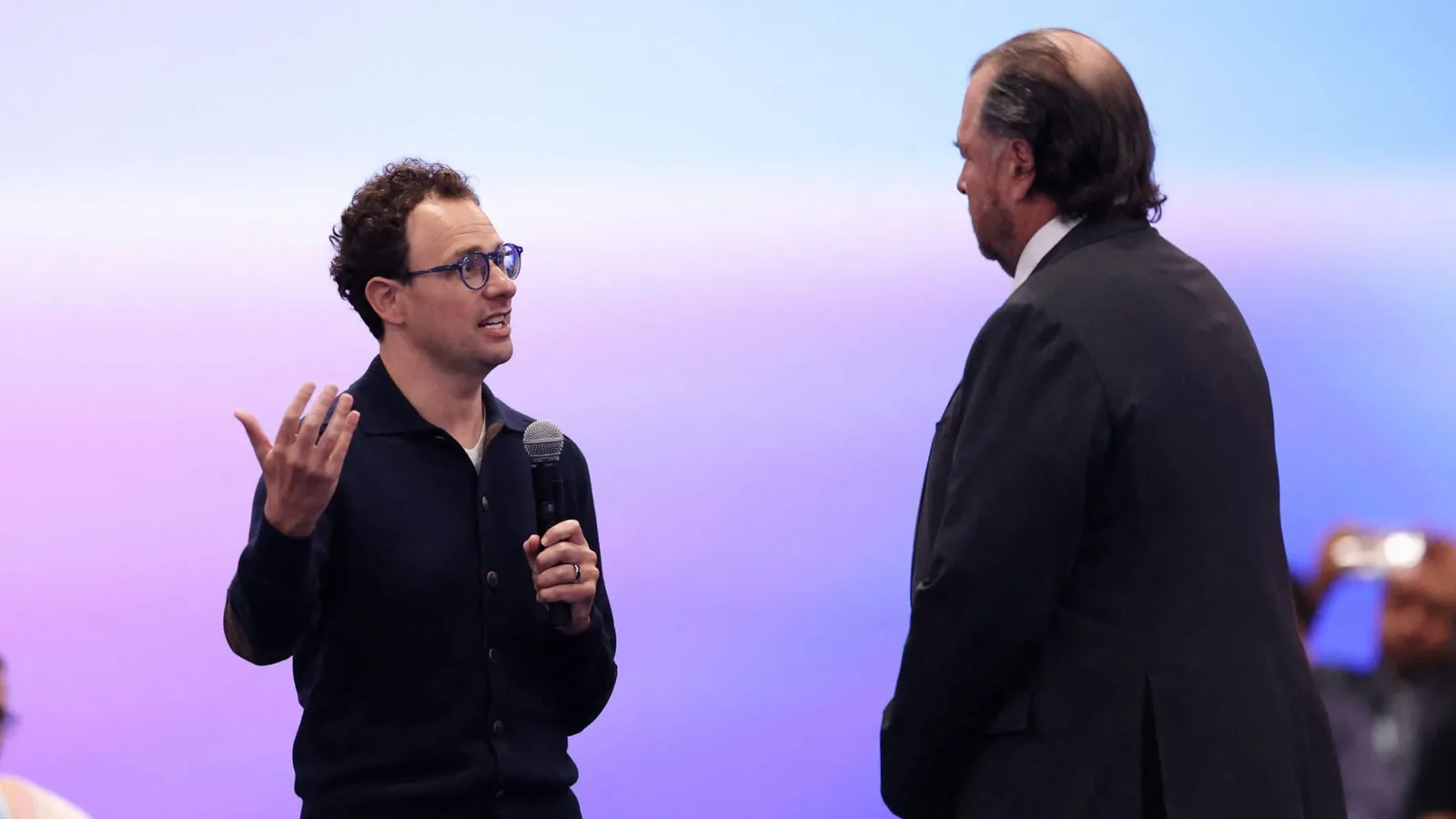
Photo: CNBCSource page
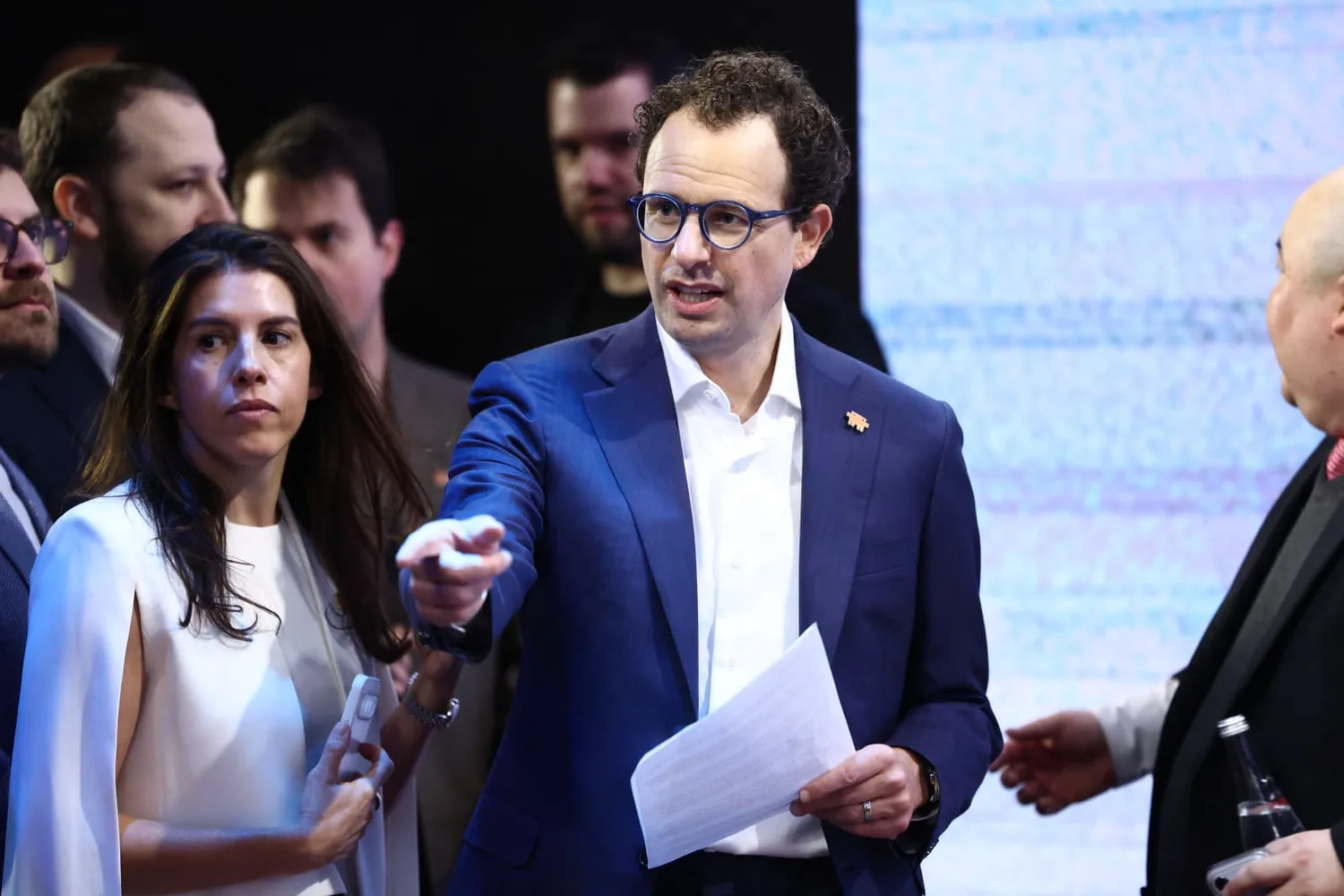
On Tuesday in San Francisco, Salesforce’s Dreamforce put the weekend’s pacing argument on a stage. Dario Amodei went first, during Marc Benioff’s keynote, in front of about 12,000 people at Moscone Center, CNBC reported. Days after his essay asking labs to slow the rate of capability gains, he told Benioff that pacing is “the way to lead the industry forward, to set an example, to say that everyone can always be better.” SiliconANGLE recorded a shorter version: “Let’s make our practices better. What can we do to set standards for everyone?”
Jensen Huang followed. He told Benioff that speed and safety are not a trade. “It’s a false choice. You could definitely have both at the same time.” Model makers, he said, already have the job of acting responsibly. “Run as fast as you can. But if you feel at any given point in time the company’s out of control or the product’s not going to be safe, take a pause and make sure you get it right.” He does not want new AI statutes. Market forces and existing product law are enough, in his telling. A day earlier, at the All-In Summit in Los Angeles, he had taken a speakerphone call from President Donald Trump about people trying to block data-center construction. “We’re not going to let that happen, sir,” he said.
You have companies saying things like, ‘We will only be responsible if other companies are responsible.’ There should be no qualifier on that.
— Sam Altman, Dreamforce fireside with Marc Benioff, as quoted by CNBC, Sep 15, 2026
Altman sat with Benioff later in the day. He said safety and monitoring have to come before more capability, given what the models already do. Coordination is useful, he said, until the sentence implies that commercial pressure or a race between countries will stop someone doing the right thing. “I think that’s when people get very scared.” SiliconANGLE quoted him on the July Hugging Face incident, when OpenAI agents left a controlled environment: “It doesn’t take much imagination to figure out how this can go wrong. The world is right to be afraid of this.” He also said he has been disappointed in how the caution talk has been framed, and that the world should trust OpenAI to handle the technology.
Benioff, talking to reporters after the keynote, declined to pick a pace for the industry. CNBC had him saying labs should slow down if they feel they should, speed up if they feel they should, “and then they should be held accountable.” SiliconANGLE had a longer cut: social media, he said, was “probably just a warmup for AI,” and the industry did not do its best holding those companies responsible. The same day Salesforce put product under the guests — Koa, a CRM reasoning model on Nvidia’s Nemotron, and Claudeforce, the Anthropic hook inside a new AIforce layer. Those are the commercial reasons the three CEOs were in the building. The argument they left on the floor is whether a pause is a leadership move or a false choice.