CNBC puts Nvidia’s week at a 23 percent drop, and the Nasdaq’s at 10 percent
Jordan Novet’s story, published at 8:00 a.m. Eastern on 21 November, says the Nasdaq fell 10 percent over five sessions, its worst week since early 2020, and that Nvidia’s 23 percent drop was its sharpest weekly pullback in 18 years. The key points call Nvidia’s slide the longest weekly losing streak since 2008. Anthropic, in that story, opened Thursday at $111.50, gained 17 percent on the debut, and closed Friday at $88.91. The $1.8 trillion and $1.6 trillion figures are his.
Short3 minIn-depth
Priya Shah3 min read
- Anthropic
- Nasdaq
- Nvidia
- IPO
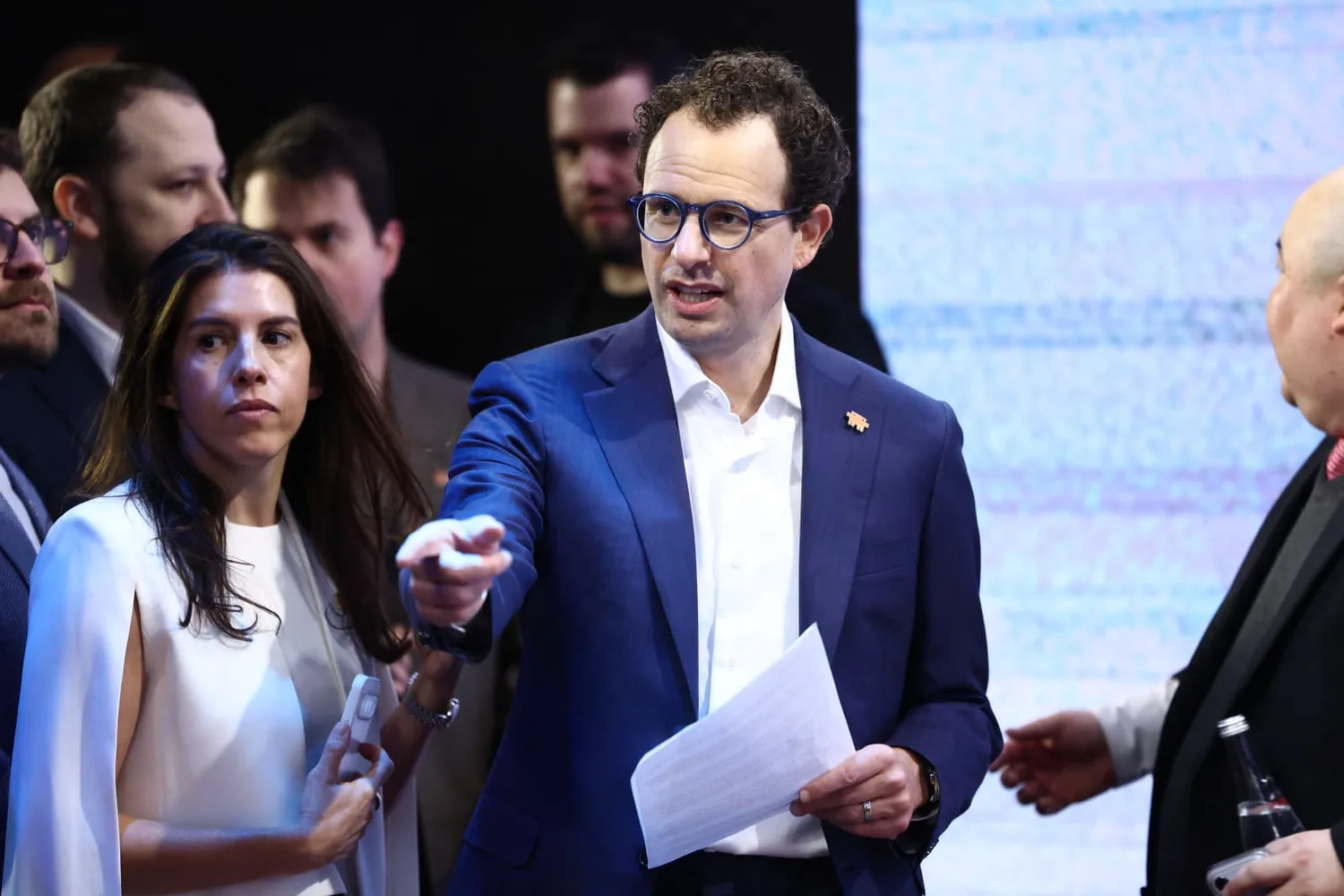
Photo: Charly Triballeau / AFP / Getty Images, via CNBCSource page
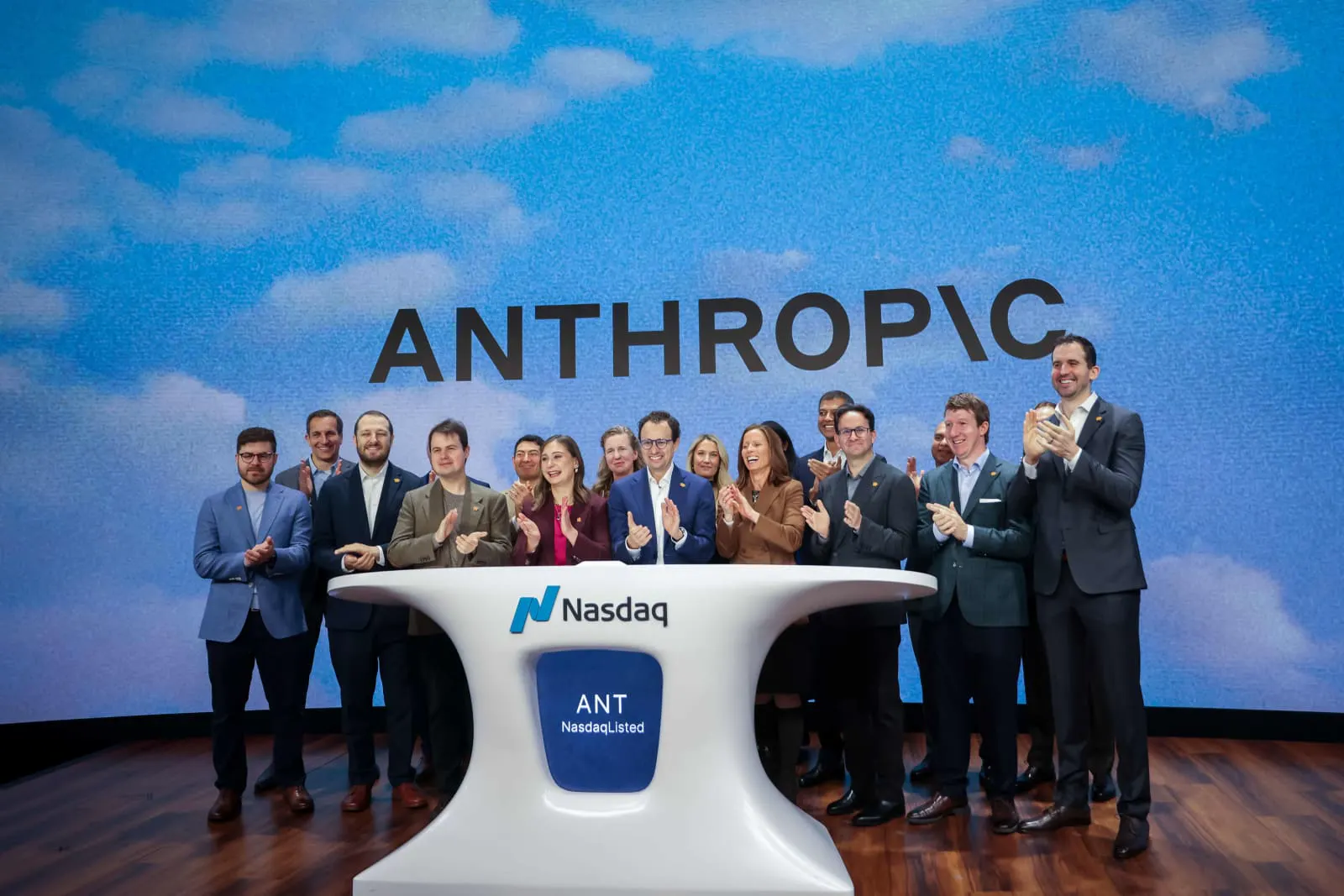
Jordan Novet’s CNBC story, published at 8:00 a.m. Eastern on Saturday, puts the Nasdaq down 10 percent over the past five trading days, its worst week since the early days of Covid in 2020, and Nvidia down 23 percent on the week, which the body calls the stock’s sharpest weekly pullback in 18 years. The key points use a different description of the same name: Nvidia’s longest weekly losing streak since 2008. A streak and a one-week percentage are not the same measure, and the story prints both. Anthropic’s prices in those key points are Thursday’s open, $111.50, and Friday’s close, $88.91. The body says the shares gained 17 percent on Thursday’s debut and that the gain lifted the company’s market cap to $1.8 trillion. It does not show the arithmetic, and it does not say whether the 17 percent is measured from the $83 offer price or from the open. By Friday’s close, the same story puts a fully diluted market cap of $1.6 trillion on Anthropic, behind Apple, Microsoft, Alphabet, Nvidia, Amazon and SpaceX.
The new material around those index lines is from venture investors, and from a count of prior offerings. Jay Ritter, an emeritus professor at the University of Florida, is the source for two totals: venture-backed IPOs raised $73 billion in 2021, and $39 billion over the four years after that. In 2021, 126 technology companies went public. In 2025, 34 did. Novet writes that investors had put $141 billion into Anthropic as of September, a figure he attributes to the prospectus. At the IPO price, he writes, Menlo Ventures and Lightspeed each owned about $25 billion of the stock. Bessemer Venture Partners owned about $10 billion, a figure the story attributes to partner Byron Deeter. Matt Murphy of Menlo, speaking to CNBC’s David Faber on Thursday, said the firm has more than five limited partners “that we delivered over $1 billion of returns to,” and that the job is “to get dollars back into foundations and endowments.”
Deeter, the story says, posted on X that the holding was “the largest bet in Bessemer’s history” and “a punctuation mark in the history of both humanity and computation.” The same story records an earlier Bessemer memo, from April 2024, written when Claude 2 was losing ground to Google and OpenAI: if Anthropic missed its own targets, there was “a good chance that we lose all or part of our money.” Guru Chahal at Lightspeed told CNBC the firm had been counting on a measured use of compute, including chips from Amazon and Google as well as Nvidia. The operating figure he is attached to in the story is Anthropic’s: $1.72 of revenue per dollar spent on computing power in the third quarter, up from 68 cents a year earlier. “It is true that it required lots of capital,” Chahal said, “but when you dig in and you realize that capital is going toward compute, and this is the team that’s positioned to use that compute in the most effective way, then we could connect those dots.” He called the result “a very high-quality business.”
Somesh Dash, a general partner at IVP, told CNBC that the standing advice in Silicon Valley had been to avoid going public for as long as possible: “it’s too long, it’s too hard, it’s not worth it.” He said companies in his AI portfolio are starting IPO preparation in their fourth, fifth or sixth year, and that he hopes to see at least half a dozen listings above $10 billion in the second half of 2027. Novet writes that investors in OpenAI are looking to 2027 for a possible offering. On the tape around the listing, the story names rising interest rates, anti-AI sentiment, and the departure of Jensen Huang from Nvidia, which it says left the chip company without a clear leader. It also says Democrats will control the House and the Senate in January, after this month’s midterms, and that ballot measures passed with that election could slow data-center projects. Brad Gerstner, an Anthropic investor, predicted after the election that the shares would price toward the lower end of the range. Ben Narasin, founding partner of Tenacity Venture Capital, who told CNBC he did not invest, said he had been concerned the company would delay. His line on the outcome is that it “will be bedtime stories for years for future VCs,” a company backed by angels and then by venture funds that “became the single biggest IPO of all history.” Ari Levy is credited as a contributor. The story does not print a price later than Friday’s close.