ByteDance’s Doubao phone assistant ships — and apps get 30 days to refuse the taps
The Nubia NaviX Ultra goes on sale Wednesday with a fingerprint AI key. SAEP is a ByteDance-drafted opt-out for screen automation, not an industry standard. Operate Phone is still Beta.
Short1 minEasy
Eli Navarro1 min read
- ByteDance
- Doubao
- Android
- Nubia
- Agents
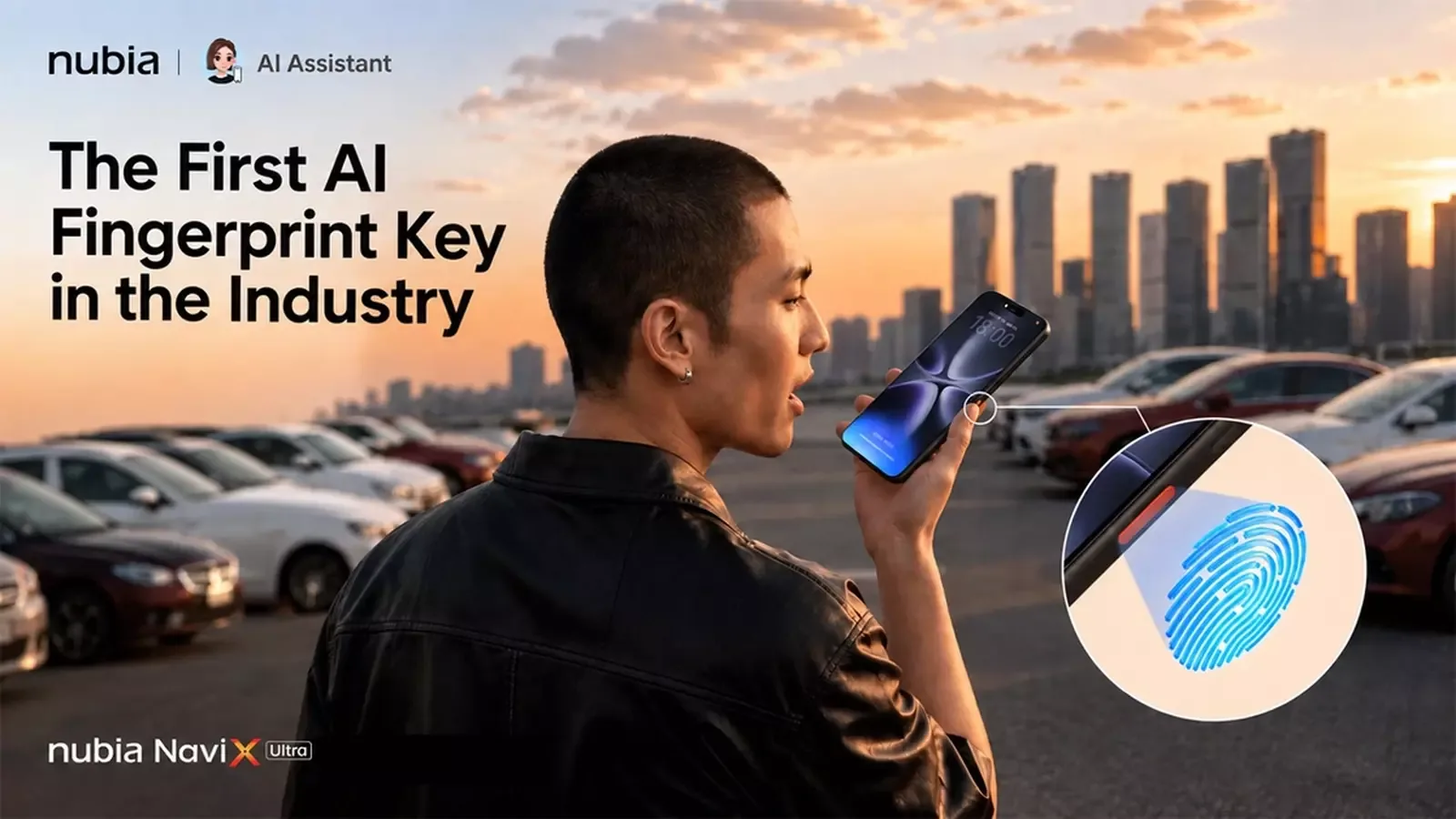
Photo: Gagadget / ZTESource page
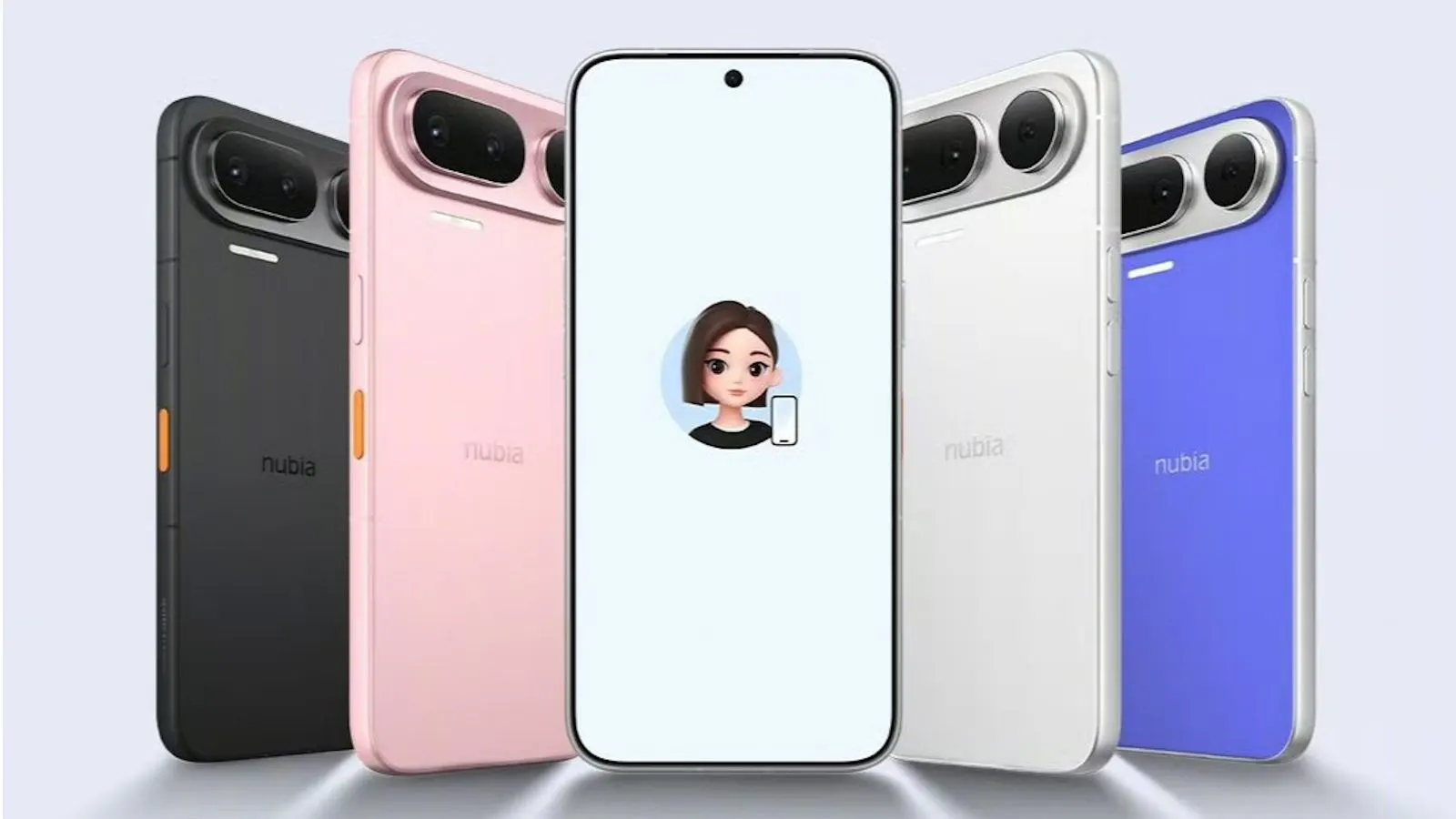
ByteDance released the consumer Doubao phone assistant on Monday, Cocoloop reported. The first device is the Nubia NaviX Ultra, a ZTE collaboration that goes on sale at 14:00 on September 16 in China; preorders are open. Wake-up is voice plus a dedicated AI key that also reads a fingerprint — Gagadget called it the first physical AI button on a phone, orange, on the side. On-device Q&A can talk about what is on screen. Local search covers photos, messages and notes. Cross-app execution is branded “Operate Phone” and tagged Beta. Hardware, per Cocoloop: 7.62mm thick, 7,100mAh battery. Gagadget puts a Snapdragon 8 Elite Gen 5 inside and Changxin LPDDR5X at 10,667 Mbps.
The same day ByteDance published SAEP, the Screen Automation Execution Protocol, with a 30-day comment period. Third-party apps can declare that the assistant may, or may not, drive their screens. Cocoloop’s point is that this is the first formal opt-out for the app being operated — Anthropic’s computer-use and OpenAI’s browser agents never gave the target app a switch. ByteDance has not said who is allowed to file a declaration, whether it is per page or per app, or whether a refusal means the assistant prompts the user or stays out. The protocol is ByteDance’s draft, not a standards body. Operate Phone is Beta. The hardware is China-only for now. Apple’s Siri does not tap through another app’s checkout; this stack does, unless the shop says no.