Apple’s first 2nm iPhone chip, and a $2,000 foldable to spend it on
The A20 Pro debuted at John Ternus’s first iPhone event: dual neural engines, a wider memory pipe, and a vapor chamber that is finally allowed to touch the silicon.
Feature2 minEasy
Eli Navarro2 min read
- Apple
- iPhone
- Chips
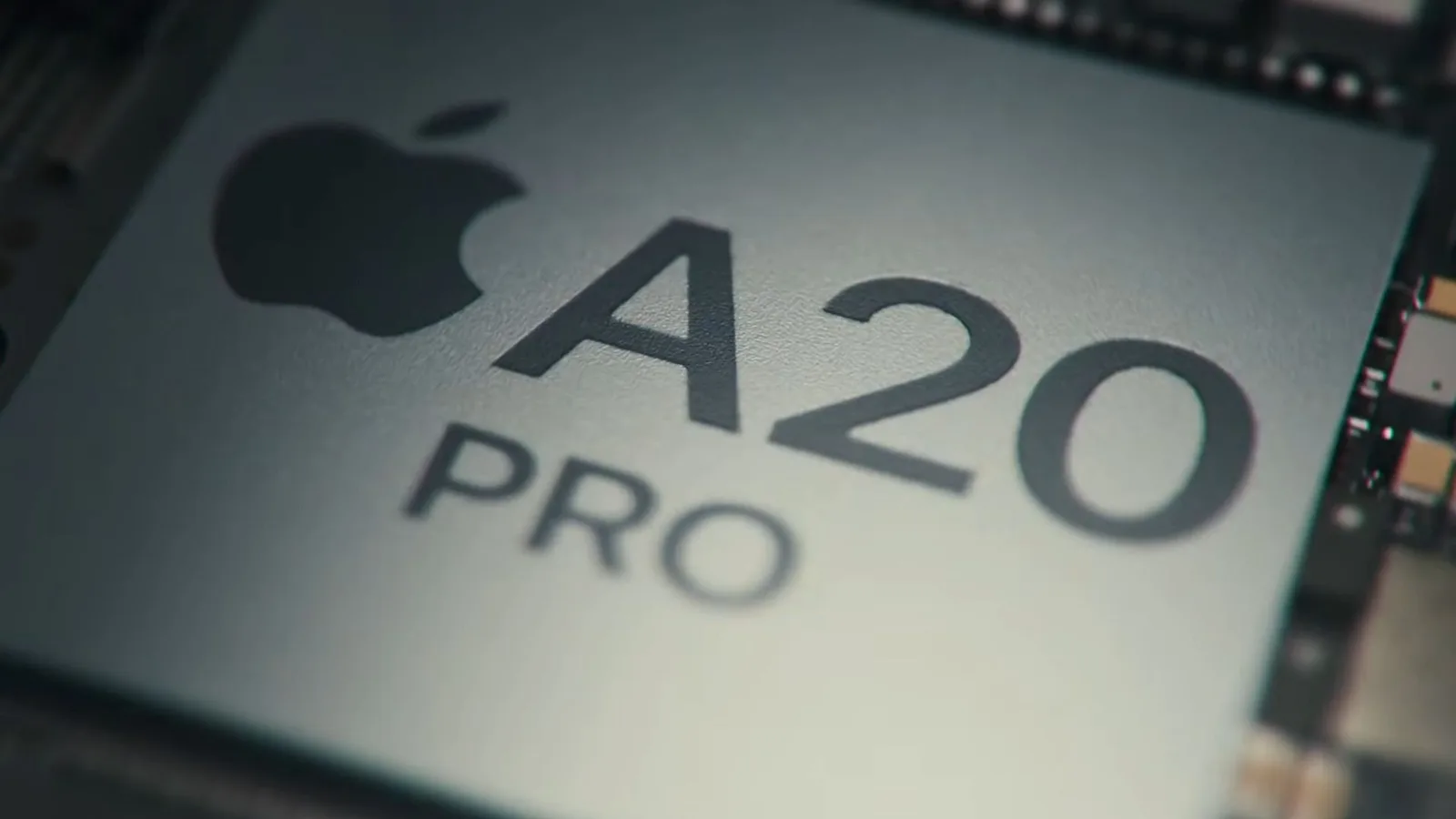
Photo: Tom’s HardwareSource page
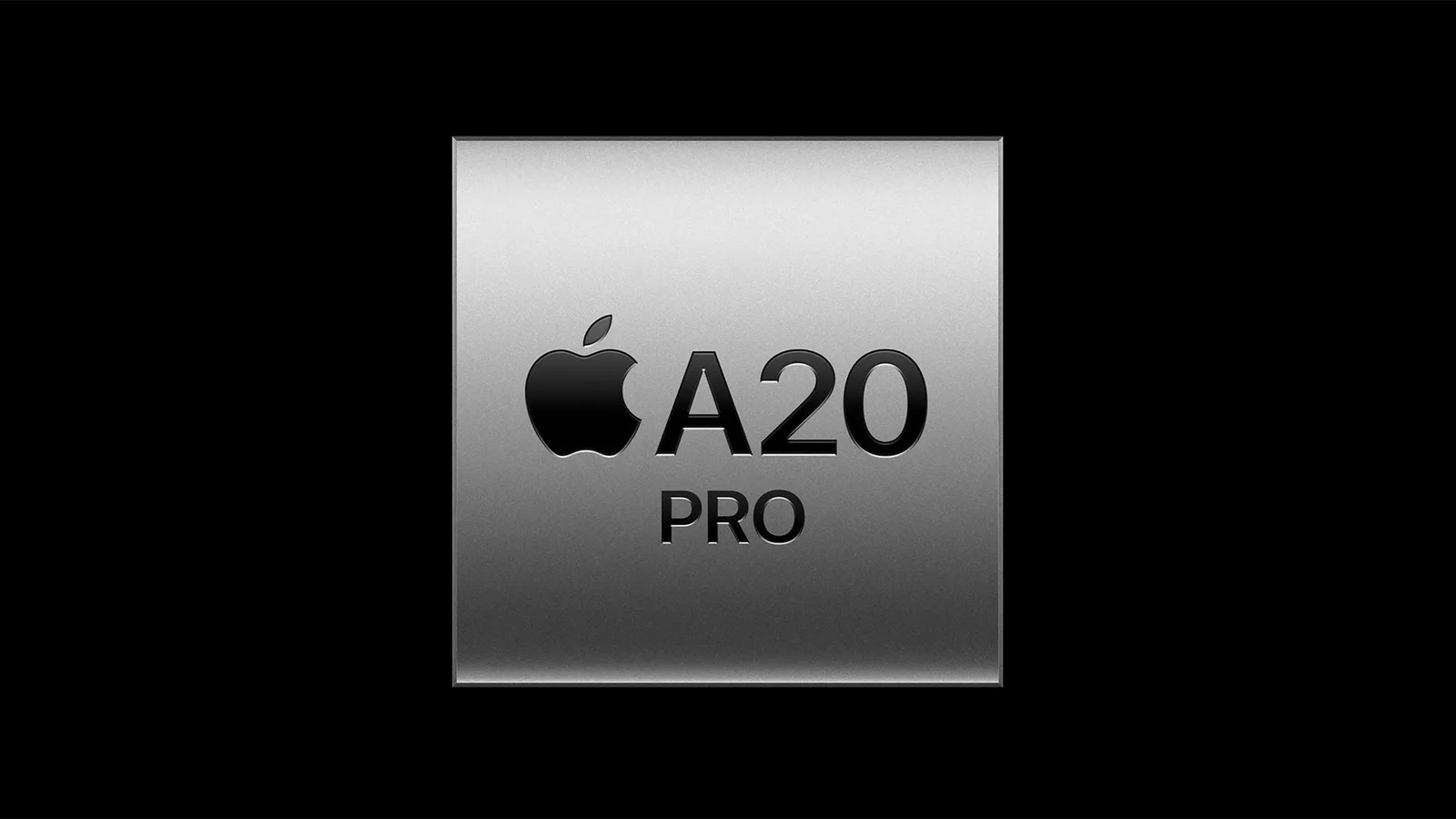
Apple’s first iPhone event under CEO John Ternus introduced the A20 Pro, the company’s first 2-nanometer chip in a phone. (The first Apple 2nm part overall is the M6, announced in August, arriving in Mac mini later this month.) The A20 Pro uses dual neural engines — 32 cores combined — new CPU and GPU cores, and what Apple calls the widest memory interface it has put in an iPhone, with 50 percent more memory bandwidth.
The six-core CPU has two performance cores Apple says are 20 percent faster than last generation, plus four efficiency cores with neural accelerators. The seven-core GPU is claimed 40 percent faster, with neural accelerators that double FP8 throughput. Packaging matters more than the slide: memory is moved out of the thermal path so the die can sit on a vapor chamber with three times the surface area of the 17 Pro. Apple claims up to 40 percent more sustained performance than that phone.
Where the silicon actually ships
A20 Pro sits in the iPhone 18 Pro ($1,199) and Pro Max ($1,299), on sale September 18, and in the iPhone Duo, Apple’s first foldable, at $1,999 for 256GB with pre-orders October 16. The Pros get a new C2 modem — Apple’s, not Qualcomm’s — with faster uploads, less energy, and U.S. mmWave, plus an N1 radio for Wi-Fi 7, Bluetooth 6, and Thread. Battery claims: 24 hours of mixed use on the 18 Pro, 30 on the Max.
The Duo is the awkward, expensive sibling: 7.6-inch inner display, under-screen FaceTime camera, Touch ID instead of Face ID, eSIM only, two batteries that software treats as one, Apple Pencil later this year. It is also the thinnest iPhone Apple has made when open. Whether that is a phone or a $2,000 pamphlet will be a reviewer’s job. The chip story is simpler. Apple finally put N2 in a pocket, and it did it on the same node family as the M6 Macs. The AI features will be whatever iOS 27 can run locally on that pair of neural engines. Buy the phone for the modem and the battery. Treat Apple Intelligence as a software plot that now has more headroom.