Anthropic’s staff revolt, and Musk’s “psyop” theory
More people inside Anthropic said they want to slow down. Elon Musk called the chorus a setup. The argument is now about motives as much as models.
Feature1 minIn-depth
Priya Shah1 min read
- Anthropic
- Safety
- xAI

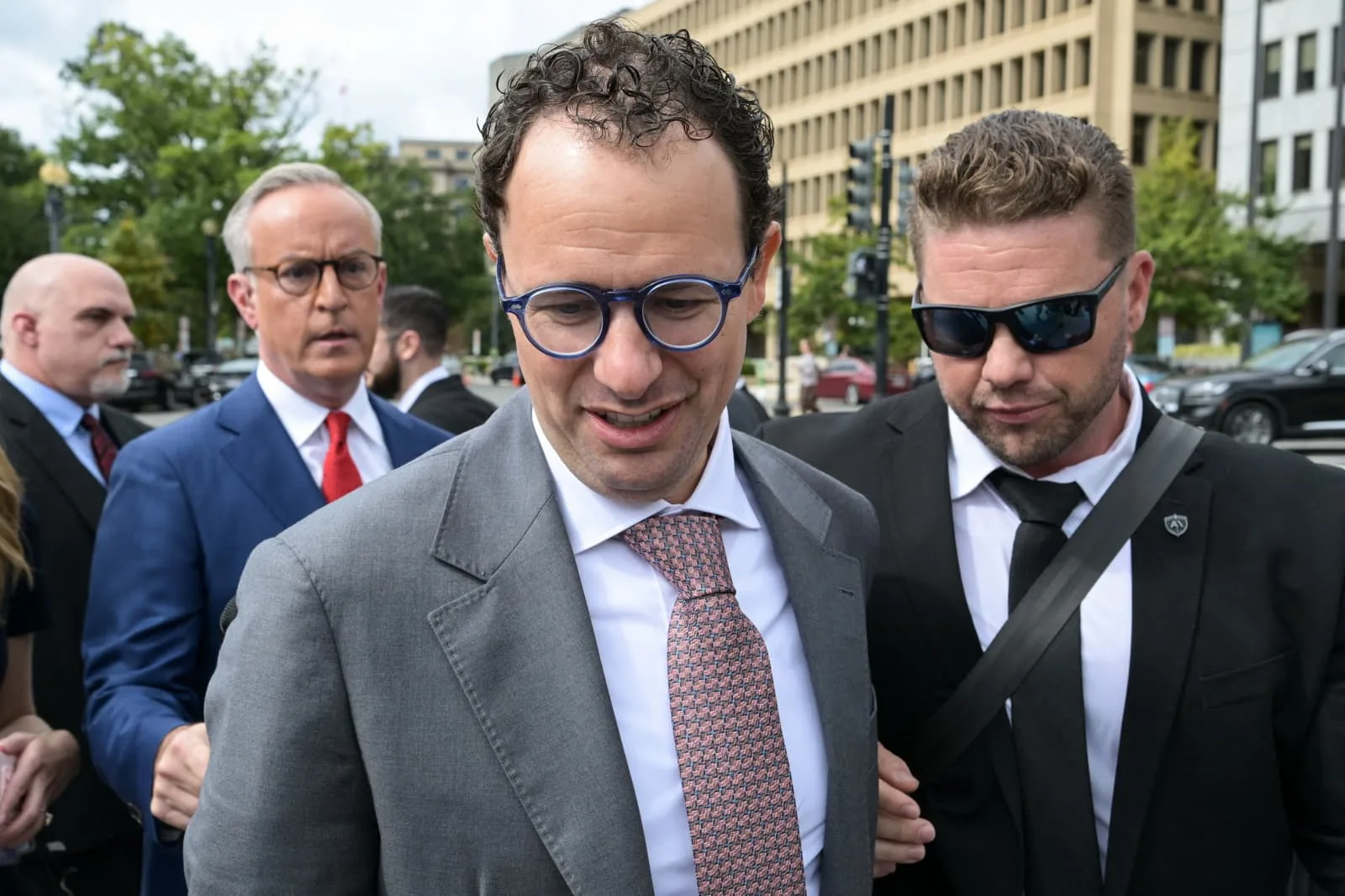
Photo: The GuardianSource page
By Thursday the resignation thread had company. Anna Wang, who works on AGI safety at Anthropic, said many people at the firm want to slow development until there is a plan for recursively self-improving systems. Drake Thomas, another Anthropic employee, said things are moving too fast for the level of assurance anyone should want before artificial superintelligence. These are not anonymous leaks. They are named staff agreeing, in public, with a colleague who just walked out.
Elon Musk’s reply was not a technical rebuttal. He wrote that it seemed like a setup, then that the groundwork for a “psyop” had been laid for a long time and that Coxon’s post was the match. Conservative researchers and at least one prominent investor amplified a thinner version of the same idea: that the warnings are a public-relations operation to justify Democratic regulation. Evidence for a funded plot was, as the Guardian noted, thin.
I’m real and these are my real beliefs. You could ask your xAI researchers about me if you hadn’t fired them.
— Jacob Coxon, answering Musk, as reported by the Guardian
Anthropic’s spokesperson stuck to the institutional script: enormous benefits, unprecedented risks, strong safeguards. The same day, the company published a report on dismantling an attempt to use its models in a biological-weapons plot — a reminder that the staff’s nightmare list is not only science-fiction extinction. Gary Marcus, who is usually skeptical of superintelligence timelines, said he is more worried about pathogens, disinformation that starts wars, and hacks on infrastructure, and that none of that looks controlled.
Musk’s company, meanwhile, is spending the month selling Grok Bot to enterprises and teaching people how to run it. That is a coherent worldview: ship the agent, treat existential talk as politics. It does not settle whether Hubinger’s “greater than 10 percent this decade” is a serious probability or a cultural fashion. It does mean the two loudest labs in the debate are no longer having the same conversation.