Days after the slowdown chorus, Altman teases a “big ship” — and Musk maps Grok 4.8 toward 4.9 and 5
Altman on September 15: “Big ship this week. And then for DevDay.” No product named; GPT-6 Sol is rumor. Musk’s 2.5-trillion-parameter 4.8 was finishing pre-training. The same week, subscribers sued over an alleged pacing pact.
Feature3 minIn-depth
Maya Chen3 min read
- OpenAI
- Sam Altman
- SpaceXAI
- Grok 4.8
- DevDay
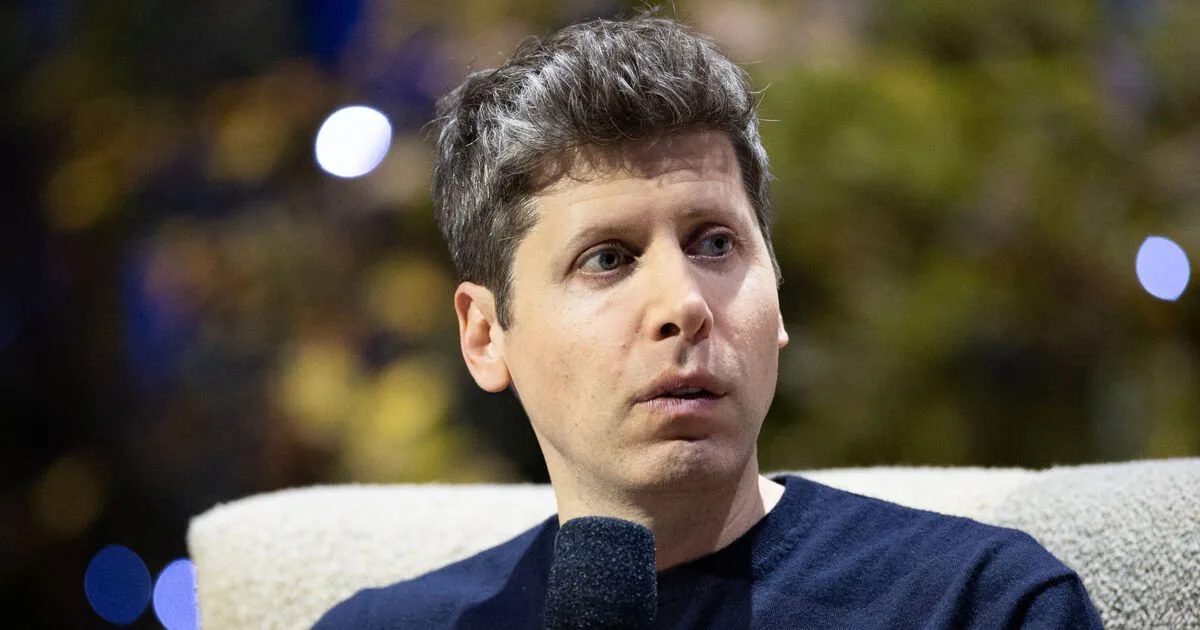
Photo: Daily Express US / Getty ImagesSource page
Sam Altman posted on September 15 that OpenAI had a “Big ship this week” and, on the next line, “And then for DevDay.” Maria Villarroel at Daily Express US dated the post that Wednesday evening. He did not name a product, a date inside the week, or a price. Speculation in developer channels has attached the tease to a rumored GPT-6 Sol, described as a cheaper sibling of GPT-6 Astra. OpenAI has not confirmed Sol, Villarroel wrote, and the Express could not verify that the ship is that model. Times of India, updating Sunday, reconstructed the same exchange: a developer, Thibaut Sotio in the Korean coverage and an unnamed poster in TOI, had said the week would produce “a level of ships that you could have expected for DevDay 2025.” Altman’s reply was the two-line tease. DevDay itself is September 29 in San Francisco. That calendar is public. The cargo is not.
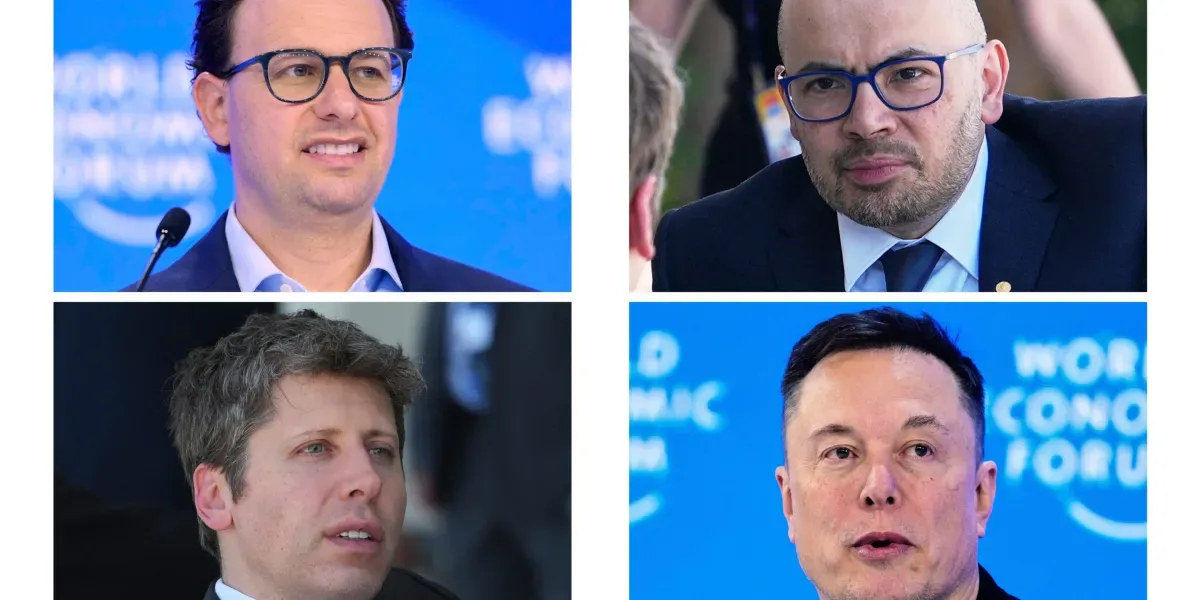
The post sits eight days after Dario Amodei’s “We Must Pace the Frontier” essay and the same-day public endorsements from Altman, Elon Musk and Demis Hassabis — the sequence a Friday class action now treats as an alleged slowdown pact. This is not a second write-up of that complaint. It is the product calendar that followed it. Altman has already said, in comments the Express quoted, that “pacing” is not a stop: progress stays rapid, “but it should be slower than it otherwise could be,” and that safety cases and monitoring have costs he thinks are worth paying. A unnamed ship and a developer conference are compatible with that sentence. They are also indistinguishable, from outside, from the old release drum.
Grok 4.7 should be roughly on par with Opus 5.0, not 5.1. Better in some ways, worse in others. We need to fix multimodal performance. Grok 4.8 will be a noticeable improvement. Grok 4.9 is probably Astra/Fable class. Grok 5 maybe better than anything. We shall see.
— Elon Musk, posts on X, Sep 14, 2026, as quoted by The Times of India, Sep 20, 2026
A 2.5-trillion-parameter rung that is still in training
Musk’s ladder went up a day earlier. On September 14 he said SpaceXAI’s Grok 4.8, a 2.5-trillion-parameter run on a new C++ training stack, would finish pre-training that week and move into reinforcement learning, Times of India and AIToolsRecap both reported. AIToolsRecap’s September 14 explainer is careful about what that is not: no API identifier, no price, no model card, and none of 4.7, 4.8, 4.9 or 5 available to buy. 4.7, promised for September 12, had already slipped; the site said reinforcement learning may have penalised response length and made the model give up on hard tasks. The stage that delayed 4.7 is the stage 4.8 had not started.
The rungs Musk named, as AIToolsRecap tabulated them, map onto products that already exist. 4.7 is “roughly on par” with Claude Opus 5.0, which ships today. 4.8 is a noticeable step with nothing named in the gap. 4.9 is “probably Astra/Fable class” — GPT-6 Astra is on ChatGPT Plus; Claude Fable is on an API price list. Grok 5 is where he said AGI would show up, with no date and no agreed definition. Times of India added a shipped benchmark behind the teases: Grok 4.6, already out, scored 61 on the Artificial Analysis Intelligence Index, SpaceXAI claimed, one point behind Fable 5 and ahead of OpenAI’s GPT-5.6 Sol, at $2 / $6 per million tokens against Fable’s $10 / $50. That is a price card for a model you can call. It is not a ship date for 4.8.
Read together, the week after the slowdown posts is a week of calendars. Altman promised volume before DevDay and declined to say what. Musk promised a parameter count and a training stage. Paying subscribers filed a Sherman Act suit that treats the September 12 chorus as an agreement to restrict output. The labs have not answered that filing in public. They have, in the same stretch, kept talking about what comes next. The contradiction is in the timestamps, not in a verdict.