SoftBank’s disaster texts stay off through Monday as Japan plans an AI team to probe its own systems
SoftBank’s notice, from 6:47 a.m. Friday in Japan: emergency earthquake, tsunami, and evacuation messages are suspended for SoftBank, Y!mobile, and LINEMO while it patches a PHP flaw, with the work expected to finish on Monday. Reuters on Friday: Industry Minister Ryosei Akazawa said the country will use AI to simulate attacks on its own systems. NHK says the team is planned for November. The PHP fixes went out on Wednesday. The developers told users to update immediately.
Feature3 minEasy
Maya Chen3 min read
- SoftBank
- PHP
- Japan
- Phones
- Cyber
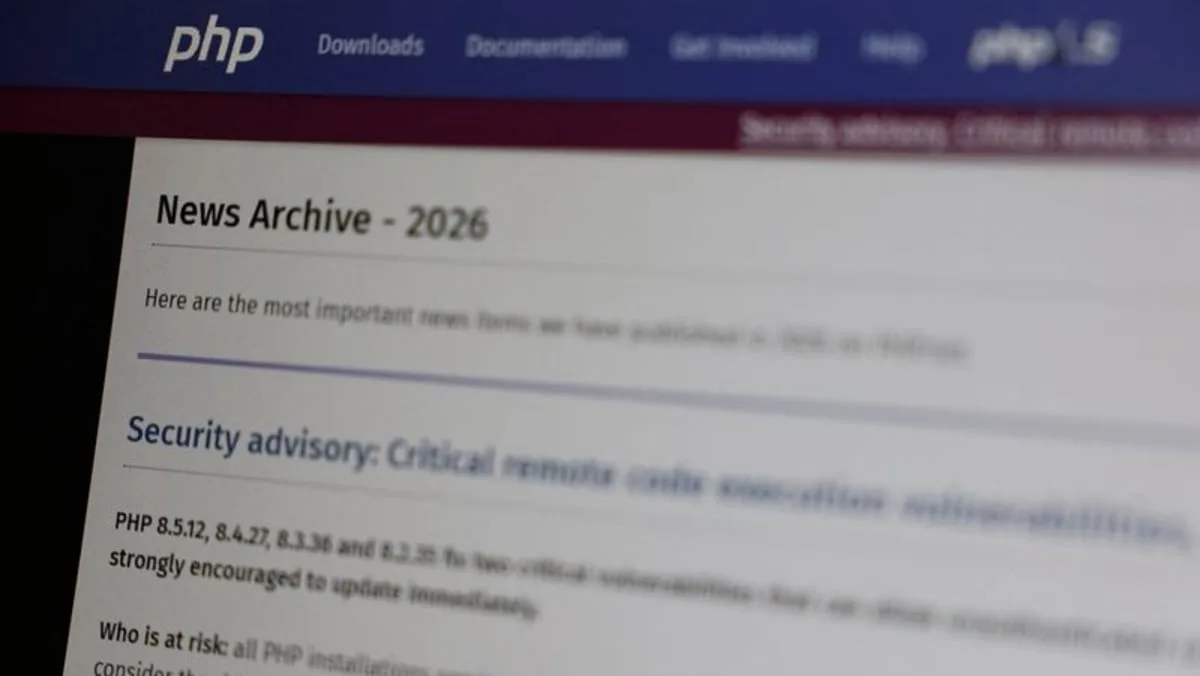
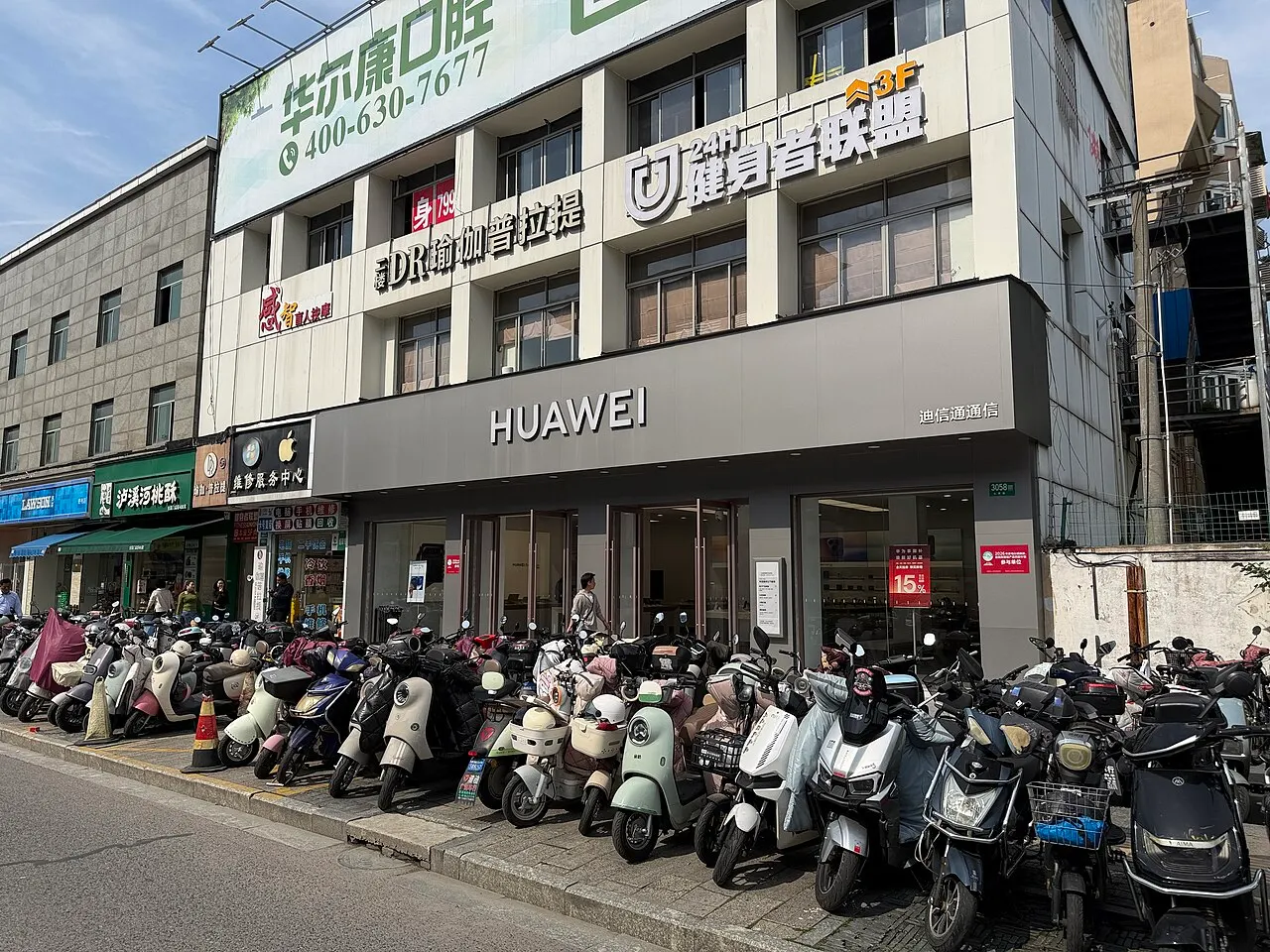
Photo: Vincent West / Reuters, via CNASource page
Customers on SoftBank, Y!mobile, and LINEMO are not receiving emergency earthquake, tsunami, or evacuation texts, and SoftBank says the suspension runs until a PHP fix is finished, which it expects on Monday. The company’s notice, posted Friday, says emergency maintenance to address a vulnerability in PHP began at 6:47 a.m. Japan time on 23 October, and that during the work those three brands will not deliver the early earthquake warning, the tsunami warning, or disaster and evacuation information by the emergency-alert message. SoftBank asks customers to use another service that can receive those warnings, and names the Yahoo! disaster-alert app. It says it will announce when the maintenance is done. The notice does not describe the flaw, and it does not say whether any alert was missed before the switch was thrown.
The same Friday, Industry Minister Ryosei Akazawa said Japan will set up a team to simulate cyberattacks with AI and look for weaknesses in technology systems, Reuters reported from Tokyo. Channel NewsAsia carried the wire. The Japan Times ran that account on Saturday. Government and company sites around the world went offline this week, Reuters wrote, after the disclosure of critical vulnerabilities in PHP prompted millions of hacking attempts and operators rushed to patch or to shut systems temporarily. Akazawa’s line, in the Reuters copy, was: “An attack can succeed by getting through just one hole … for that reason it’s important we shift our mindset and think from the perspective of the attacker.” He added: “Defenders also need to make use of AI and respond proactively, staying one step ahead.”
A November team, and a warning that went out on Thursday
NHK’s account is more specific about the unit and less specific about the method. It says Akazawa plans to set up a team of white-hat hackers in November, based in the ministry’s Innovation Platform Agency, which monitors cybersecurity, and that they will reportedly use AI to test companies’ systems for vulnerabilities. The initiative, NHK writes, follows a series of online attacks this year on Japanese companies and other organizations. On PHP, Akazawa told reporters: “We need to act promptly as PHP is used in many websites and the impact could be extensive.” NHK says he alerted about 1,000 business groups on Thursday to limit the damage. Reuters’ story does not name the agency or the November date. The two accounts agree on the minister, the day, and the decision to use AI on the defensive side.
The outages Reuters lists are not limited to the phone alert. Brokerage Nomura, lender Mitsubishi UFJ Financial Group, airline ANA, and East Japan Railway temporarily suspended some internet services. So did Japan’s Ministry of Finance, the National Tax Agency, and the Meteorological Agency. Reuters describes emergency shutdowns from Tokyo to Helsinki of banking, airline, rail, tax, and government services. On Friday, JR East said some group services had resumed and others would return once they were confirmed safe. Nippon Paint said it had applied a security patch as a precaution and that its website was back. Eva Chen, chief executive of Trend Micro, told Reuters that attackers are likely interested in the detailed records Japanese companies keep, and that AI removes a language barrier that once made those targets harder to pursue. She also said Japan had been too comfortable with infrastructure it believed was safe enough.
The patches themselves are three days old. Reuters says the developers of PHP released fixes on Wednesday for vulnerabilities that had sat in the software for years until they were uncovered using AI, and that they urged users to update immediately. The wire does not name the researchers, the versions, or a count of how many systems have installed the fix. SoftBank’s window runs through Monday. Until that notice changes, the earthquake and tsunami texts on those three brands stay off, and the substitute is an app.