Korean papers split on the chip inside the Galaxy S27 Ultra
Seoul Economic Daily: Samsung found the Snapdragon 8 Elite Extreme Gen 6 overheating in S27 Ultra tests and set a mid-October deadline, with Exynos 2700 as the fallback. Qualcomm calls that account inaccurate. MoneyToday and The Today say Samsung has already dropped Exynos for the Ultra and will ship Snapdragon only, citing memory costs and supply. Samsung has not confirmed either version.
Feature4 minIn-depth
James Okonkwo4 min read
- Samsung
- Galaxy S27
- Snapdragon
- Exynos
- Android

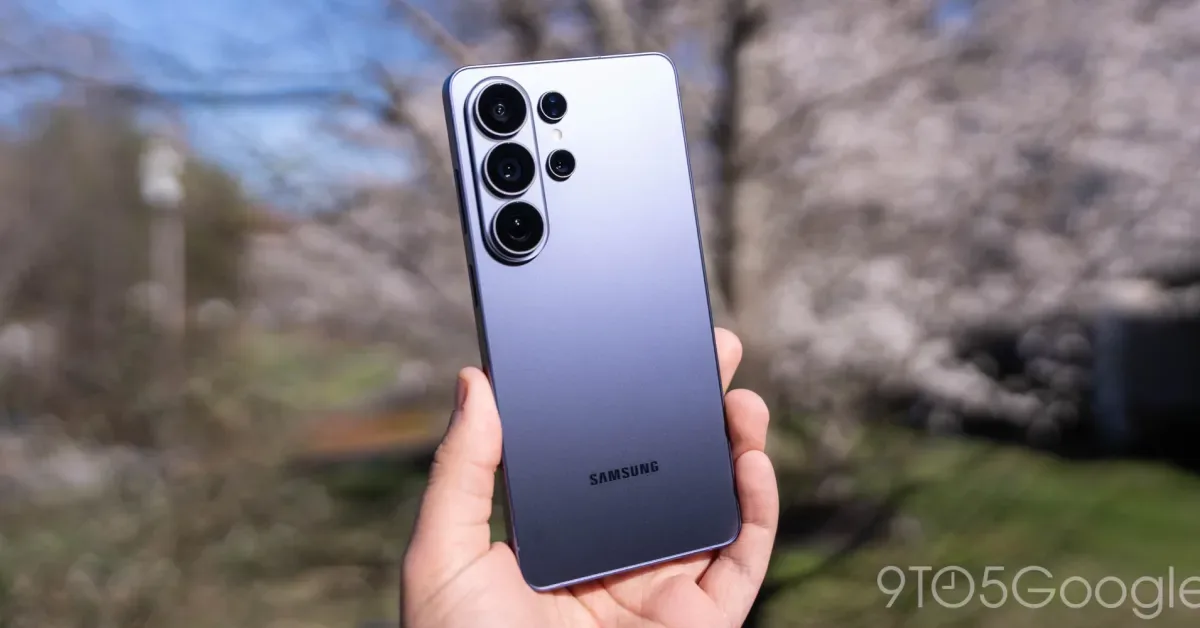
Photo: Lucas Gouveia / Android PoliceSource page
Seoul Economic Daily reported on Friday that Samsung’s mobile division has found Qualcomm’s Snapdragon 8 Elite Extreme Gen 6 overheating in tests for the Galaxy S27 Ultra. Koo Kyung-woo’s story, published at 10:57 and updated Saturday at 10:30, cited multiple people familiar with the matter. Internal tests showed chip temperatures repeatedly above threshold levels, and processing speeds falling under sustained heavy workloads. Samsung passed the results to Qualcomm last month and asked for a fix by the middle of October. As of the report, the chip had not reached the thermal stability Samsung requires. The two companies are still refining it and retesting. Mass production of the S27 series is set for late this year, the story said, so Samsung plans to read Qualcomm’s fixes by mid-month and then choose a processor. If the heat is not solved, the fallback the sources described is the Exynos 2700, designed by Samsung’s System LSI business and built on SF2P, the foundry’s second-generation 2-nanometer process. An Exynos chip in the Ultra would be the first since the Galaxy S22 Ultra sold in Europe in 2022. From the S23 Ultra in 2023, the line has used Qualcomm worldwide.
Qualcomm disputed the overheating account. In the updated Seoul Economic Daily story the company said the account was inaccurate, and that it is working closely with partners on its next flagship platform. Asif Iqbal Shaik at SamMobile, in an update timestamped 18:00 UTC+2 on Friday, quoted Don McGuire, Qualcomm’s executive vice president and chief marketing officer: the reports are “100% NOT accurate.” Sanuj Bhatia at Android Police, at 7:05 a.m. Eastern on Friday, followed the Seoul paper but wrote that Samsung had given Qualcomm until the end of October. The Korean story says the middle of the month. Samsung has not confirmed the test results, the deadline or a processor choice in any of these accounts.
A second version says the choice is already made
MoneyToday published a different ending. Kim Ahyoung and Kim Nami, at 8:00 a.m. on Friday, citing electronics-industry sources speaking on the 15th, reported that Samsung had reversed a decision to put the Exynos 2700 in the Galaxy S27 Ultra, and that the Ultra will use Snapdragon only. Their sequence: the phone was first developed on the premise of Snapdragon alone; errors in Qualcomm’s next chip, and Exynos 2700 performance that beat expectations, led Samsung to plan on using both; volume and cost then took the Exynos allocation for the Ultra back off. Output of the Exynos 2700 was more than 10 percent above the Exynos 2600, they wrote, and still short of what an extra Ultra run would need. A plan to put more Snapdragon chips in the standard and Plus models, and to move Exynos to the Ultra, raised worries about leftover parts. TrendForce, in their account, had smartphone LPDDR5X contract prices up 78 to 83 percent in the second quarter from the quarter before, with DRAM average selling prices estimated to rise another 8 to 13 percent in the third.
The Today, in a story Jeong Dae-min’s desk approved at 5:29 a.m. on Saturday, agrees with the test and not with a still-open decision. It says Samsung’s MX business verified Snapdragon 8 Elite Extreme Gen 6 prototypes for the Ultra, saw temperatures repeatedly over the allowed line, and saw clock speeds forced down under heavy load. Samsung sent the data to Qualcomm last month and asked for a thermal fix by mid-October. The standard was not fully met, and retesting continues. The paper then says the division’s final choice was the opposite of a switch to Exynos: Exynos 2700 and Snapdragon together on the base and Plus models, Snapdragon alone on the Ultra. The reason it gives is the cost of changing the top model while mobile DRAM prices are surging. It cites the same TrendForce range, 78 to 83 percent, and says changing the Ultra’s processor would mean scrapping parts already ordered and redesigning the board. Wafer output more than 10 percent above the previous Exynos, it adds, is still tight if the Ultra is included. Jeong also wrote that Chris Patrick, a Qualcomm senior vice president, said at last month’s Snapdragon Summit in Maui that the chip is made entirely on TSMC’s 2-nanometer process, and that Qualcomm’s offset package-on-package layout was meant to give the die more area to shed heat. That is The Today’s account of his remarks.
Seoul Economic Daily put a number on the bill either way. Samsung’s spending on mobile processors rose from 6.21 trillion won in 2021 to 13.83 trillion won last year, and the first half of this year alone was 7.44 trillion won. None of the outlets has a statement from Samsung confirming a chip, a deadline or a withdrawal. Qualcomm has answered the overheating claim and called it wrong. The reports that remain are industry sources, and they do not describe the same decision.