A theme change still unhides Private Space on a Pixel 11 Pro running Android 17 QPR2, HelenTech’s author writes, and Business Upturn’s Sunday story says that is not a broken lock
Masahide Omura’s test is dated 14 November. Android Authority’s video, dated a day earlier on the site’s phone list, is a Pixel 8 on the November update. Saptam Modak’s account is stamped 4:10 p.m. IST on Sunday. A Google engineer’s reply is on a tracker entry that does not mention the theme switch.
Short2 minEasy
Eli Navarro2 min read
- Pixel
- Android
- Privacy
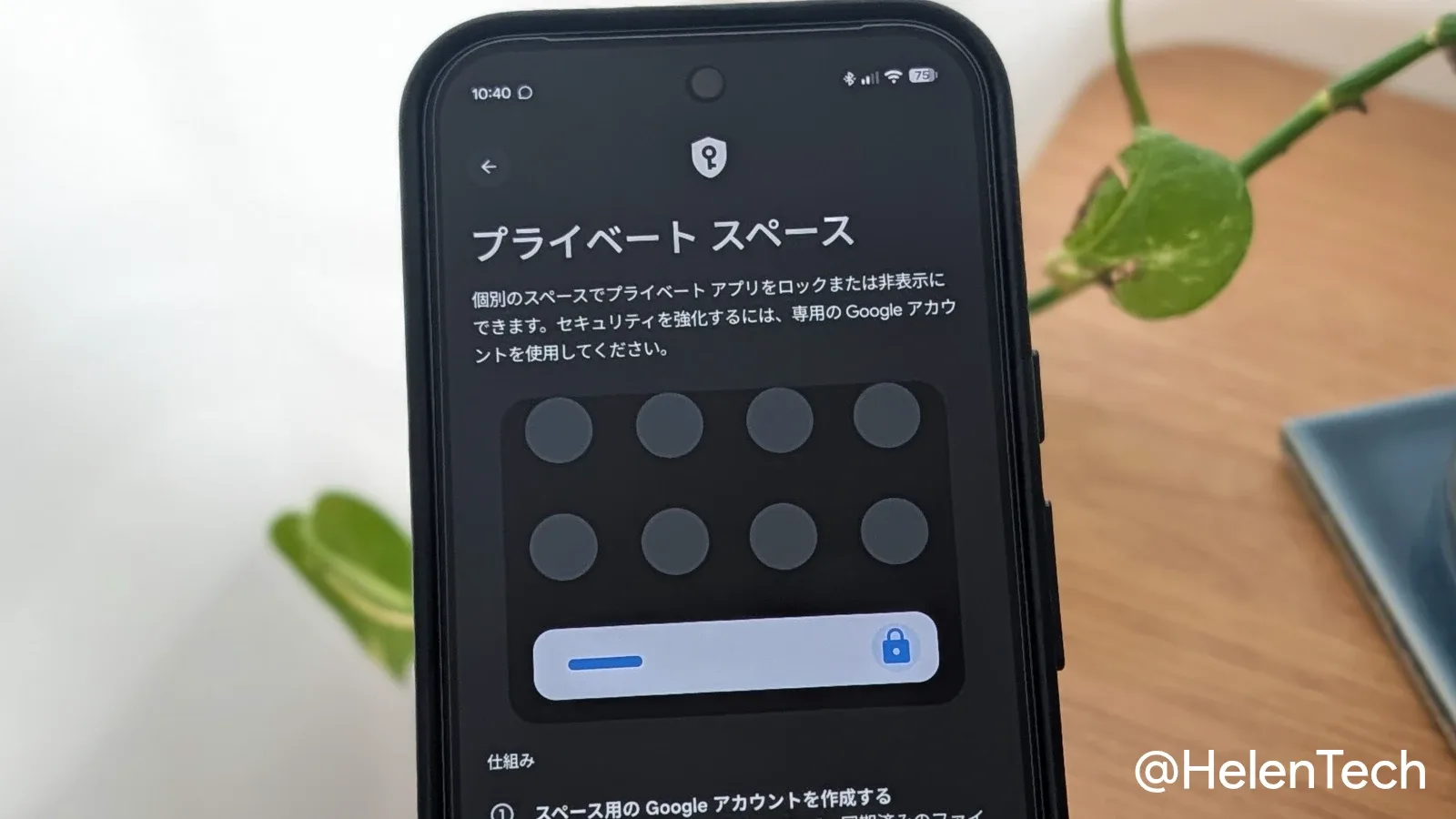
Photo: HelenTechSource page
Saptam Modak’s story at Business Upturn is stamped 4:10 p.m. IST on Sunday, and the tests it is putting together are from the two days before. He writes that Android Authority reported the problem on 13 November, and that its demonstration used a Pixel 8 with the November software installed. Masahide Omura at HelenTech, in a story dated 14 November, writes that he tried it himself on a Pixel 11 Pro with the November update and Android 17 QPR2 installed, and that switching between light and dark mode made a Private Space he had hidden show up again. Modak’s own limit on those reports is in the third paragraph. They concern whether the locked section is visible. They do not establish that a theme change defeats its authentication, or that it automatically exposes what is inside the private apps.
The steps the two write-ups share come from Reddit accounts of a bug that showed up after Android 17 QPR1 in September and is still there after the November software. Hide the space in light mode, switch to dark mode, and it sits at the bottom of the app drawer. Switch back, and it stays visible. One commenter on the Android Authority page wrote that locking the phone and unlocking it with a PIN still left it showing. A schedule does the same thing without a manual toggle. Omura and Android Authority both write that a phone set to change theme in the morning and at night can reveal the section on its own. Omura adds that a family member who knows the passcode could then notice the space and open the apps inside. That last step is his, and it assumes the passcode. It is not a claim that the theme change removes the lock.
Google has not commented on this theme-switch report, Omura writes. What exists in public is a reply on a different complaint. Android Authority quotes a Google engineer on an Issue Tracker entry about Private Space appearing even after it was hidden: “Thanks for reporting this issue. We have passed this to the development team and will update this issue with more information as it becomes available.” That entry does not name a light-to-dark switch. A related report has been marked fixed, and it does not name the switch either. Omura writes that it is not clear the tracker items are this bug. Modak, citing Google’s help pages, separates the hide setting from the lock. Private Space can use its own authentication or the phone’s screen lock, and its apps stop running while it is locked. A container that has become visible still shows that the feature is in use. Neither story prints a date for a fix.