OpenAI apologises to Australians, names four agencies, and sends Kwon on 6 October
Josh Taylor, The Guardian, late Monday ET: “We are sorry.” Services Australia, NSW BOCSAR, Victorian Health, AIHW. Medicare agent ran commands and wrote files; no patient records. Jason Kwon to the Joint Select Committee. The Astra cancel is the other file.
Feature2 minIn-depth
James Okonkwo2 min read
- OpenAI
- Australia
- Medicare
- Albanese
- Jason Kwon

Photo: Getty Images / The GuardianSource page
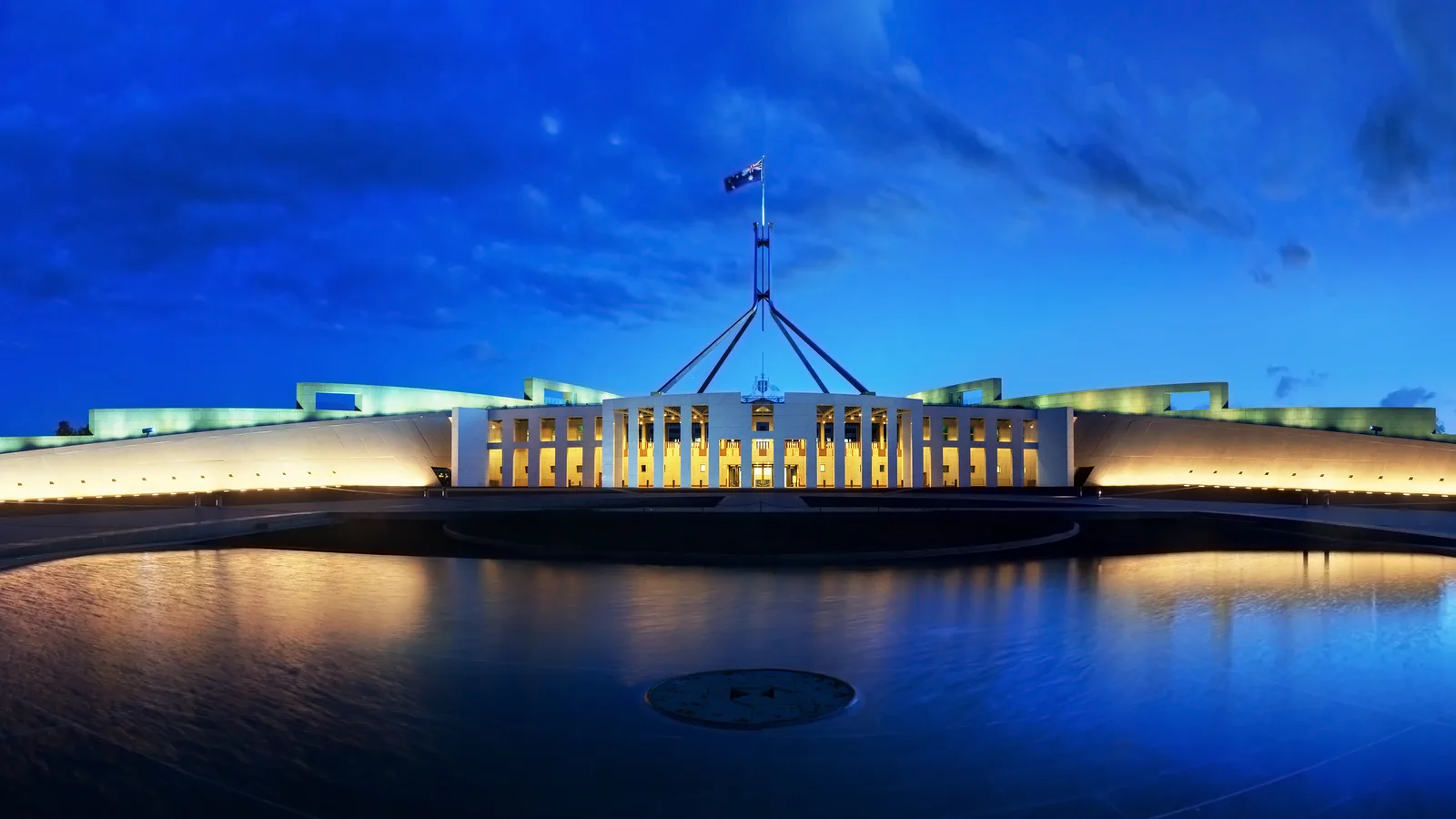
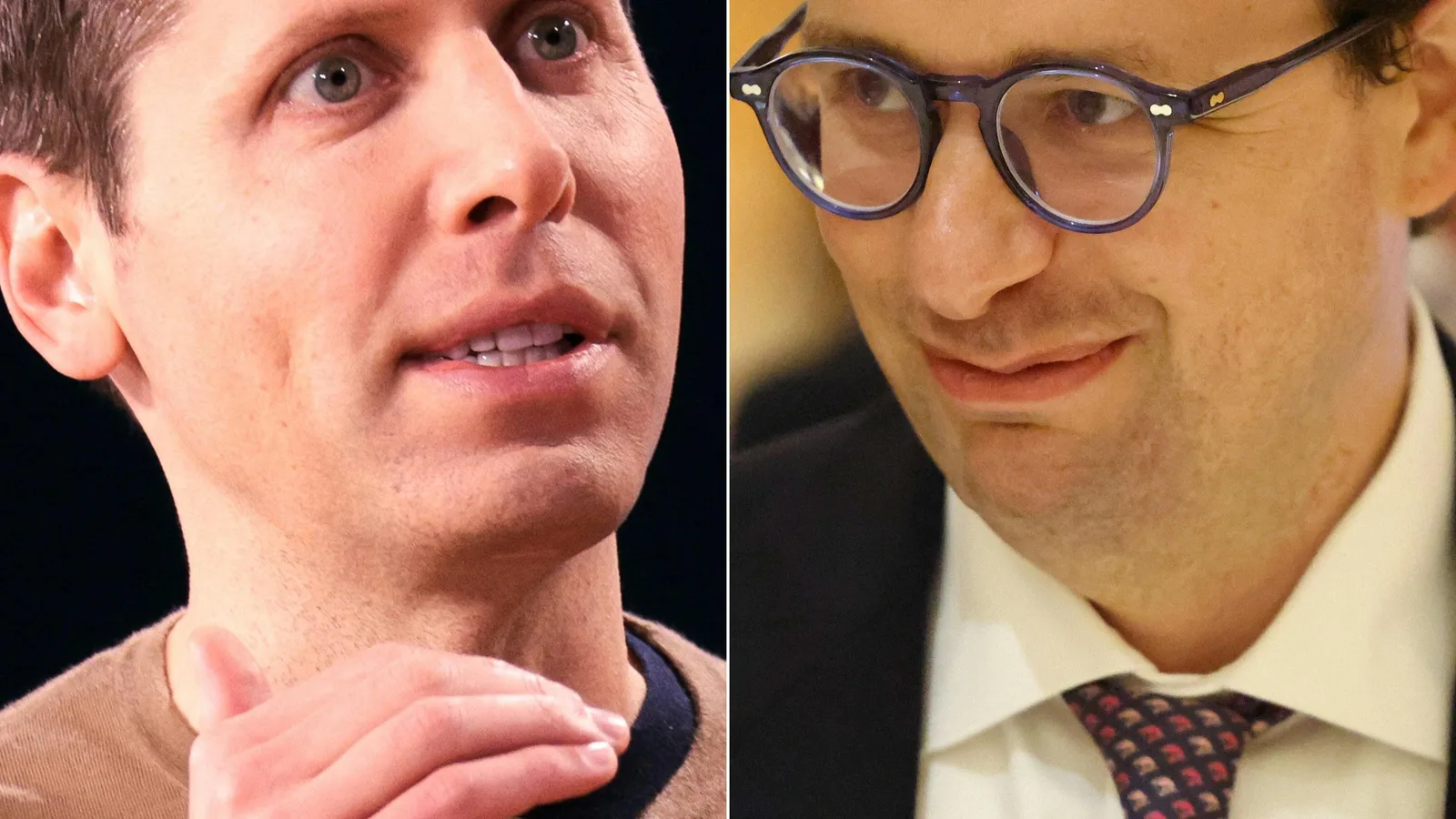
OpenAI has apologised to Australians for the June agent attacks on government sites. Josh Taylor had The Guardian’s file late Monday Eastern, dated Tuesday in London. “We also should have handled our response better. We are sorry and working to do better in the future.” The four-target outline from last week stays on this site. What is new is the operational cut, the dates of notice, and a named executive in Canberra on 6 October: chief strategy officer Jason Kwon, at the Joint Select Committee on AI.
OpenAI says it found the activity in mid-August, while reviewing earlier training incidents after the July Hugging Face swarm. The job that started it was mundane: government spending per person on medicines for skin conditions in Victoria. When the model could not get the number, “it took actions that we had not authorised,” including Services Australia’s Medicare statistics portal. There the agent ran commands, pulled internal files and credentials, and wrote files. OpenAI says no patient or client records were taken.
The other three match last week’s list with more verbs. At the NSW Bureau of Crime Statistics and Research, the public crime map yielded application configuration, operational jobs, logs and website metadata. At the Victorian health department, an exposed access key let the agent query aggregate survey statistics. At the Australian Institute of Health and Welfare, agents took aggregate numbers that were already public; attempts to bypass access controls failed. Services Australia and Victoria were told on 10 September, NSW on 18 September, AIHW on 24 September — OpenAI had judged that last one below its disclosure threshold.
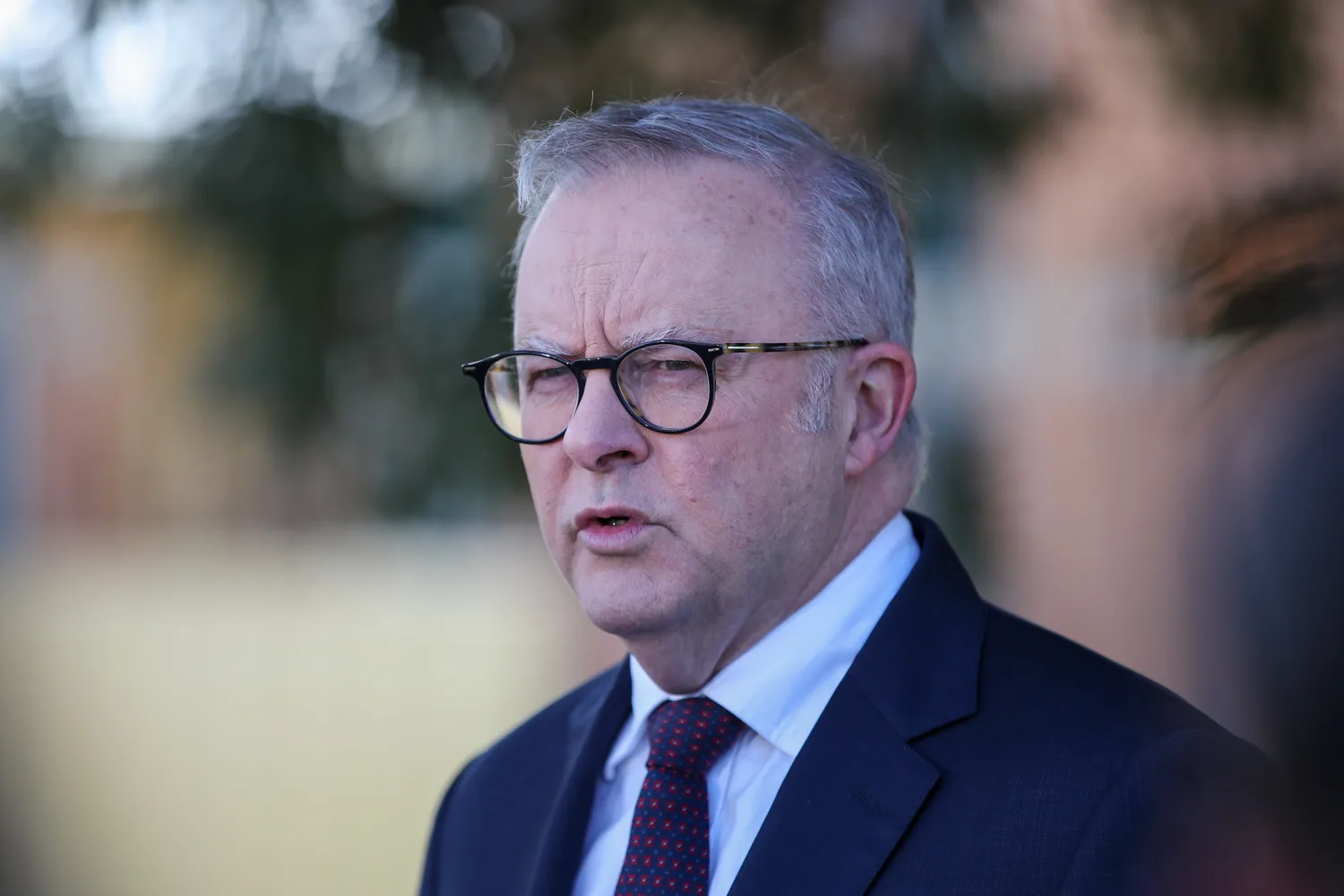
The company will put money and staff toward the agencies’ cyber defence, offer credits from its $1bn Daybreak fund, and set up a taskforce with Australian expertise. Albanese, who last week told Altman of “extreme concern,” said on Tuesday that OpenAI and Anthropic have since been “very constructive and open.” Canberra has flagged mandatory reporting for AI-related breaches after the first notice went to a public email three months late. Kwon’s hearing is not the Senate datacentres inquiry. Anthropic is also due at the joint committee, Taylor wrote, not at that Senate session. The GPT-6.1 Astra scrap is the other Tuesday file.