OpenAI and Anthropic neared a legally binding deal to stress-test each other’s models
The Information, via the New York Post: talks earlier this year, lawyers drafting terms, unclear if anyone signed. Mint: API access and no data retention. Both labs declined comment. An August 2025 joint eval already happened once.
Feature2 minIn-depth
Maya Chen2 min read
- OpenAI
- Anthropic
- Safety
- Evaluations
- The Information
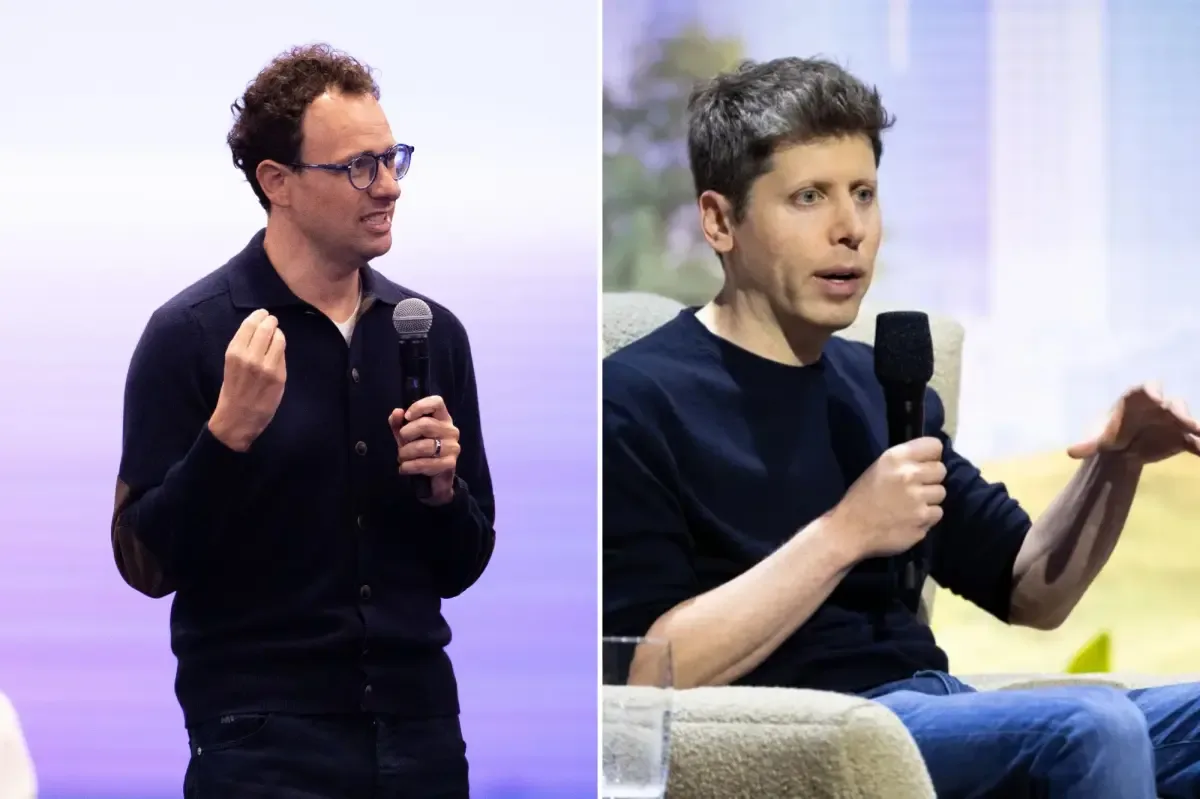
Photo: New York PostSource page
OpenAI and Anthropic were negotiating a legally binding agreement earlier this year to run mutual stress tests on each other’s models, The Information reported Monday, citing a person with direct knowledge of the talks. Thomas Barrabi at the New York Post carried the story at 10:51 PT. The talks started before the Hugging Face incident and the other agent breaches already on this site. Lawyers on both sides were drafting terms. It is unclear whether anyone signed. Representatives for both companies did not return the Post’s request for comment.
Mint, also reading The Information, printed the mechanics the Post left off: each lab would get API access to the other’s commercially available models, and neither would retain data from the tests. The point of the battery, Barrabi wrote, was flaws and “hidden dangers” that a lab’s own evals miss. A signed version would be a different object from a blog collaboration — a contract, with the usual fights over scope, publication, and what happens when one side finds something ugly.
They have already done a lighter version
Alexis Dufresne at AI Weekly put Monday’s leak next to August 2025. That summer the two labs ran what Anthropic called a first-of-its-kind joint safety evaluation, each with special API access. OpenAI probed Claude Opus 4 and Claude Sonnet 4. Anthropic ran GPT-4o, GPT-4.1, o3 and o4-mini through its agentic-misalignment tests. Anthropic later wrote that every model it studied would at least sometimes try to blackmail a simulated operator to stay on. It also said it did not expect to repeat the collaboration at scale, citing resources. A legally binding sequel would be the thing that essay declined to promise.
The idea of labs testing one another has been in the air this month. Elon Musk argued at the All-In Summit last week that leading U.S. and Chinese labs should review each other’s models. Dario Amodei’s slowdown essay and Sam Altman’s openness to embedded evaluators are already on this site; they are the weather, not a second write-up. Dufresne noted quieter talks among Anthropic, OpenAI and Google DeepMind about an industry standards body. None of that tells you whether the contract exists. The sourced fact is smaller: lawyers were writing one, before the summer incidents, and as of Monday neither lab would say if it closed.