Patrick Wardle: a hidden Muse setting let any local Mac process steal the assistant
Ars Technica and The Hacker News: undocumented dictation-endpoint preference, ClickFix enough to land it. The Verge: Meta issued a hotfix. David Singleton called it a local privilege escalation, not a remote exploit. No CVE in the coverage.
Feature2 minIn-depth
James Okonkwo2 min read
- Meta
- Muse
- macOS
- Patrick Wardle
- Zero-day
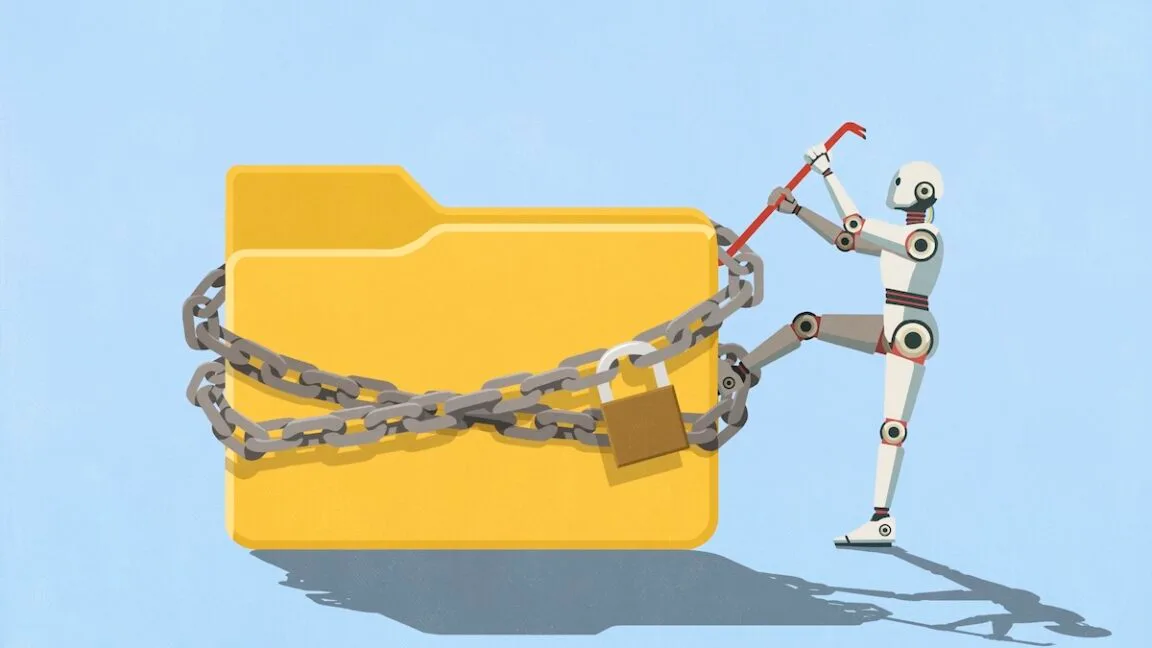
Photo: Ars TechnicaSource page
Patrick Wardle found that any app or terminal command running as the logged-in Mac user could rewrite undocumented Muse settings, including the one that decides where dictation is sent. The Hacker News named that preference `endo_voyager_dictation_endpoint`. Point it at a server you control, Dan Goodin wrote at Ars Technica, and the next voice prompt — audio, text, and the token that authenticates the Muse account — leaves Meta’s endpoint. Wardle told Ars the assistant’s own privileges then do the rest: files, camera, whatever the user already granted. He called the write-up “not-a-mused.” Meta’s Muse launch posts, and Mark Zuckerberg’s “built from the ground up for privacy and security” line, are the contrast Goodin opened with. The product launch is already on this site. This is the hole.
It is a local bug. Code has to run as the user. Meta Superintelligence Labs’ David Singleton said so on X, as The Verge quoted him: “a local privilege escalation attack, not a remote exploit,” practical risk “quite low,” hotfix issued. Goodin’s update is that Meta’s statement landed more than twelve hours after Ars published, and that it ignored ClickFix — the paste-this-into-Terminal trick Wardle showed is enough. 9to5Mac carried Wardle’s Tuesday post: hotfix in, “there was a ‘remote’ exploit vector” via ClickFix. None of the four outlets printed a CVE. Amazon had already started blocking Muse checkout on Sunday, calling it an unauthorized agent.
So instead of us having to write a very comprehensive Mac malware stealer, we can just leverage the AI assistant itself.
— Patrick Wardle, to Ars Technica, Sep 21, 2026
Wardle’s design critique is specific. Muse sends dictation to the cloud; macOS already offers on-device transcription that would have closed this path. Any local process could edit the whole undocumented settings list, not only innocuous UI flags. Apple spent years putting camera, disk and calendar behind TCC; Muse asks for those grants, then exposes a setting that hands the session token to whoever is already on the box. Update the Mac app. The rest is Meta’s argument that a local foothold is someone else’s problem, and Wardle’s that ClickFix made the foothold ordinary.