Claude’s Personal Finance beta reads US bank accounts through Plaid, and cannot move the money
Anthropic’s Thursday post starts a US beta for Pro, Max, and Ultra. The help center says Claude can see balances, credit limits, and 24 months of transactions, not holdings or loan terms, and that hub chats are not used for training. A user can link 16 banks. Free, Team, and Enterprise plans are out.
Feature4 minIn-depth
Maya Chen4 min read
- Anthropic
- Claude
- Plaid
- Personal finance

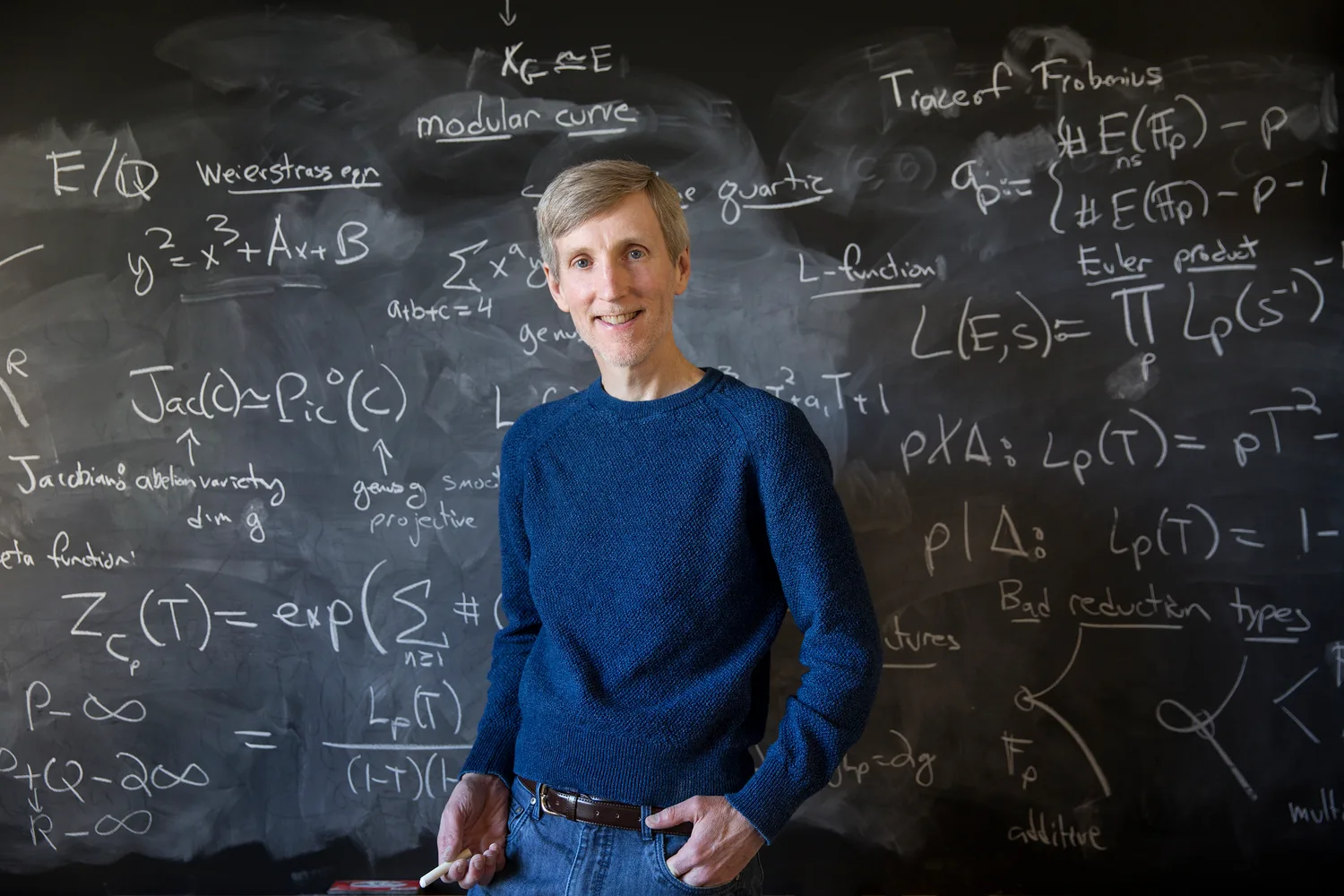
Photo: AnthropicSource page
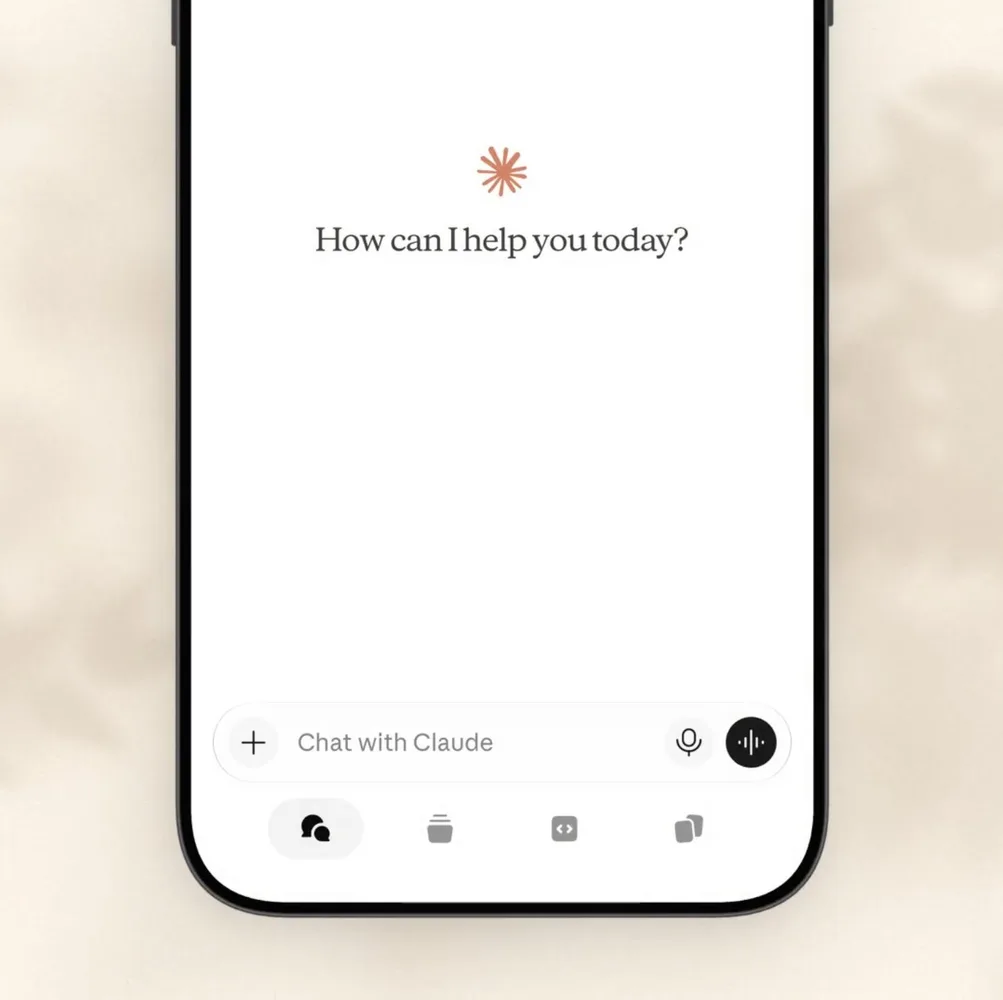
Anthropic on Thursday started a US beta of Personal Finance in Claude, a screen where a person connects bank, card, loan, and investment accounts through Plaid and asks questions about the balances and transactions those links return. The product post says the rollout is for Pro, Max, and Ultra, that access is read-only, and that the feature cannot move, manage, or invest money. It also says Personal Finance is not designed to give investment advice, and that Claude can be wrong, so a user should ask which transactions sit behind a figure and check important numbers with the bank. Aisha Malik’s TechCrunch story is timestamped 10:00 a.m. Pacific on Thursday. The Verge’s is 6:00 p.m. UTC.
The help center, updated Friday, is more specific than the launch post about what “read” means. For accounts the user chooses to share, Claude can see the bank’s name, the account name, type, and last four digits, balances and credit limits, and up to 24 months of transactions, including amount, date, merchant, category, and the bank’s own description. Plaid is supposed to pass only the last few digits of an account number, usually four. The help center says that if a bank writes a full number into an account name or a transaction description, Claude may see it there. On investments, loans, and cards, it reads balances and credit limits, not holdings, trades, rates, or terms, even if Plaid’s own screens ask permission to share that wider set. The launch post’s phrase is “up to two years of transactions,” which matches the 24 months.
A person signs in at the bank through Plaid. Anthropic says Claude does not ask for or see the bank password. Chats inside the Personal Finance hub are not used to train Anthropic’s models. Anything shared with Claude outside the hub follows the account’s ordinary privacy settings. Unlinking a bank stops further reads. What Claude already wrote stays in the chat, and in any artifact or shared link, until the user removes those. The help center says a shared chat link shows the messages, including figures from the accounts. A user can link up to 16 banks, US banks only. Outside the US, or on a VPN that appears to be somewhere else, the help center says the menu item does not appear until the user is back, and the banks stay linked in the meantime.
Where it does not run
The beta is on Claude’s site, the desktop app, iOS, and Android. It is not on Free, Team, or Enterprise. The help center says the rollout is gradual. It also says Claude cannot use the linked accounts in scheduled tasks, Cowork, or Claude Code, may not be able to use them in a project, and that Personal Finance is not available in Claude Duet. Moving an account to a Team or Enterprise organization unlinks the banks. If a paid plan ends, the user cannot open the screen and Claude cannot read the accounts in chat, but the banks stay linked until the user unlinks them. Data exports do not yet include the saved dashboard.
The launch post walks through an example rather than a measured account: a question about where the money went this month comes back as $4,309.37, with more than half in rent and utilities and $1,024.51 in food and drink, and a later line of $1,393.22 left before payday. Those are the figures in Anthropic’s illustration. The help center warns that a live answer can disagree with the bank. Balances can be a day or two old. An account linked through two logins can be counted twice if the bank presents it differently each time. While Claude cannot read a bank, that bank drops out of the spending figures, so a budget can show more money left than the person has.
Plaid’s own post, by chief technology officer Will Robinson and dated 5 November, says personal finance is among the most common subjects people already bring to Claude, and that its research finds 69 percent of US consumers are willing to share personal information with AI in financial services when they see a clear benefit. It also says that in the US, nearly two-thirds of people who connect a bank to an AI assistant through Plaid had never used a Plaid-powered personal-finance app. Those are Plaid’s figures. The Verge notes that the Anthropic beta follows a ChatGPT feature, introduced in May, that also connects accounts through Plaid. Anthropic’s post says the beta is a first step, and that for larger money decisions it wants Claude beside licensed professionals and regulated firms. It asks banks, wealth managers, and financial-services companies to talk to it. It does not name a partner or a date.