Apple is designing M8 Ultra AI servers — and has talked to Nvidia about NVLink Fusion
The Information: two- and four-chip enterprise boxes for developers, businesses and governments, not before 2029, and still cancellable. Hardware chief John Ternus is said to be in favour.
Feature1 minEasy
Eli Navarro1 min read
- Apple
- Nvidia
- M8 Ultra
- Servers
- NVLink
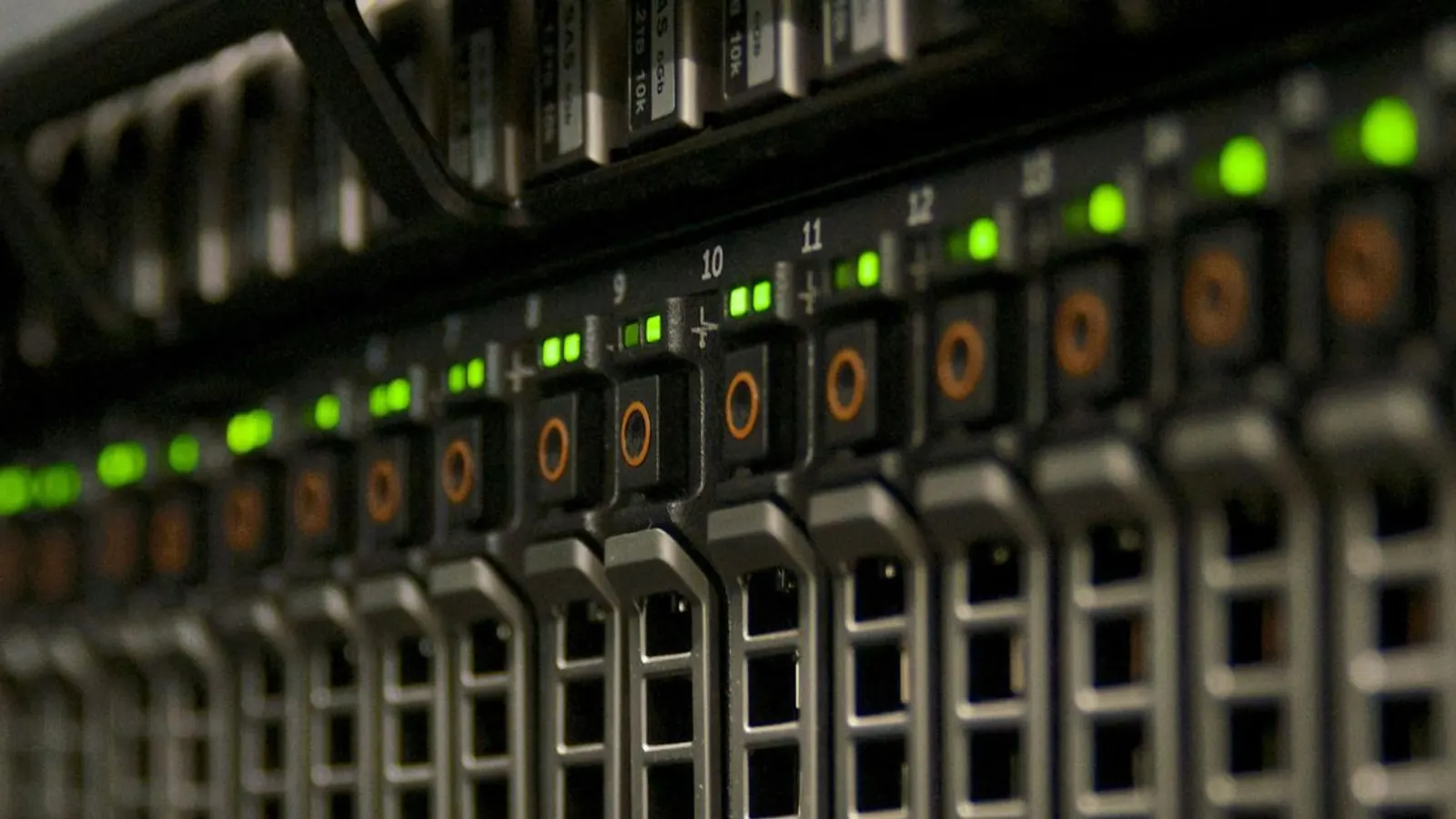
Photo: 9to5MacSource page
Apple has been developing an enterprise AI inference server that it would sell, not only run internally, and has discussed using Nvidia’s NVLink Fusion networking gear to wire the chips together, The Information reported on Wednesday. Reuters and 9to5Mac carried the story. The machines under consideration would come in two sizes: a smaller box with two of Apple’s planned M8 Ultra processors clustered together, and a larger one with four. Buyers, people familiar with the plans told The Information, would include AI developers, other businesses and governments. The product is not expected before 2029. Plans are not final, and the project could still be cancelled.
NVLink Fusion is Nvidia’s kit of switches, chiplets and software for getting chips talking to each other in a data centre. Apple using it would be a notable hitch: the company has spent a decade pulling its Macs and phones onto its own silicon, and a return to selling servers would put those chips next to Nvidia’s interconnect rather than only inside a Mac Studio on someone’s desk. 9to5Mac, citing The Information, said Apple has been on the project for about a year and that hardware chief John Ternus is in favour.
A 2029 inference box is not a 2026 phone. It does, however, sit next to the aisle Apple already occupies: clusters of Mac Studios that labs already use to run models locally. 9to5Mac’s read is that the market exists and the only question is whether Cupertino treats it as a product. Until Apple comments, it is a report about talks and a chip that has not shipped. Nvidia did not need to be in the building for Apple to sell a server; the NVLink conversation is the part that would make the box look like a data-centre machine rather than a very large Mac.