Apple’s Home Hub will switch users with AI faces, not Face ID
William Gallagher, AppleInsider, 1 October, 11:47 a.m. ET, from Bloomberg’s Power On: household switching by AI facial recognition. Launch expected 13 October, held for improved Siri. Press-Insider’s Bloomberg read adds a HomePod mini refresh and a faster Apple TV 4K around the same LLM Siri frame.
Feature1 minEasy
Eli Navarro1 min read
- Apple
- Home Hub
- Siri
- Smart home
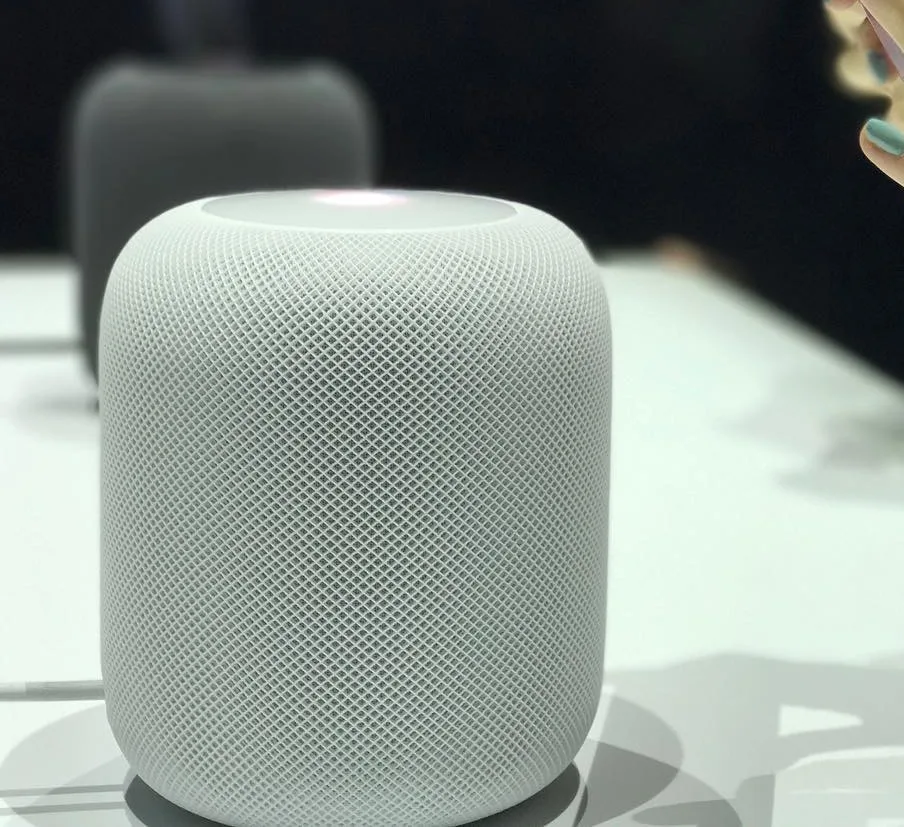
Photo: Nobuyuki Hayashi / Wikimedia CommonsCC BY 2.0
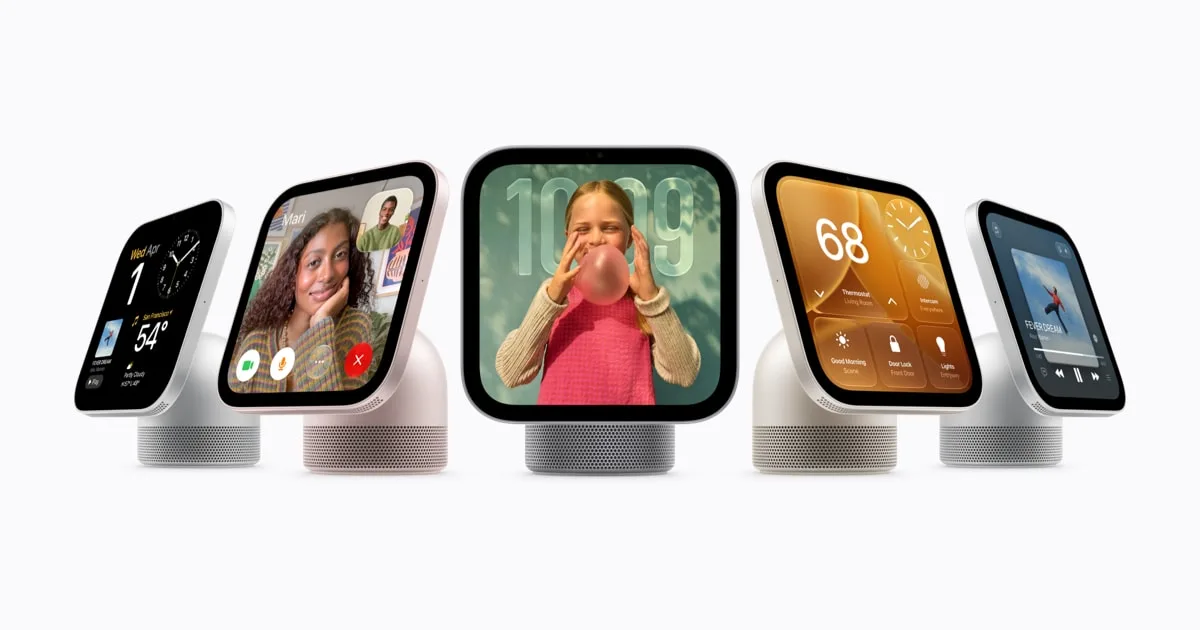
Apple’s kitchen display is still expected to know which person in the house is standing in front of it. It will not do that with Face ID. William Gallagher at AppleInsider, 11:47 a.m. Eastern on 1 October, reported the distinction from Bloomberg’s Power On podcast. The Home Hub — a HomePod with a screen, in the usual shorthand — is now expected on 13 October 2026. It will switch photos, music and calendar to the person using it. Proximity to an iPhone is still part of the guess. Facial recognition is too. It is not the phone’s Face ID stack. Bloomberg, Gallagher wrote, called the substitute only “highly technical.” He floated a link to the same face-matching future Home security cameras might use: watch the room, identify when someone actually talks to the device. That is extrapolation, and he labelled it as such.
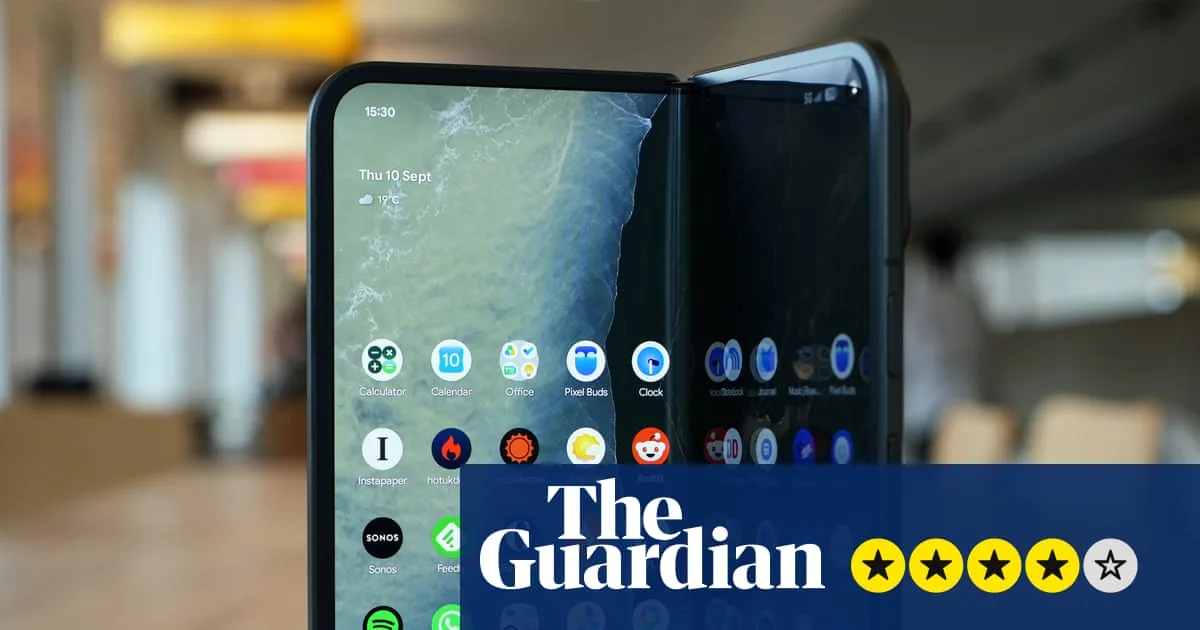
The same podcast repeat: the hardware has been built and ready for some time, and the launch sat on the improved Siri. Beatrice Rossi at Press-Insider, also 1 October, read Bloomberg as a three-product day — the countertop hub, the first HomePod mini refresh since 2020, and a faster Apple TV 4K — all as a stage for an LLM Siri that runs on-device and in the cloud. Her file is more specific than Gallagher’s, and more speculative: a roughly six-inch square display on a tilt arm, USB-C power, no battery, no volume or power buttons, a wall-mount sibling, visitor privacy mode, iPhone fallback authentication. Treat those as Press-Insider’s Bloomberg read, not as an Apple spec sheet. For Android households the comparison is the obvious one. Google already ships camera face-matching on Nest displays. Rossi’s argument is that Google has let that line sit while the Pixel Tablet tried to be both slate and hub. Apple is late to a category Nest defined. The new claim is narrower: user switching without Face ID, on a date the leaks now print as 13 October.