DC Circuit says the Pentagon barred Claude over a contract term, not speech
Katsas and Rao, 2–1, with Henderson dissenting: exclusion under the supply-chain statute followed Anthropic’s refusal of “all lawful uses.” California’s summer block of a parallel designation still stands. Claude stays out of Pentagon systems and DoD contractor work.
Feature3 minIn-depth
Priya Shah3 min read
- Anthropic
- Pentagon
- DC Circuit
- First Amendment
- Claude
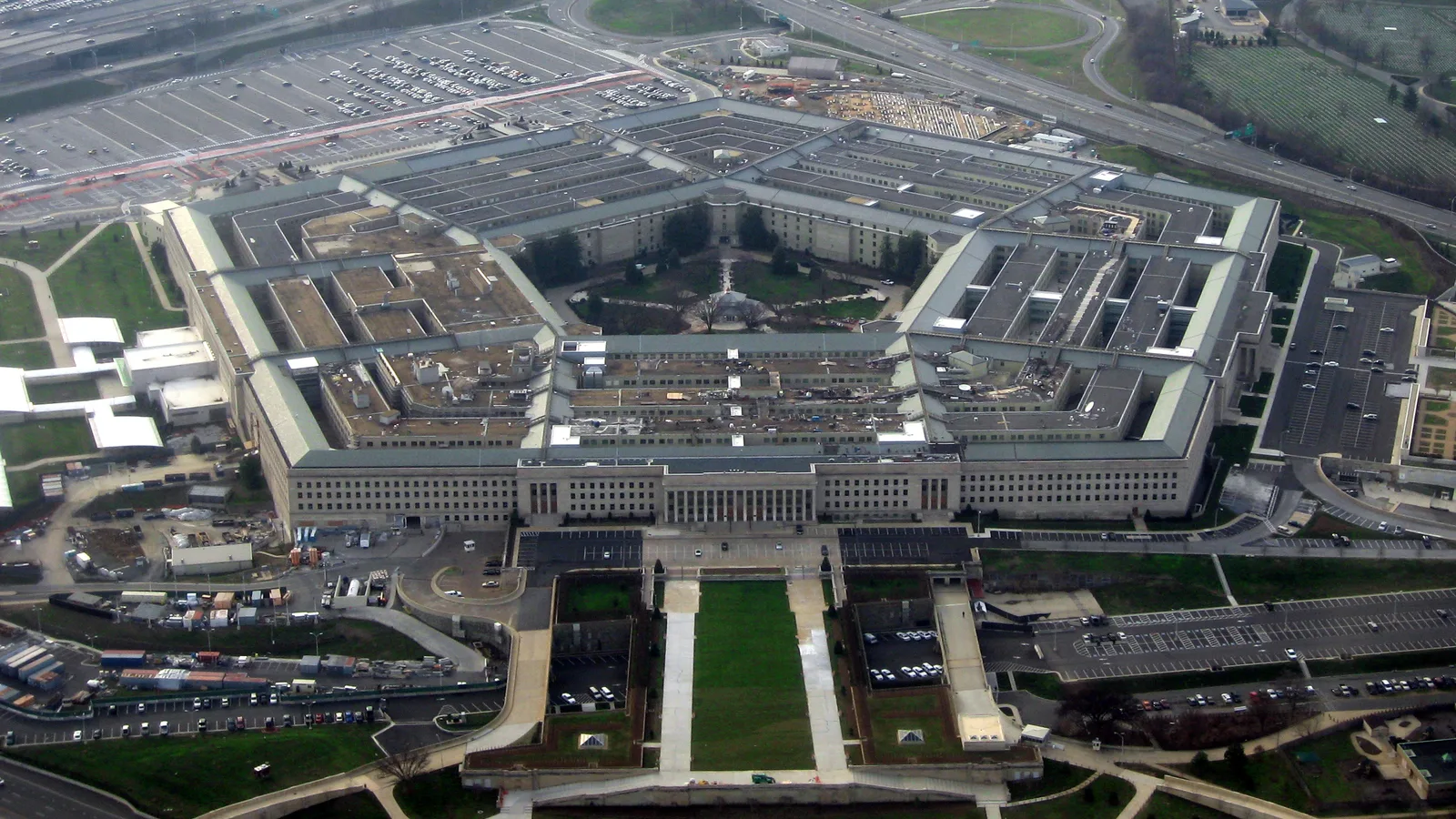
Photo: David B. Gleason / Wikimedia CommonsCC BY-SA 2.0
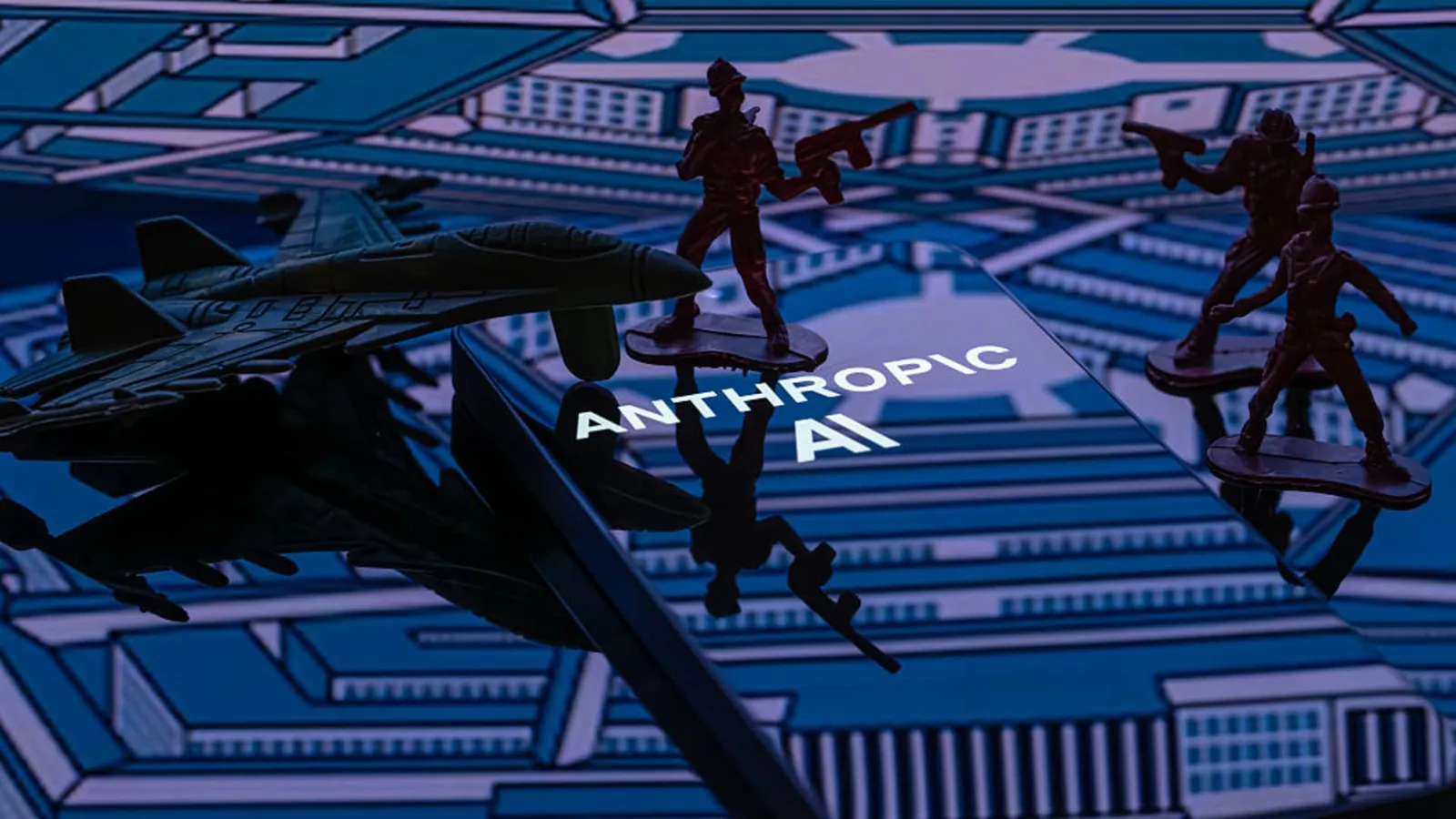
The legal fight over whether the Pentagon can keep Claude off its networks is now about a contract clause, not a speech claim. On Friday a DC Circuit panel, 2–1, upheld the Department of Defense — styled in the opinion as the Department of War — designation of Anthropic as a supply-chain risk under the Federal Acquisition Supply Chain Security Act, 41 U.S.C. §4713. Ashley Capoot had the vote for CNBC. Circuit Judges Gregory Katsas and Neomi Rao formed the majority. Circuit Judge Karen LeCraft Henderson dissented. The Friday news of the vote is already on this site. The opinion, excerpted by Eugene Volokh on the Volokh Conspiracy, is the evening file: why the judges said the First Amendment does not get Claude back in.
The designation keeps Claude out of Pentagon systems and bars defense contractors from using Anthropic models on department work. It does not wipe the California track. A San Francisco federal judge last month struck a parallel, government-wide designation. Non-military federal agencies can still run Claude. Friday’s DC ruling does not overturn that order. Two statutes, two courts, a split that is still live.
The Department had ample support for its conclusion that the continued integration of Claude into the Department’s information systems, by the Department or its contractors, presented a statutorily covered national-security risk.
— Circuit Judge Gregory Katsas, DC Circuit, Sep 25, 2026, via CNBC
The clause the company would not sign
Talks broke on a single term. The department wanted “all lawful uses” — unfettered access for every lawful military purpose. Anthropic would not give that. Its red lines, Capoot wrote, were lethal autonomous weapons and domestic mass surveillance of US persons. Defense Secretary Pete Hegseth called the refusal an attempt to seize “veto power over the operational decisions of the United States military.” Anthropic had signed a $200 million Pentagon AI contract in July 2025. Deployment talks for GenAI.mil collapsed that autumn.
Katsas walked the dates. Anthropic has advertised use restrictions since it was founded. The department still put the company on the 2025 contract and kept talking. Dario Amodei published a long January 2026 essay calling for limits on AI-powered weapons. Negotiations continued. On February 24 Hegseth met Amodei and set a February 27 deadline for the all-lawful-uses term. On February 26 Amodei refused in public. On February 27 the secretary announced an exclusion. On March 3 he signed the written determination the statute requires.
The record makes clear that the Department removed Anthropic from its supply chain not because of its advocacy, but because Anthropic refused to agree to a contract term the Department deemed essential to national security.
— Katsas, joined by Rao, Anthropic PBC v. U.S. Department of War, Sep 25, 2026, via Volokh Conspiracy
The majority accepted that safety advocacy is protected speech and that exclusion is a materially adverse act. It found no causation. Hegseth’s February 27 social post — “sanctimonious rhetoric,” “virtue-signaling,” “Silicon Valley ideology” — still pointed, Katsas wrote, at the missing contract term. “The First Amendment did not require the Department to continue a contractual relationship that it viewed as creating a national-security risk.” Henderson did not reach the speech question. She said the action was not authorised by the statute.
An Anthropic spokesperson told CNBC the company “respectfully disagree[s]” and is “considering all options, including further review.” The panel stayed the mandate so Anthropic can ask the same three judges for a rehearing, seek en banc review by the full DC Circuit, or petition the Supreme Court. Until one of those lands, Claude stays off Pentagon work. Civilian agencies that won in California keep the other half of the map.