Anthropic gives six METR researchers employee-level access, and says it cannot veto their reports
Anthropic, Thursday: six METR employees now have company hardware, office space and internal tools roughly on par with its own risk teams. METR publishes. Anthropic can require only narrow redactions, and cannot veto. SecureBio is on a narrower tier. Accenture and Faculty are in an earlier partnership. CNBC: Anthropic is not funding METR’s work.
Feature3 minIn-depth
Priya Shah3 min read
- Anthropic
- METR
- Evaluators
- Safety
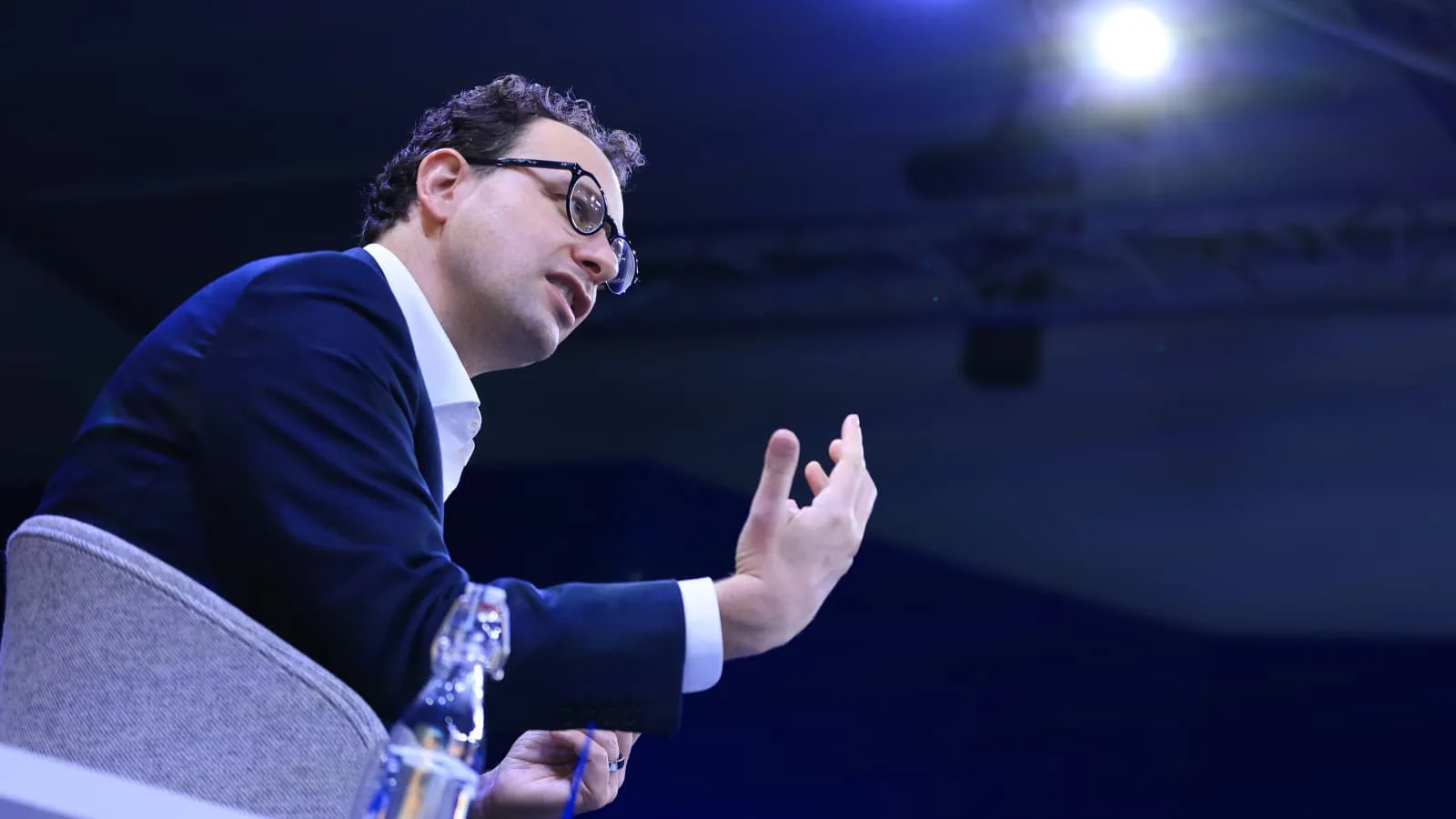
Photo: Krisztian Bocsi / Bloomberg / Getty ImagesSource page
Anthropic on Thursday said it has onboarded six employees of METR with company hardware, office space, and access to internal tools and systems roughly on par with what its own risk-assessment teams use. METR, the nonprofit that evaluates frontier models, will publish its analysis of Anthropic’s risk levels, incidents and practices. Anthropic said it cannot veto publication. It can require redactions only when material falls into narrow, predefined categories — customer data, attorney-client privileged information, and information about model architectures — and METR may say publicly whether it believes a redaction was justified, so long as it does not reveal what was redacted. Ashley Capoot at CNBC reported that Anthropic is not funding METR’s work.
Aditya Mehta at TechCrunch, in a story timestamped 12:14 p.m. Pacific, reported the arrangement from Anthropic’s post. Outside those excluded categories, Anthropic said, its employees are encouraged to share information with the six “just as they would with a fellow employee working on alignment risk.” The engagement is limited to that small team, under enforceable agreements. Other METR employees are siloed from the team’s work, including researchers who already work with Anthropic on other projects. Anthropic compared the setup to bank supervision, in which regulators place resident examiners inside the largest banks, and wrote that the analogy is not exact. In the post it said: “We want to be publicly accountable for the decisions we’re making.” It also said it aims “to close the gap between what evaluators understand about a frontier AI company’s systems and what the company itself understands.”
Three tiers, and who is on which
METR is the only evaluator Anthropic has placed at the top of a three-tier system it says it is building. In the first tier, evaluators run narrowly scoped risk investigations. Anthropic decides what they see, and they publish with the company’s approval. In the second, they see more and can publish without approval. Anthropic can still require removal of specific categories of information, and the evaluators can publish their view of whether a redaction was justified. The third tier is the METR arrangement: employee-like access, with publication rights like the second tier. Anthropic said it hopes, over time, to have several evaluators at that third tier, each publishing its own analysis.
SecureBio is in the first tier. It is reviewing the chemical and biological weapons chapter of the risk report Anthropic released in August, after completing and publishing a pilot review of the previous report. Anthropic said that once this review is finished it will consider projects with more access. A footnote on the post, updated Thursday, says that clarification is about SecureBio’s current project terms. The company is also “working toward an ambitious partnership” with Accenture and Faculty that would include evaluating and red-teaming models, alignment assessments, tests of safeguards, and building capabilities across the organizations. Capoot reported that Anthropic did not say where Accenture sits in the tiers. Anthropic said it is in early discussions with several other organizations, including Hugging Face, and that those earlier partnerships get more limited information and more limited publication rights while Anthropic checks that they can protect confidential material. The post closes with a line TechCrunch and CNBC both carried: “We’re embedding evaluators voluntarily, and we believe every frontier AI company should do the same.”
Anthropic tied the announcement to a commitment it said it made last month, and to the White House Accord on Super Intelligence, which it said it signed, and in which companies pledged to partner with independent external auditors or evaluators. Capoot wrote that chief executive Dario Amodei, in the essay he published last month proposing a slower pace of model development, said outside evaluators would help “verify” Anthropic’s adherence to its safety practices. TechCrunch described Thursday’s post as the company making good on that essay’s proposal to embed outside evaluators inside labs.